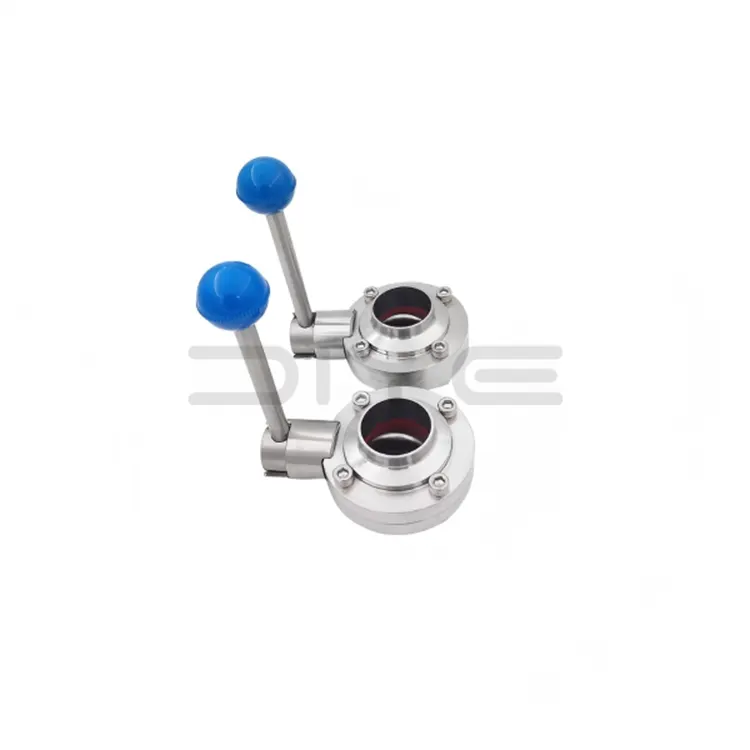
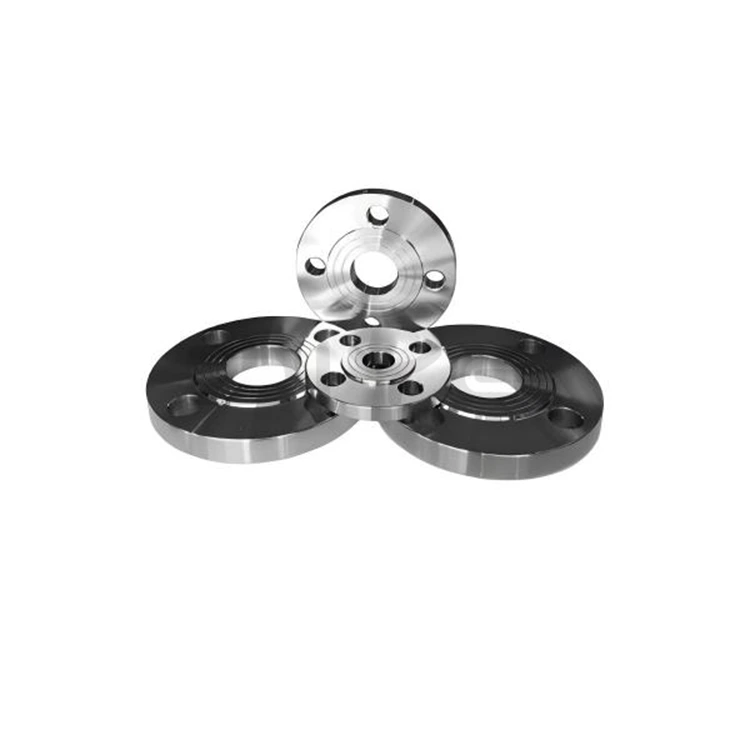
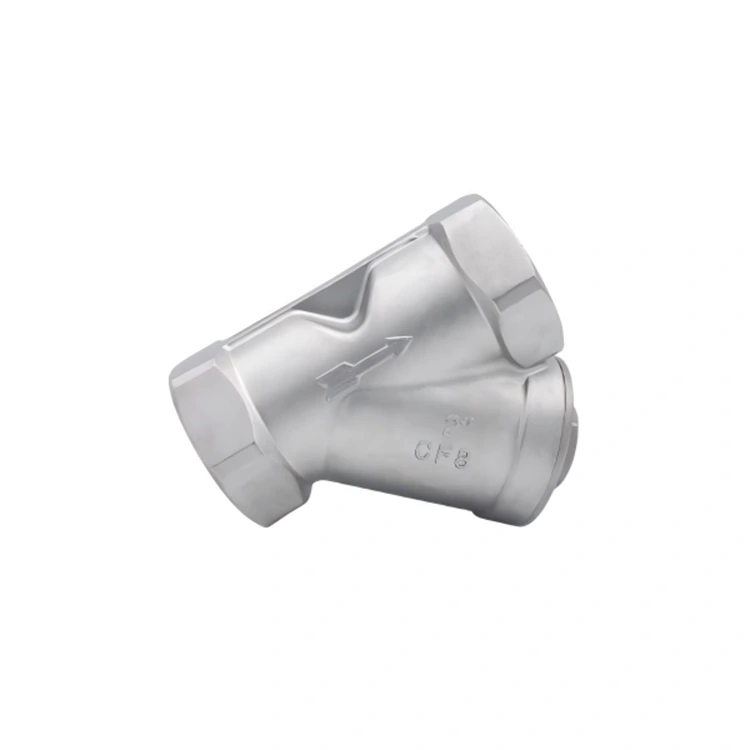
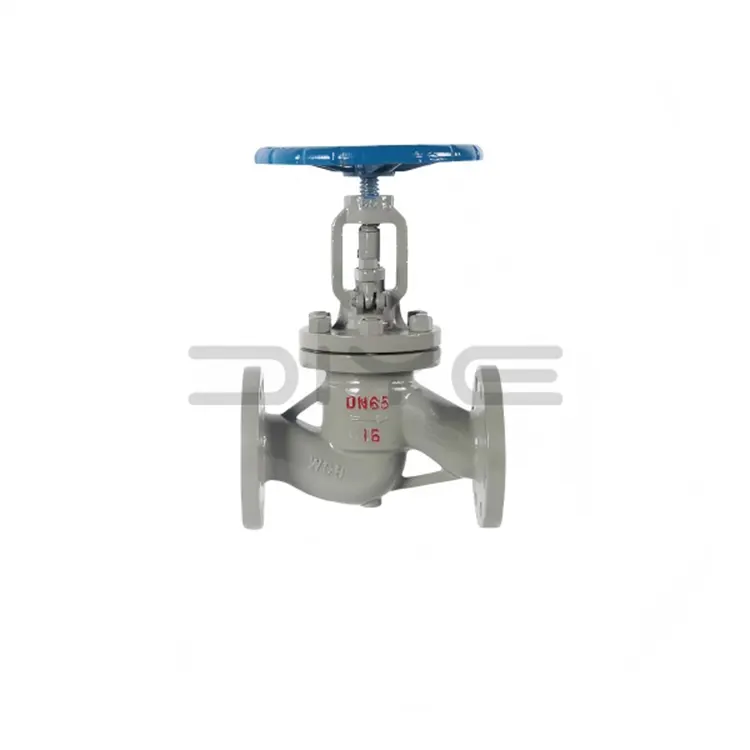
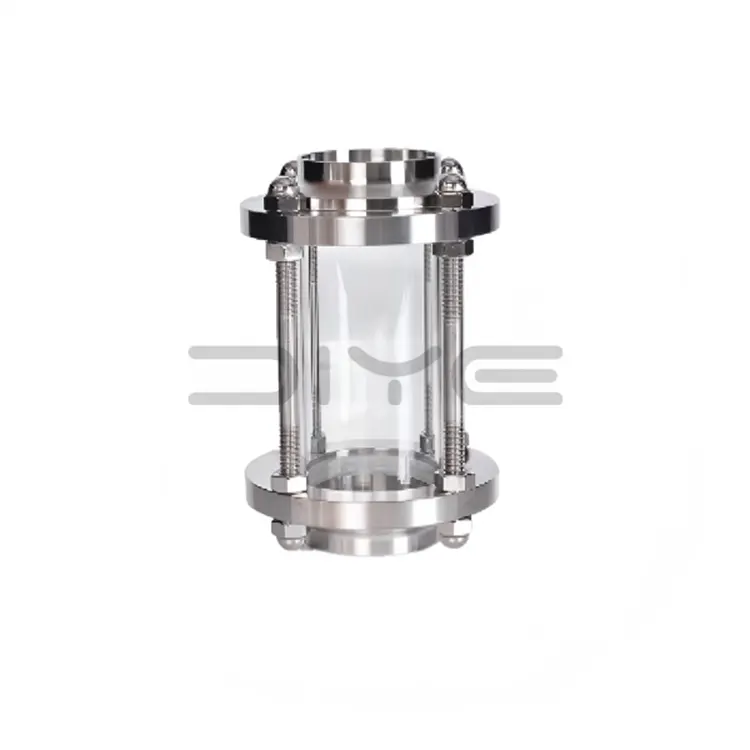
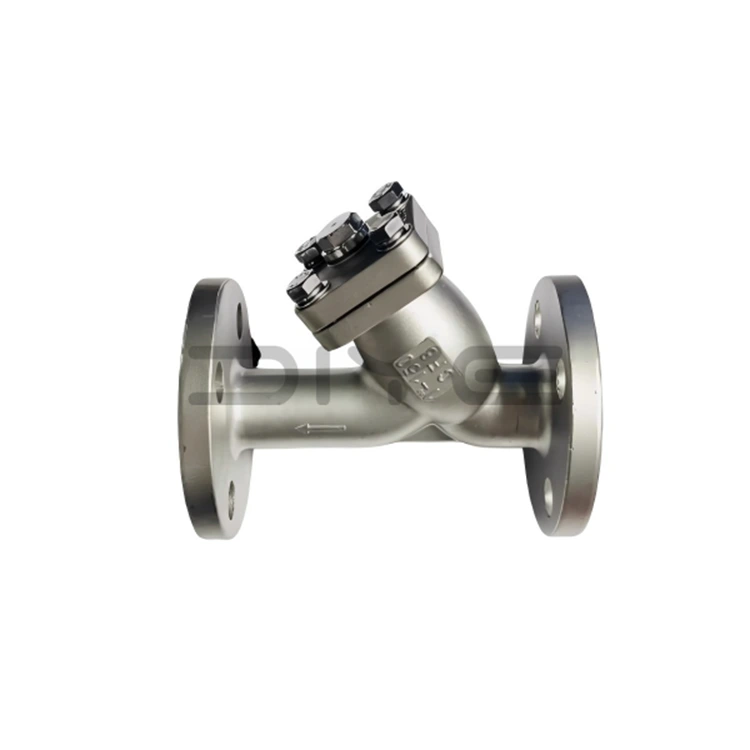
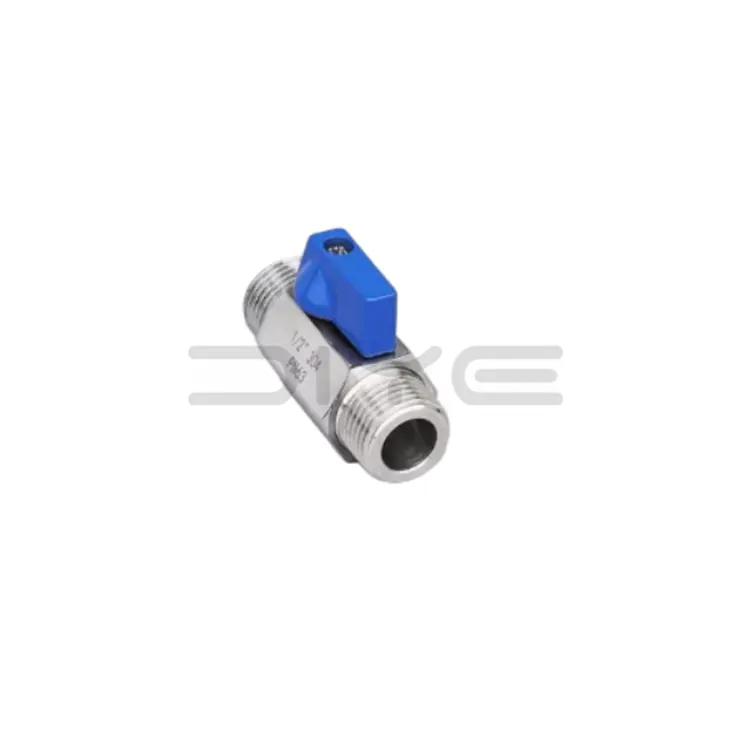
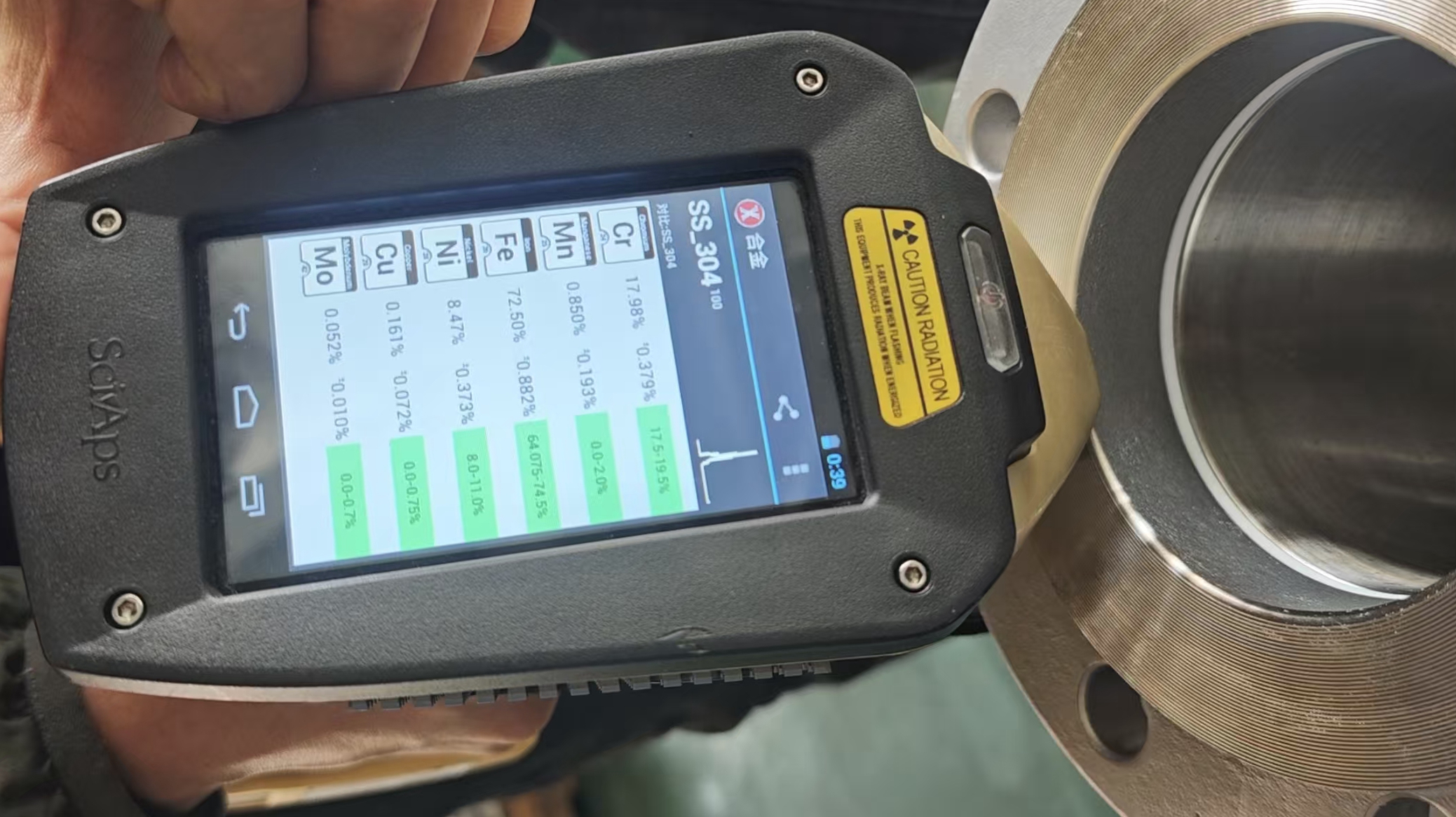
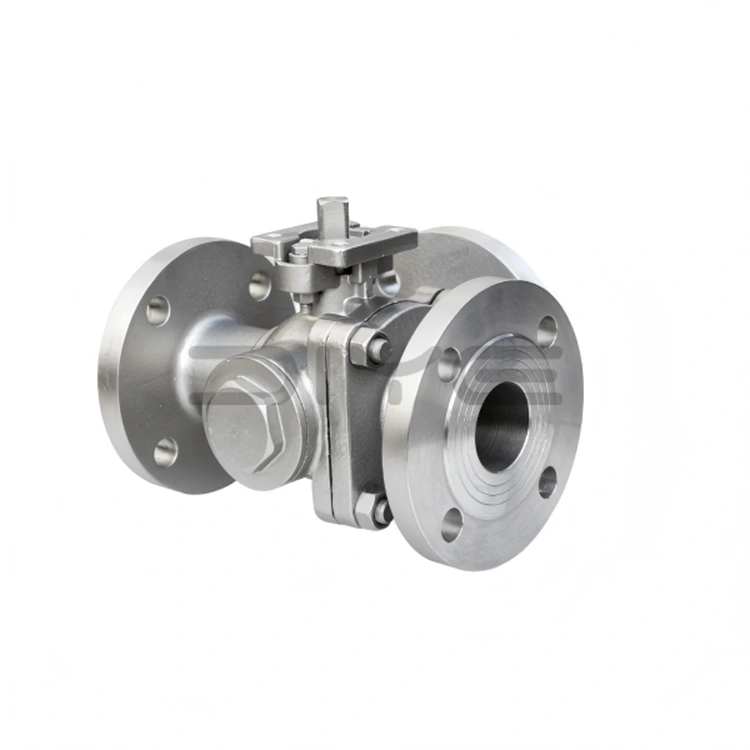
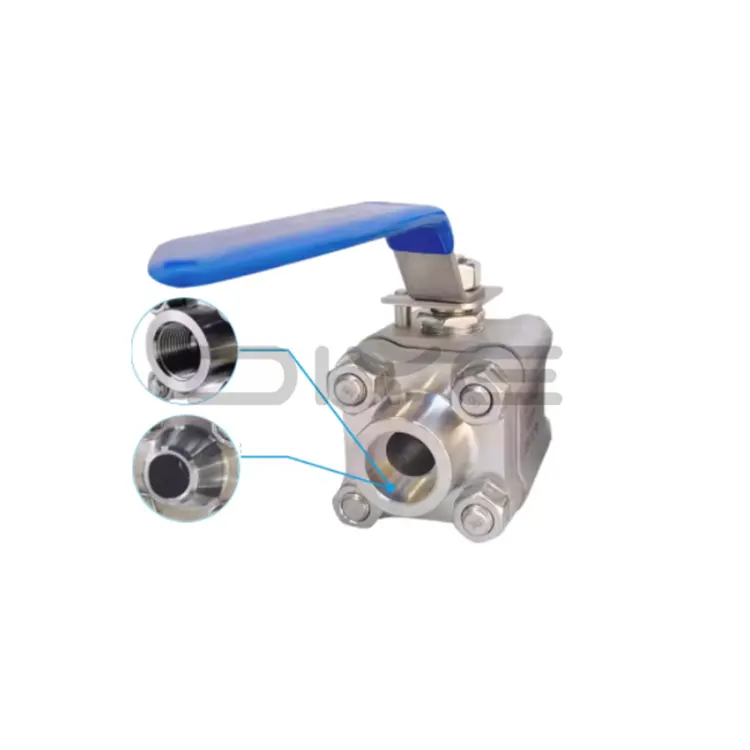
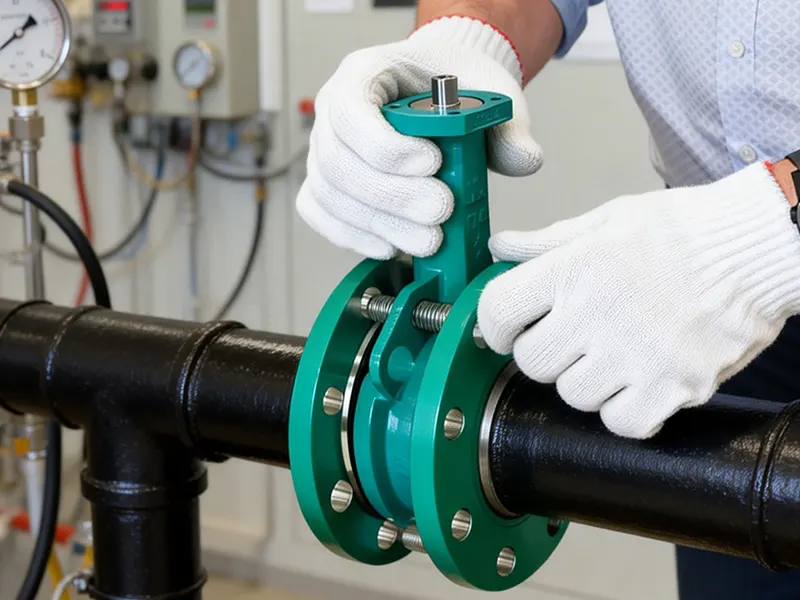
In industries where contamination is not an option, the sanitary valve reigns supreme. Found in pharmaceutical labs, dairy farms, and breweries, these valves are engineered to maintain absolute sterility. Constructed almost exclusively from 304 or 316L stainless steel, they feature exceptionally smooth surface finishes (often electropolished) to eliminate the microscopic crevices where bacteria can harbor and multiply.
The design philosophy behind sanitary valves revolves around "cleanability." Unlike standard industrial valves, they are designed to interface with Clean-in-Place (CIP) and Sterilize-in-Place (SIP) systems. This allows them to be thoroughly flushed and sanitized with chemical solutions or steam without being disassembled, drastically reducing downtime and labor costs.
Among the most common variants is the sanitary diaphragm valve. In this design, a flexible diaphragm compresses against a weir to seal the flow, isolating the operating mechanism from the process media entirely. This ensures that no lubricants or threads from the valve stem can contaminate the product. Whether handling high-viscosity yogurt or sensitive biologic cultures, sanitary valves ensure that the end product remains safe, pure, and compliant with stringent health regulations.
We use cookies to offer you a better browsing experience, analyze site traffic and personalize content. By using this site, you agree to our use of cookies.
Privacy Policy