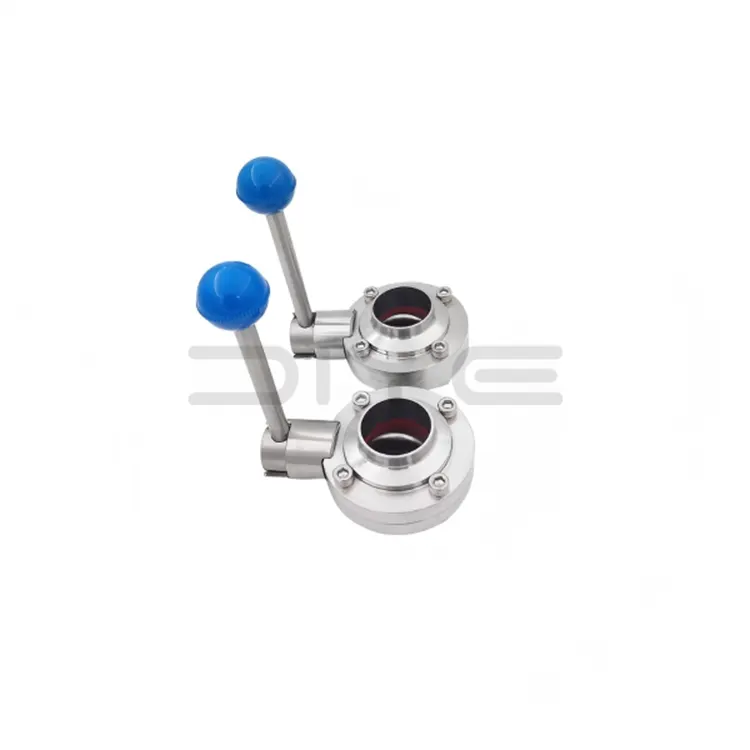
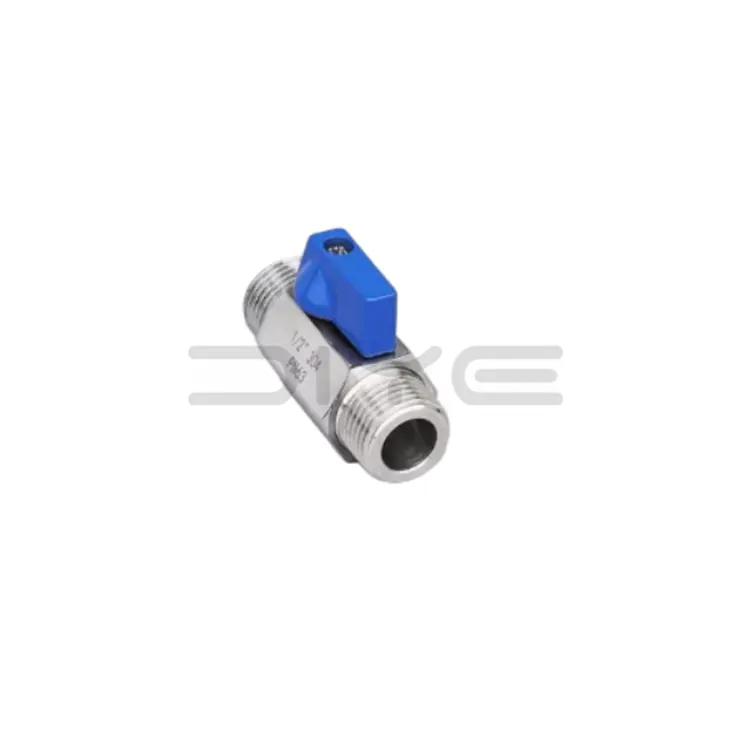
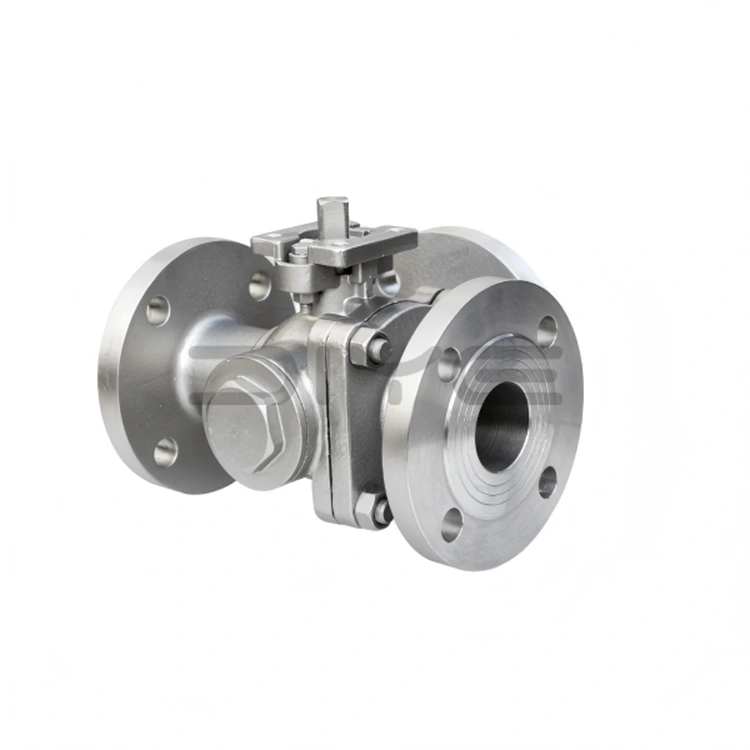
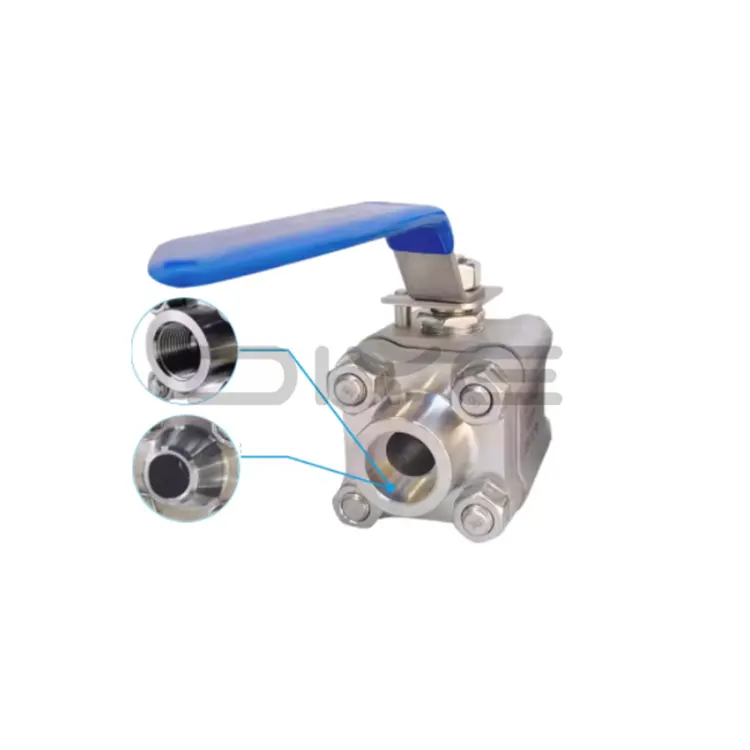
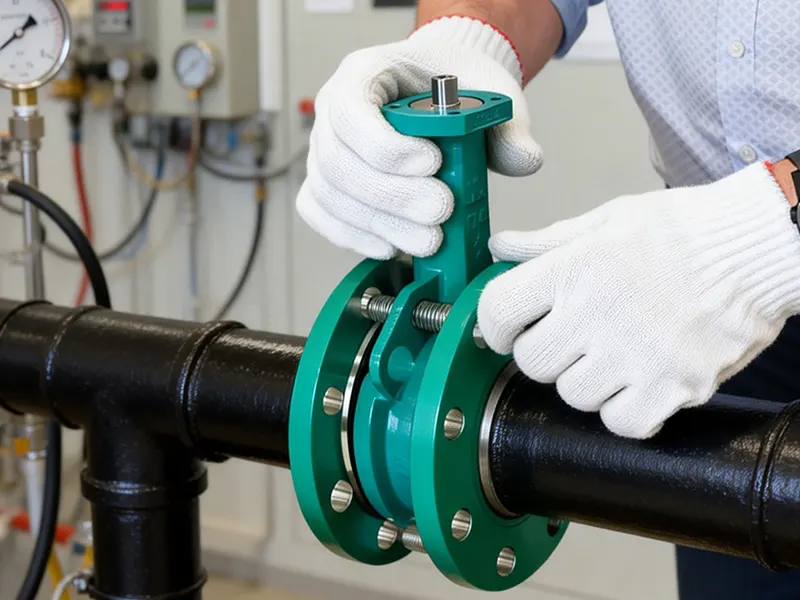
In the vast world of fluid control systems, the ball valve stands out for its simplicity and reliability. Recognizable by its lever handle, this valve utilizes a quarter-turn (90-degree) motion to control media flow. At its core is a pivoting ball drilled with a central port. When the handle is parallel to the pipe, the valve is open, allowing liquids or gases to pass through unobstructed. When turned perpendicular, the solid part of the ball blocks the flow, creating an instant shut-off.
Modern ball valves have evolved significantly from their basic designs. While traditional two-piece valves are standard for general shut-off, floating and trunnion-mounted designs cater to high-pressure environments. The introduction of materials like PVC and CPVC has also made them indispensable in chemical handling and aquaculture, where corrosion resistance is paramount. Furthermore, the rise of automated actuation has transformed the ball valve into a precision tool; by adding electric or pneumatic actuators, facilities can now control these valves remotely, integrating them seamlessly into complex SCADA systems for efficient process management.
We use cookies to offer you a better browsing experience, analyze site traffic and personalize content. By using this site, you agree to our use of cookies.
Privacy Policy