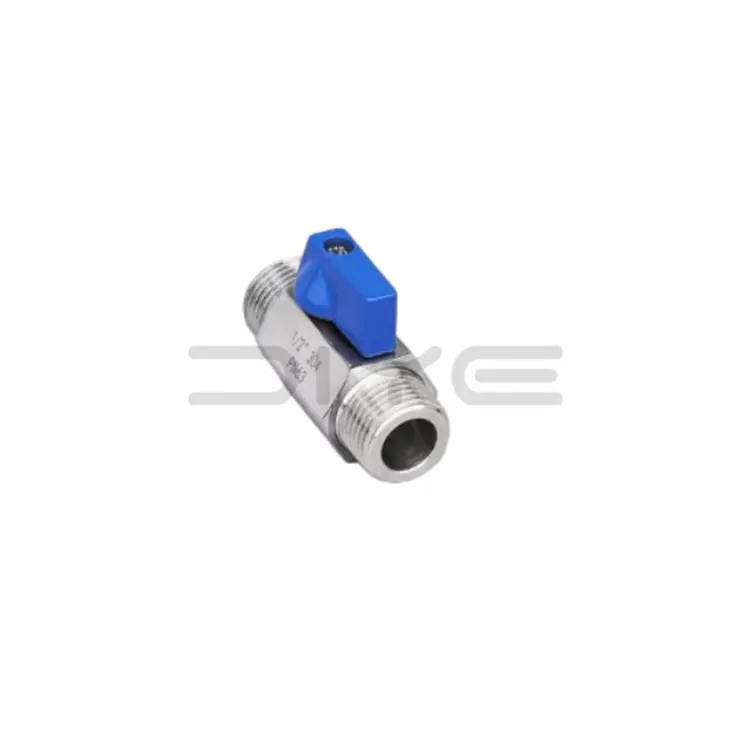
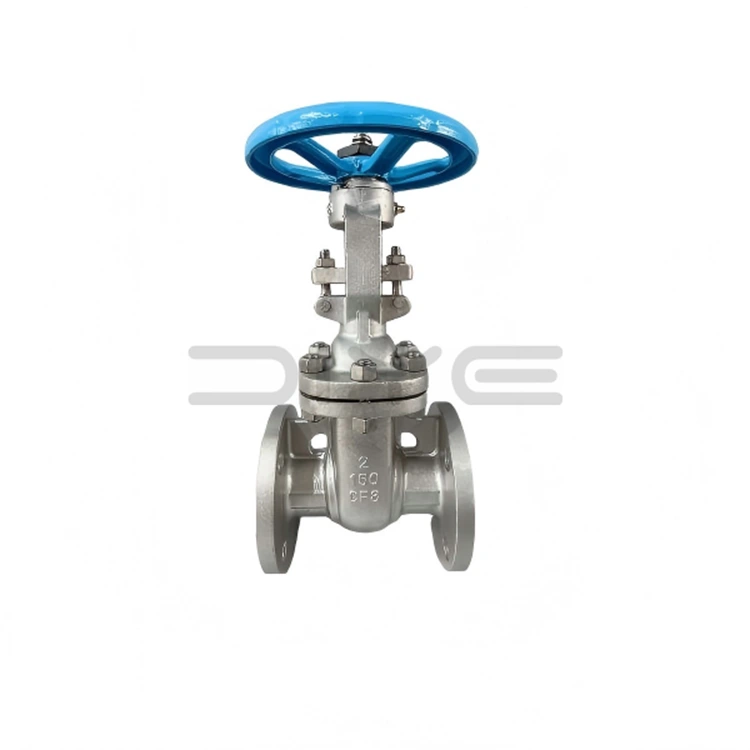
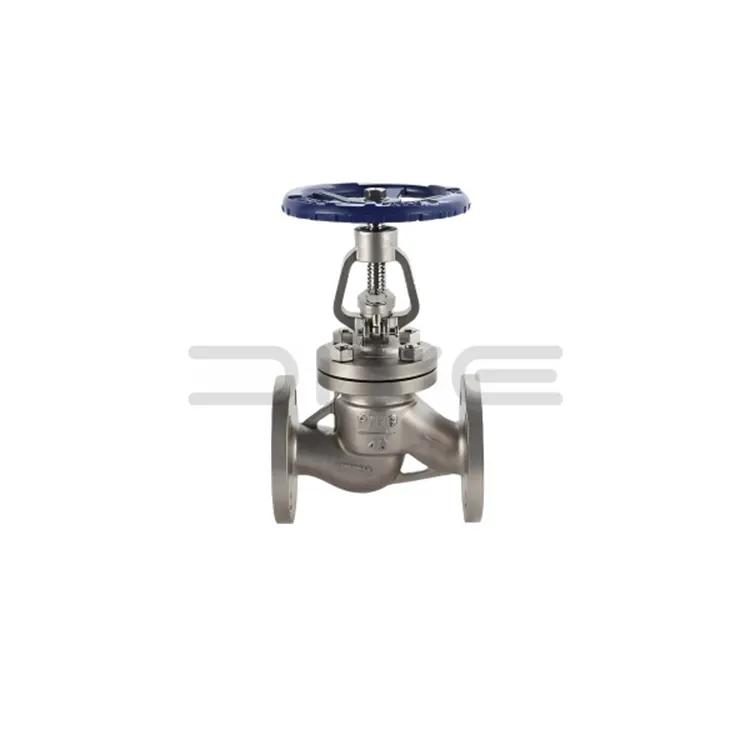
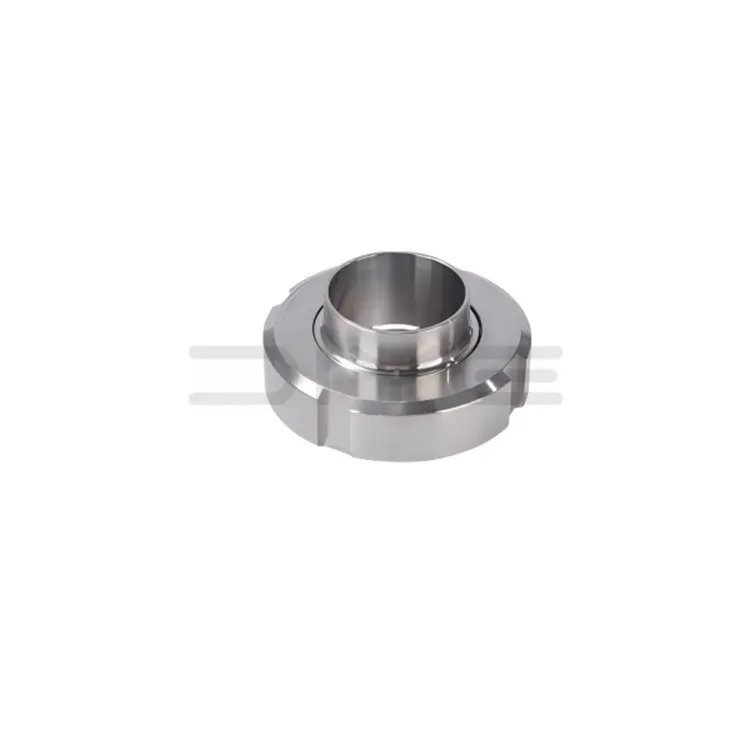
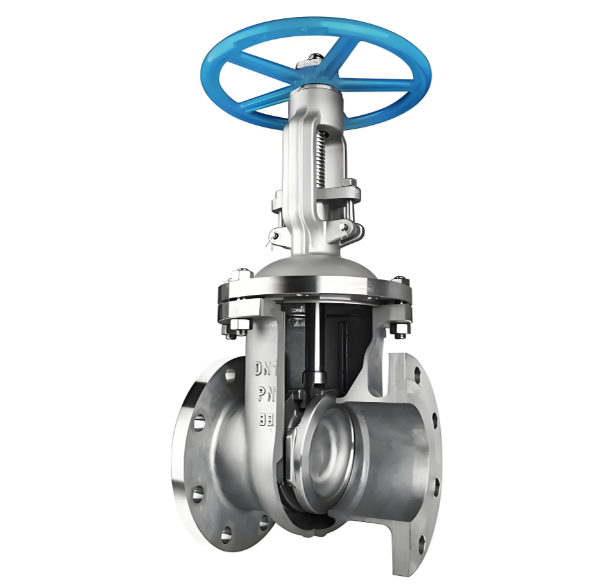
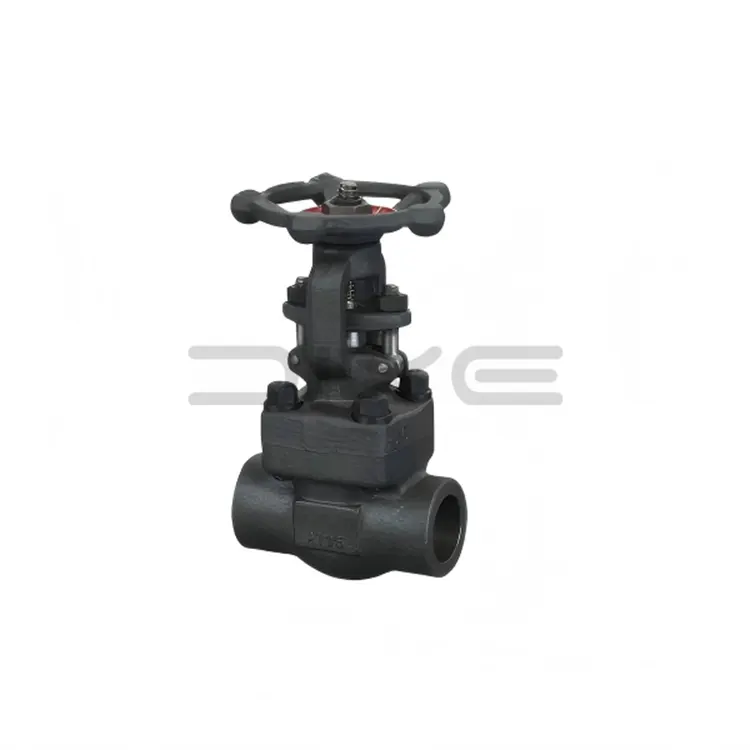
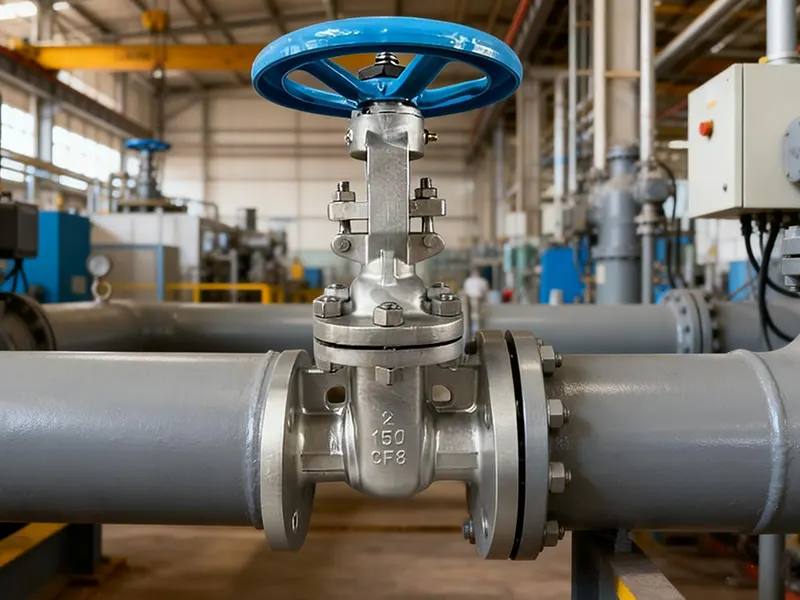
While "flange valve" often confuses beginners, it is crucial to understand that it refers to a valve connection type, not the internal mechanism itself. A flange valve is simply any valve—be it a gate, globe, ball, or check valve—that features integrated flanges on its ends. These flanges are protruding rims with drilled holes that allow the valve to be bolted directly to companion flanges on pipes, pumps, or tanks.
This bolted configuration offers distinct advantages over threaded or welded ends. The primary benefit is accessibility. In heavy industrial settings like refineries or power plants, equipment requires regular maintenance and replacement. A flanged connection allows maintenance crews to unbolt the valve and slide it out of the line without cutting pipes or disturbing permanent welds.
To ensure a leak-tight seal under high pressure, a gasket is sandwiched between the two flange faces before the bolts are torqued down. Different flange face types—such as Raised Face (RF) or Ring Type Joint (RTJ)—are used depending on the pressure requirements of the system. In essence, the flange valve serves as a modular component, providing the flexibility needed to build and maintain complex, high-stakes piping networks.
We use cookies to offer you a better browsing experience, analyze site traffic and personalize content. By using this site, you agree to our use of cookies. Privacy Policy