How Does a Ball Valve Deliver Reliable Flow Control in Modern Industries?
Ball valves are one of the most widely used flow control devices in industrial piping systems due to their durability, tight sealing performance, and simple operation. This comprehensive article explains how ball valves work, their core structure, benefits, applications, common problems, maintenance practices, and selection guidelines. It is designed to help engineers, buyers, and system designers understand how to choose and maintain ball valves effectively to ensure safe, efficient, and long-lasting operation. Special attention is given to real-world challenges faced in industrial environments and how quality manufacturing—such as that provided by Wenzhou Diye Valve And Fittings Co.,Ltd.—can significantly improve system reliability.
📌 Table of Contents
- 1. Introduction to Ball Valves
- 2. Structure and Working Principle
- 3. Types of Ball Valves
- 4. Key Advantages in Industrial Use
- 5. Industrial Applications
- 6. How to Choose the Right Ball Valve
- 7. Installation Guidelines
- 8. Maintenance and Service Life
- 9. Common Problems and Solutions
- 10. Ball Valve vs Other Valve Types
- 11. Industry Standards and Quality Considerations
- 12. Frequently Asked Questions
- 13. Conclusion and Contact
1. Introduction to Ball Valves
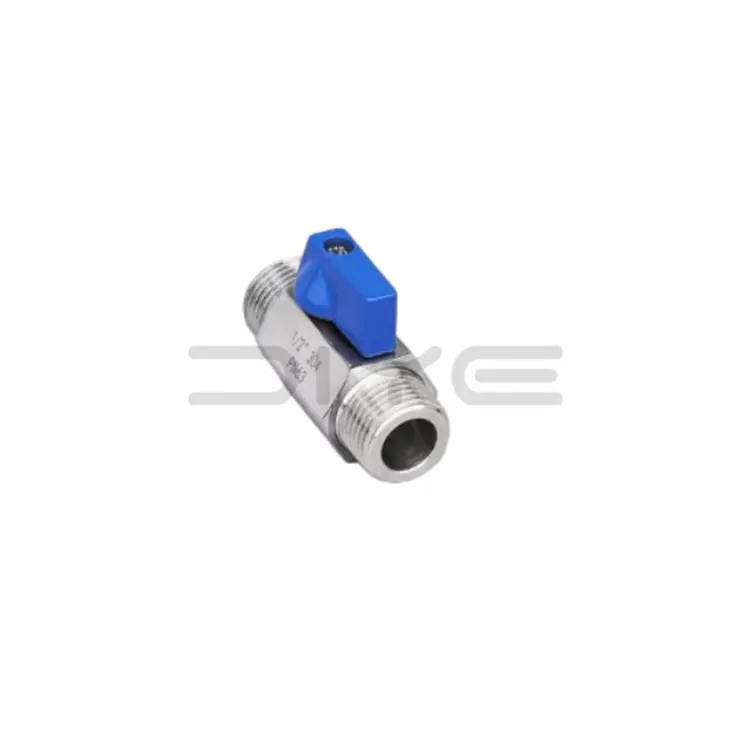
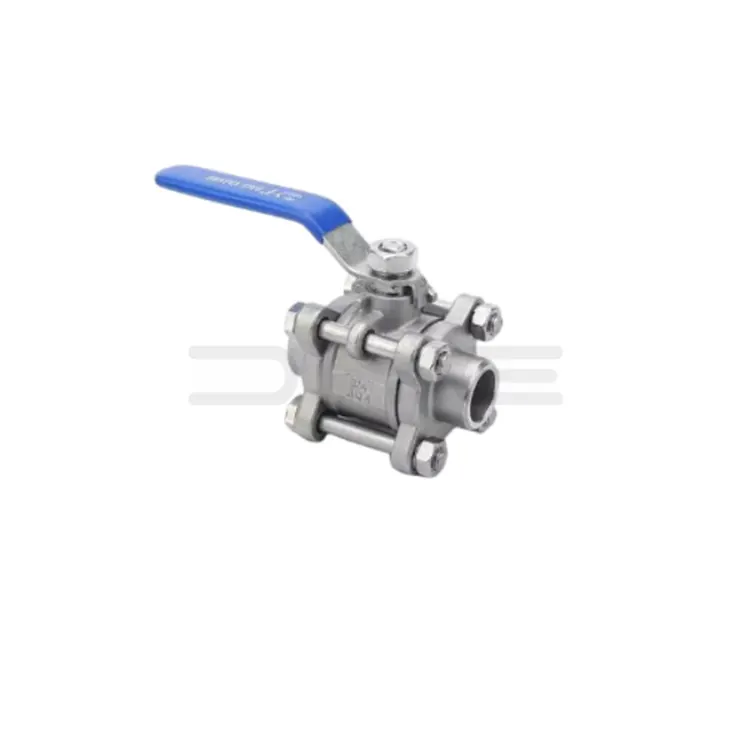
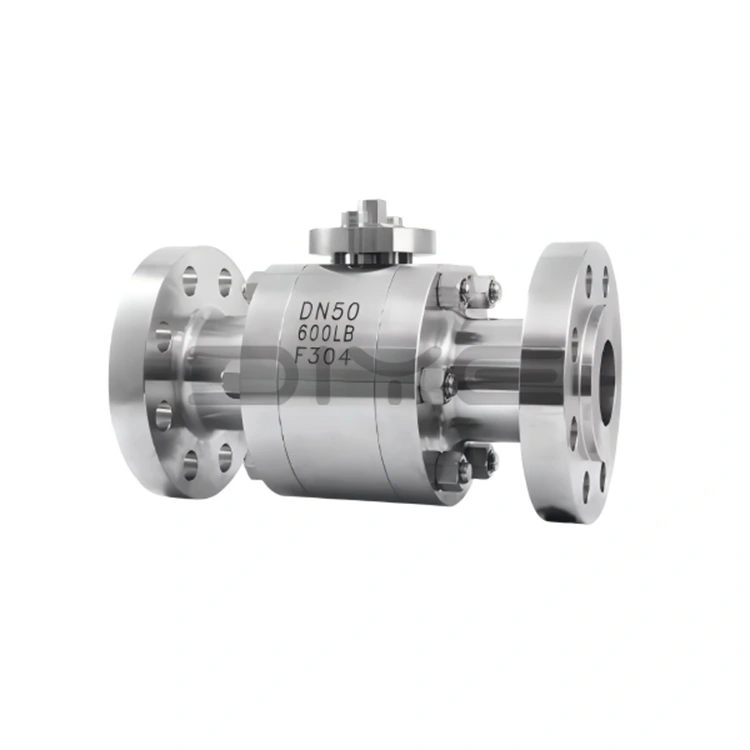
A ball valve is a mechanical device used to control the flow of liquids, gases, and sometimes slurries through a pipeline. It uses a rotating ball with a hole (called a bore) that aligns with the pipeline when open and blocks flow when closed. This simple yet effective design makes it a preferred choice across industries such as oil and gas, water treatment, chemical processing, HVAC systems, and manufacturing.
One of the main reasons engineers prefer ball valves is their ability to provide quick shut-off with minimal torque. A 90-degree rotation is enough to fully open or close the valve, making it highly efficient in emergency situations.
Manufacturers like Wenzhou Diye Valve And Fittings Co.,Ltd. focus on producing high-performance ball valves that meet demanding industrial conditions, ensuring safety and long service life.
2. Structure and Working Principle
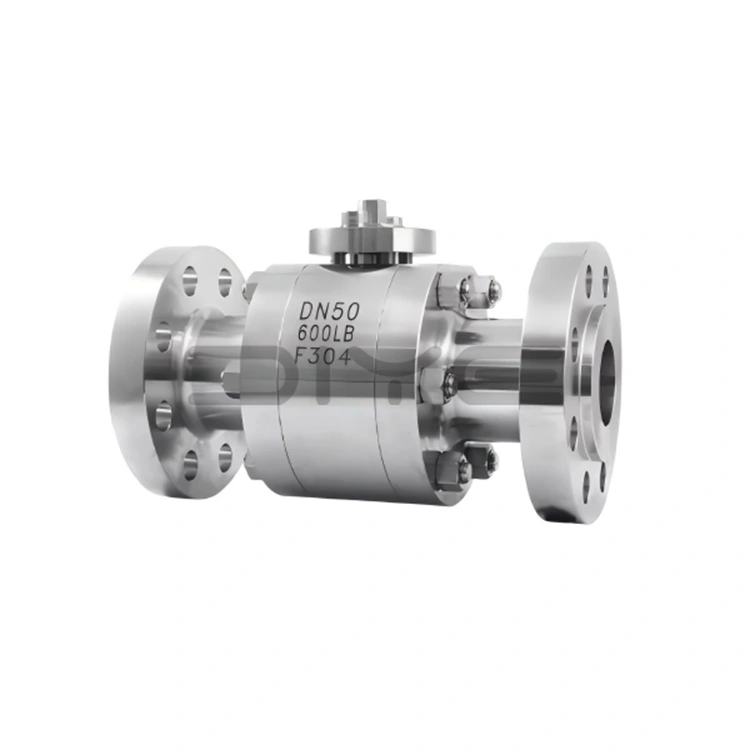
Understanding how a ball valve works begins with its core components:
- Ball: The rotating sphere with a hole
- Stem: Connects actuator or handle to the ball
- Seats: Provide sealing around the ball
- Body: Outer shell that holds internal components
- Actuator/Handle: Used to rotate the valve
When the handle is turned, the stem rotates the ball. If the bore aligns with the pipeline, fluid flows freely. When rotated 90 degrees, the solid part of the ball blocks the flow completely.
This simple mechanism reduces leakage risks and makes ball valves ideal for high-pressure and high-temperature systems.
3. Types of Ball Valves
Ball valves come in several configurations depending on application requirements:
| Type | Description | Common Use |
|---|---|---|
| Floating Ball Valve | Ball is not fixed and moves slightly under pressure | Low to medium pressure systems |
| Trunnion Mounted Valve | Ball is supported by shafts for stability | High-pressure pipelines |
| Full Bore Valve | Ball bore equals pipeline diameter | Where minimal pressure drop is required |
| Reduced Bore Valve | Bore is smaller than pipeline | General industrial applications |
High-quality manufacturers like Wenzhou Diye Valve And Fittings Co.,Ltd. offer customized ball valve solutions for different industrial conditions, ensuring compatibility and performance.
4. Key Advantages in Industrial Use
- Fast opening and closing operation
- Excellent sealing performance with minimal leakage
- Durability under high pressure and temperature
- Low maintenance requirements
- Compact design suitable for tight spaces
These advantages make ball valves a cost-effective choice for long-term industrial operation.
5. Industrial Applications
Ball valves are used in a wide range of industries:
- Oil and gas pipelines
- Water treatment plants
- Chemical processing systems
- Pharmaceutical production
- Food and beverage industry
- HVAC systems
In each of these sectors, reliability is critical. That is why many companies choose products from Wenzhou Diye Valve And Fittings Co.,Ltd. for consistent quality and performance.
6. How to Choose the Right Ball Valve
When selecting a ball valve, consider the following factors:
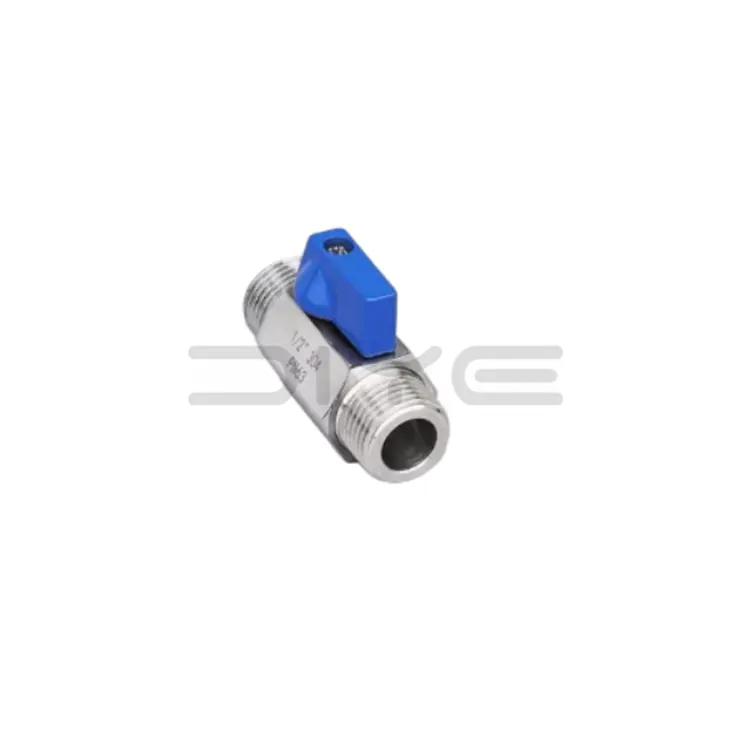
- Material: Stainless steel, brass, carbon steel
- Pressure rating: Must match system requirements
- Temperature range: Important for thermal stability
- Fluid type: Corrosive, clean, or abrasive
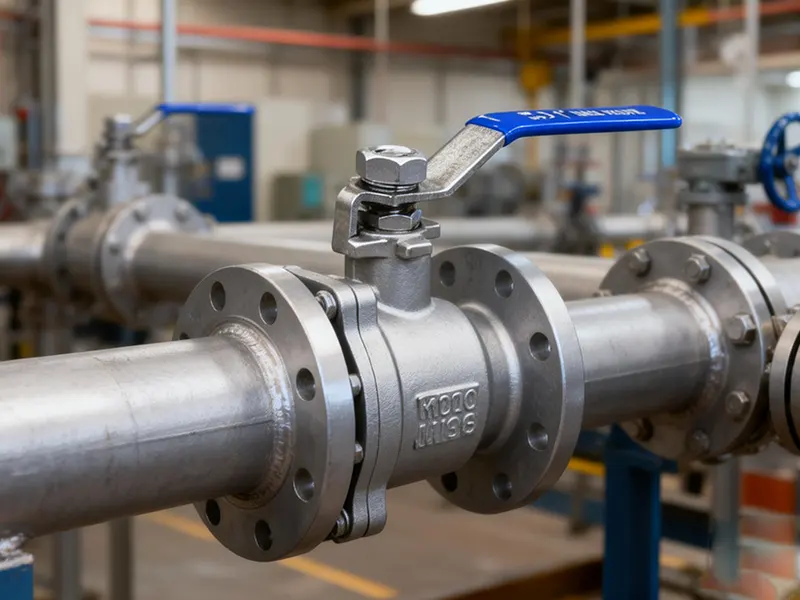
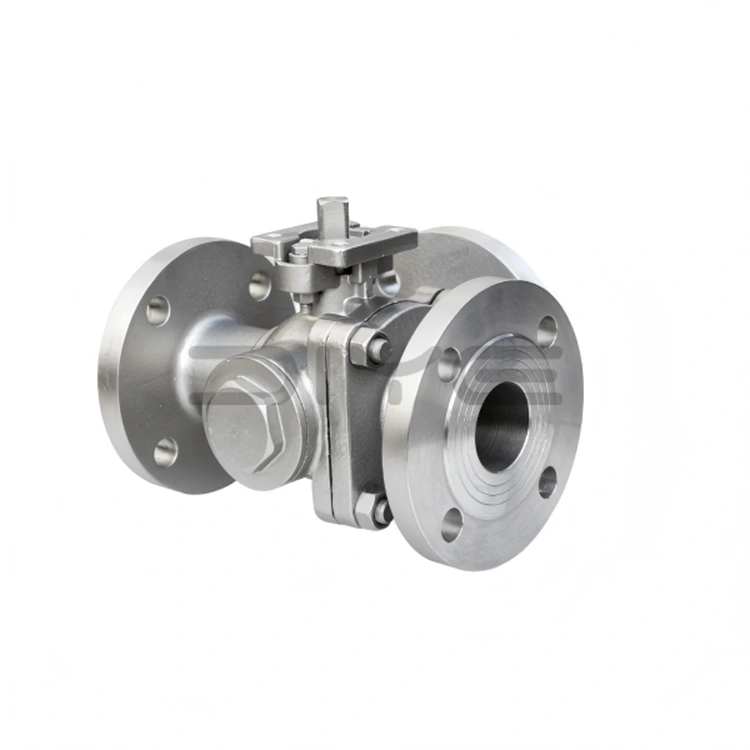
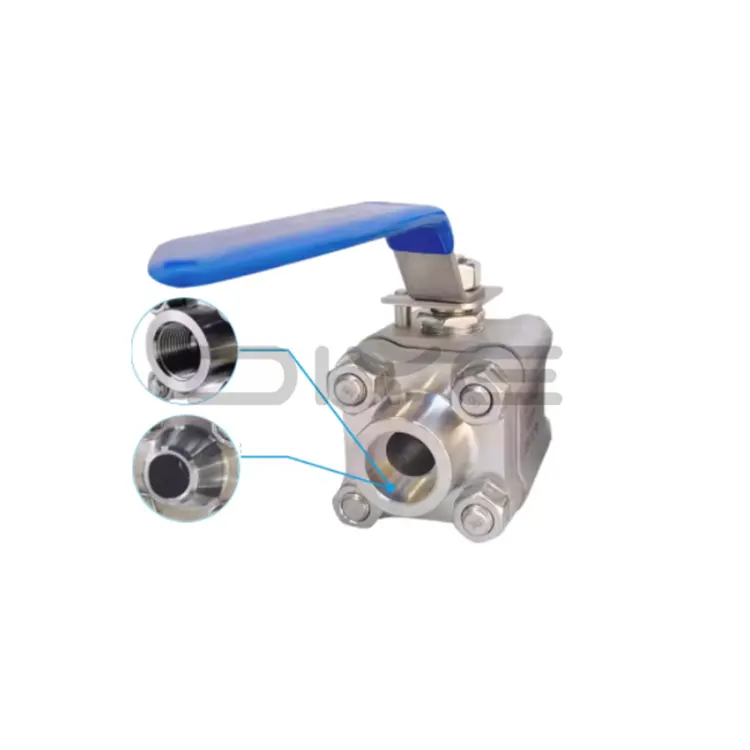
- End connection: Threaded, flanged, or welded
Choosing the wrong valve can lead to leakage, system failure, or frequent maintenance costs. Working with experienced suppliers like Wenzhou Diye Valve And Fittings Co.,Ltd. helps reduce such risks.
7. Installation Guidelines
Proper installation ensures long service life:
- Check valve compatibility with pipeline
- Ensure pipeline is clean before installation
- Avoid over-tightening threaded connections
- Install in correct flow direction if required
- Test system before full operation
Incorrect installation is one of the most common causes of early valve failure.
8. Maintenance and Service Life
Although ball valves require low maintenance, periodic checks are essential:
- Inspect seals for wear and tear
- Check for leakage around stem
- Lubricate moving parts if necessary
- Operate valve periodically to prevent sticking
High-quality valves from Wenzhou Diye Valve And Fittings Co.,Ltd. are designed for long service life with minimal maintenance requirements.
9. Common Problems and Solutions
| Problem | Possible Cause | Solution |
|---|---|---|
| Leakage | Damaged seals or debris | Replace seals and clean valve |
| Hard to operate | Corrosion or lack of lubrication | Lubricate or replace components |
| Pressure drop | Improper valve size | Select correct size valve |
10. Ball Valve vs Other Valve Types
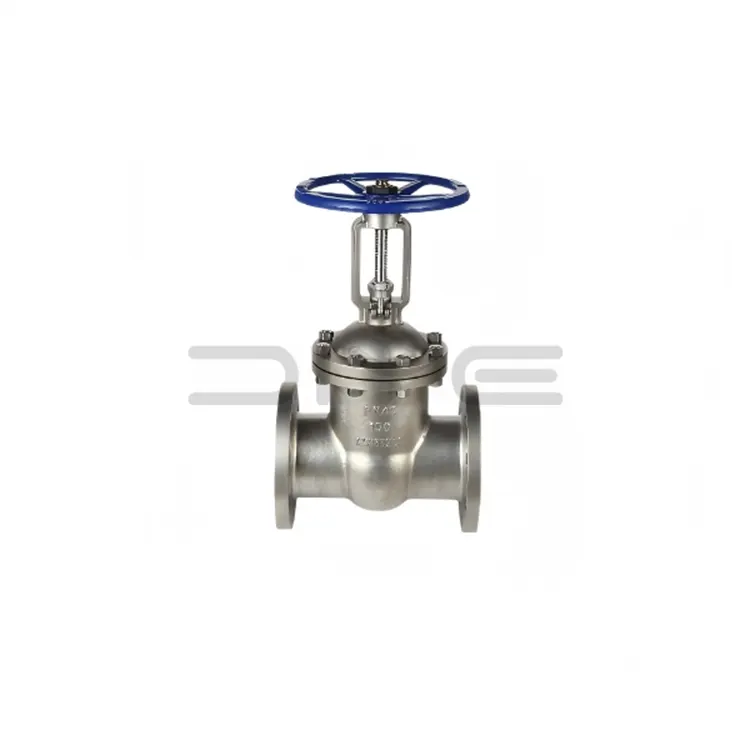
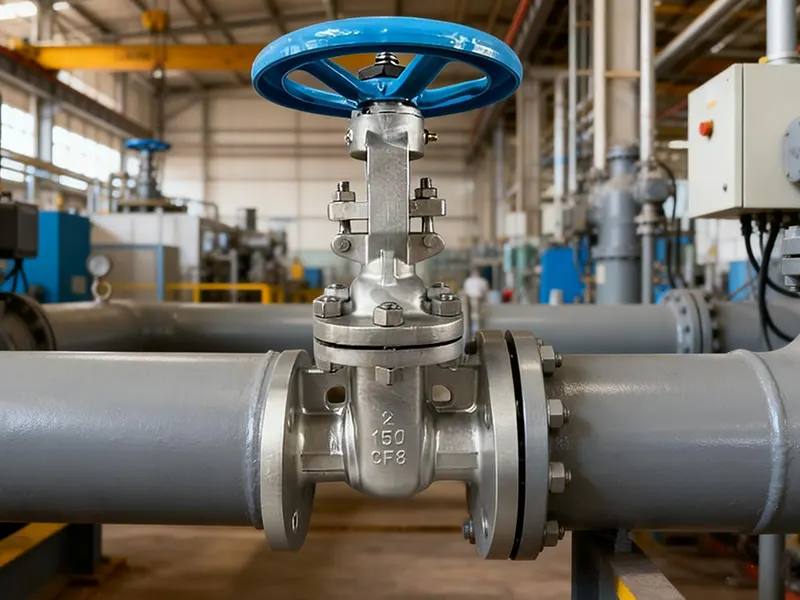
Compared to gate valves and globe valves, ball valves offer superior sealing and faster operation. Gate valves are better for full flow control but slower, while globe valves provide precise regulation but higher pressure drop.
Ball valves strike a balance between speed, efficiency, and sealing performance, making them ideal for most industrial systems.
11. Industry Standards and Quality Considerations
Reliable ball valves must comply with international standards for safety and performance. Quality assurance includes pressure testing, material inspection, and leakage testing.
Manufacturers like Wenzhou Diye Valve And Fittings Co.,Ltd. ensure strict quality control processes to meet global industrial requirements.
12. Frequently Asked Questions
Q1: What is the main advantage of a ball valve?
A: Fast operation and excellent sealing performance.
Q2: Can ball valves be used for throttling?
A: They are mainly for on/off control, not precise throttling.
Q3: How long does a ball valve last?
A: With proper maintenance, it can last many years depending on usage conditions.
Q4: Are ball valves suitable for high pressure?
A: Yes, especially trunnion-mounted designs.
13. Conclusion and Contact
Ball valves play a critical role in modern industrial systems due to their simplicity, durability, and reliability. Selecting the right valve, ensuring proper installation, and performing regular maintenance are essential for achieving optimal system performance.
For high-quality and durable solutions, Wenzhou Diye Valve And Fittings Co.,Ltd. provides a wide range of ball valves designed to meet demanding industrial needs. Their expertise ensures that customers receive reliable products that enhance operational efficiency and safety.
If you are looking for professional guidance, customized valve solutions, or bulk procurement support, please feel free to contact us today. Our team at Wenzhou Diye Valve And Fittings Co.,Ltd. is ready to assist you with expert recommendations and high-quality valve solutions tailored to your project needs.
Related News
- 1PC vs 2PC vs 3PC Stainless Steel Threaded Ball Valve Selection Guide
- Globally Renowned Industrial Valve Manufacturers
- Why Are Stainless Steel Mini Ball Valves the Best Choice for Compact Flow Control?
- Why Is Forged Steel Check Valve SW Essential for High-Pressure Piping Systems?
- Why Are 3-Way Stainless Steel Flanged Ball Valves Essential for Complex Flow Control Systems?
- What Makes Forged Steel High-Pressure Flanged Ball Valve Essential in Modern Industrial Systems?
Leave me a message