Why Is Forged Steel Check Valve SW Essential for High-Pressure Piping Systems?
Forged Steel Check Valve SW products are widely used in industrial piping systems where reliable backflow prevention, high-pressure resistance, and long-term durability are required. From oil and gas plants to chemical processing facilities and power stations, these valves play a critical role in maintaining operational safety and efficiency. This comprehensive guide explores their structure, working principles, applications, installation methods, material selection, maintenance tips, and buying considerations to help engineers, distributors, and industrial buyers make informed decisions.
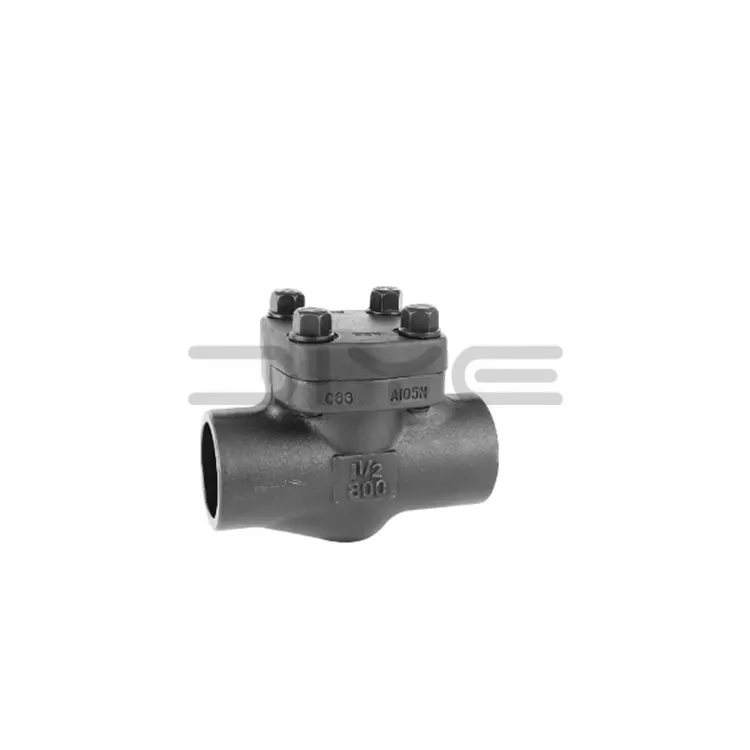
Table of Contents
- 1. What Is a Forged Steel Check Valve SW?
- 2. How Does a Forged Steel Check Valve Work?
- 3. Key Advantages of Forged Steel Check Valve SW
- 4. Common Industrial Applications
- 5. Material Options and Their Benefits
- 6. Why Choose Socket Weld Connections?
- 7. Main Types of Forged Steel Check Valves
- 8. How to Select the Right Valve
- 9. Installation Best Practices
- 10. Maintenance and Troubleshooting
- 11. Forged Steel vs Cast Steel Check Valves
- 12. Industry Standards and Certifications
- 13. Important Buying Considerations
- 14. Frequently Asked Questions
- 15. Conclusion
1. What Is a Forged Steel Check Valve SW?
A Forged Steel Check Valve SW is a type of non-return valve designed to prevent reverse fluid flow in a piping system. The term “SW” refers to socket weld connections, which provide a strong and leak-resistant joint suitable for high-pressure applications.
Unlike cast valves, forged steel valves are manufactured through a forging process that improves grain structure and mechanical strength. This makes them highly resistant to pressure, temperature fluctuations, and mechanical stress.
| Feature | Description |
|---|---|
| Valve Type | Non-return / Backflow prevention valve |
| Connection | Socket Weld (SW) |
| Material | Forged carbon steel, stainless steel, alloy steel |
| Pressure Range | Typically Class 800–2500 |
| Applications | Oil & gas, power plants, chemical industries |
2. How Does a Forged Steel Check Valve Work?
The working principle of a forged steel check valve is simple yet highly effective. The valve allows fluid to move in one direction while automatically preventing reverse flow.
When fluid pressure enters the valve inlet, it pushes the disc upward or forward, allowing media to pass through. If the flow stops or reverses, gravity and back pressure force the disc back into the seat, sealing the valve shut.
Main Functional Benefits:
- Prevents backflow damage
- Protects pumps and compressors
- Maintains pipeline pressure stability
- Reduces operational risks
- Improves system reliability
3. Key Advantages of Forged Steel Check Valve SW
Industrial users prefer forged steel check valves because of their superior strength and performance in demanding environments.
High Strength
Forged steel construction improves mechanical properties and enhances pressure resistance.
Leak Resistance
Socket weld connections provide secure sealing and minimize leakage risks.
Long Service Life
These valves are highly durable and perform reliably over extended operational periods.
Compact Design
Forged steel SW valves are compact and ideal for confined installation spaces.
4. Common Industrial Applications
Forged Steel Check Valve SW products are used in numerous industrial sectors where reliable fluid control is essential.
| Industry | Application |
|---|---|
| Oil & Gas | Pipeline protection and pressure systems |
| Chemical Plants | Corrosive fluid handling |
| Power Stations | Steam and high-temperature applications |
| Marine Industry | Shipboard fluid systems |
| Petrochemical | Refinery process control |
5. Material Options and Their Benefits
Selecting the appropriate material is critical for ensuring valve performance and lifespan.
- A105 Forged Carbon Steel: Suitable for general industrial service.
- F304 Stainless Steel: Excellent corrosion resistance.
- F316 Stainless Steel: Ideal for chemical and marine environments.
- F11/F22 Alloy Steel: High-temperature applications.
- Duplex Stainless Steel: Superior strength and corrosion protection.
The selection depends on operating pressure, temperature, fluid type, and environmental conditions.
6. Why Choose Socket Weld Connections?
Socket weld connections are widely used in smaller-diameter high-pressure piping systems. They provide several advantages compared with threaded connections.
- Excellent sealing performance
- Reduced leakage potential
- Improved structural strength
- Suitable for vibration-prone systems
- Reliable under thermal cycling conditions
Because of these benefits, SW check valves are frequently selected for steam lines, oil systems, and chemical processing pipelines.
7. Main Types of Forged Steel Check Valves
Different valve designs serve different operational requirements.
Swing Check Valve
Uses a hinged disc that swings open during forward flow and closes when reverse flow occurs.
Lift Check Valve
The disc lifts vertically with flow pressure and reseats automatically when flow stops.
Piston Check Valve
Designed for high-pressure and high-temperature services with enhanced sealing performance.
8. How to Select the Right Valve
Choosing the correct Forged Steel Check Valve SW requires careful consideration of several technical factors.
| Selection Factor | Why It Matters |
|---|---|
| Pressure Rating | Ensures operational safety |
| Temperature Range | Prevents material failure |
| Media Compatibility | Avoids corrosion and wear |
| Connection Type | Matches pipeline requirements |
| Flow Characteristics | Improves efficiency and stability |
9. Installation Best Practices
Correct installation significantly affects valve performance and service life.
- Always verify flow direction before installation.
- Ensure clean pipeline interiors before welding.
- Avoid excessive welding heat exposure.
- Install valves in accessible maintenance locations.
- Perform pressure testing after installation.
Important: Improper installation can lead to leakage, vibration damage, or premature valve failure.
10. Maintenance and Troubleshooting
Although forged steel check valves are durable, regular maintenance helps ensure reliable long-term operation.
Routine Maintenance Tips
- Inspect for leakage regularly
- Monitor unusual vibrations or noise
- Clean internal components periodically
- Check seat and disc wear
- Replace damaged seals immediately
Common Problems
| Problem | Possible Cause | Solution |
|---|---|---|
| Leakage | Seat damage | Replace sealing components |
| Valve Noise | Flow turbulence | Optimize flow conditions |
| Backflow | Disc malfunction | Inspect internal mechanism |
11. Forged Steel vs Cast Steel Check Valves
Understanding the difference between forged and cast steel valves helps buyers choose the most suitable product.
| Feature | Forged Steel | Cast Steel |
|---|---|---|
| Strength | Higher | Moderate |
| Pressure Resistance | Excellent | Good |
| Durability | Longer lifespan | Shorter lifespan |
| Cost | Higher | Lower |
12. Industry Standards and Certifications
Reliable forged steel check valves should comply with internationally recognized standards.
- API 602
- ASME B16.34
- BS 5352
- ANSI Standards
- NACE MR0175
- ISO 9001 Manufacturing Standards
Compliance with these standards ensures quality, performance consistency, and safety.
13. Important Buying Considerations
Before purchasing a Forged Steel Check Valve SW, buyers should evaluate supplier reliability, manufacturing capability, and product quality.
What Buyers Should Check
- Material certifications
- Pressure and temperature ratings
- Factory testing procedures
- Lead time and production capacity
- Customization capability
- After-sales technical support
Working with experienced manufacturers helps reduce operational risks and ensures stable product quality.
Wenzhou Diye Valve And Fittings Co.,Ltd. specializes in manufacturing industrial forged steel valves designed for demanding applications. Their products are widely used in oil, gas, petrochemical, power generation, and industrial piping systems.
14. Frequently Asked Questions
What does SW mean in forged steel check valves?
SW stands for Socket Weld, a type of pipe connection commonly used in high-pressure piping systems.
Are forged steel check valves suitable for high temperatures?
Yes. Forged steel valves are specifically designed for high-pressure and high-temperature environments.
How long does a forged steel check valve last?
With proper installation and maintenance, these valves can operate reliably for many years.
What industries use forged steel check valves most frequently?
Oil and gas, chemical processing, petrochemical plants, power generation, and marine industries are major users.
Can forged steel check valves prevent water hammer?
Certain designs help reduce water hammer effects, especially when properly installed and matched to system requirements.
15. Conclusion
Forged Steel Check Valve SW products are critical components in modern industrial piping systems. Their robust forged construction, reliable backflow prevention capability, and excellent pressure resistance make them ideal for demanding applications across multiple industries.
By understanding valve types, materials, installation methods, and maintenance requirements, industrial buyers and engineers can improve system reliability, reduce downtime, and enhance operational safety.
Looking for Reliable Forged Steel Check Valve SW Solutions?
Wenzhou Diye Valve And Fittings Co.,Ltd. provides high-quality forged steel valves engineered for durability, safety, and long-term industrial performance.
Contact us today to discuss your project requirements, request technical support, or receive a competitive quotation for your industrial valve applications.
Related News
- What Is a Forged Steel Gate Valve and How Does It Support Reliable Industrial Flow Control?
- Stainless Steel ANSI 150LB Flanged Y Strainer for Reliable Pipeline Filtration
- Stainless Steel Ball Valve Complete Testing Process | Standard Inspection & Quality Assurance
- Sanitary 3-Piece Butterfly Valve for Hygienic Fluid Control Systems
- Stainless Steel Grade Selection for Gate Valves
- Sanitary Union Check Valve Trends in Modern Hygienic Fluid Processing
Leave me a message