News

Why Are 3-Way Stainless Steel Flanged Ball Valves Essential for Complex Flow Control Systems?

2026-05-07 0 Leave me a message

In modern industrial piping systems, flow control is no longer limited to simple open-and-close operations. Industries such as chemical processing, water treatment, oil and gas, food production, and pharmaceuticals demand precise, reliable, and corrosion-resistant flow direction solutions. Among the most critical components enabling this level of control are 3-Way Stainless Steel Flanged Ball Valves. These valves are designed to redirect, mix, or isolate media across multiple pipeline directions while maintaining structural integrity under high pressure and corrosive conditions.

This article provides a comprehensive breakdown of their structure, working principles, advantages, selection criteria, installation practices, maintenance strategies, and common application scenarios. It also addresses real customer concerns such as leakage prevention, material durability, cost efficiency, and system integration challenges.

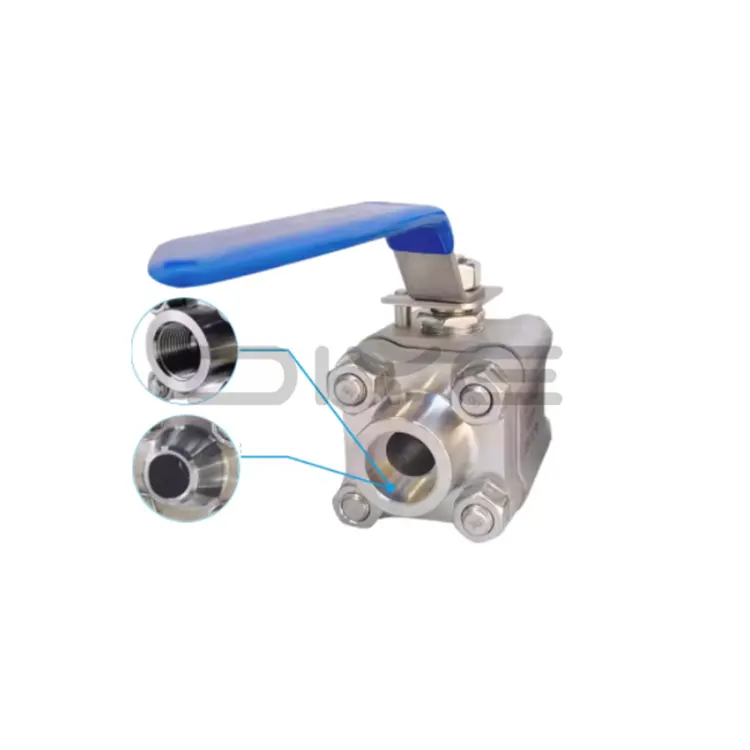
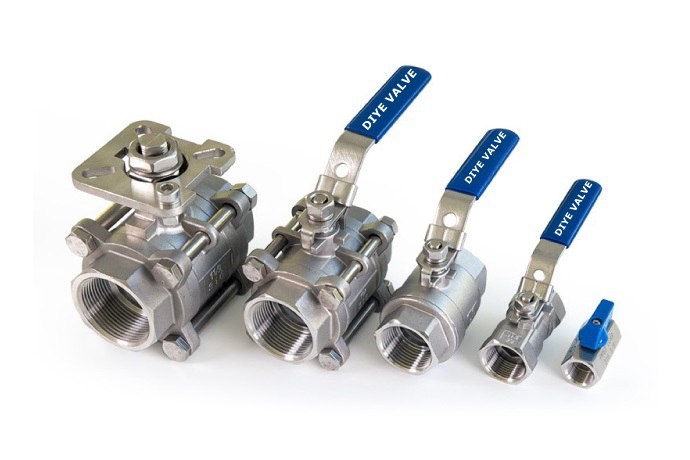
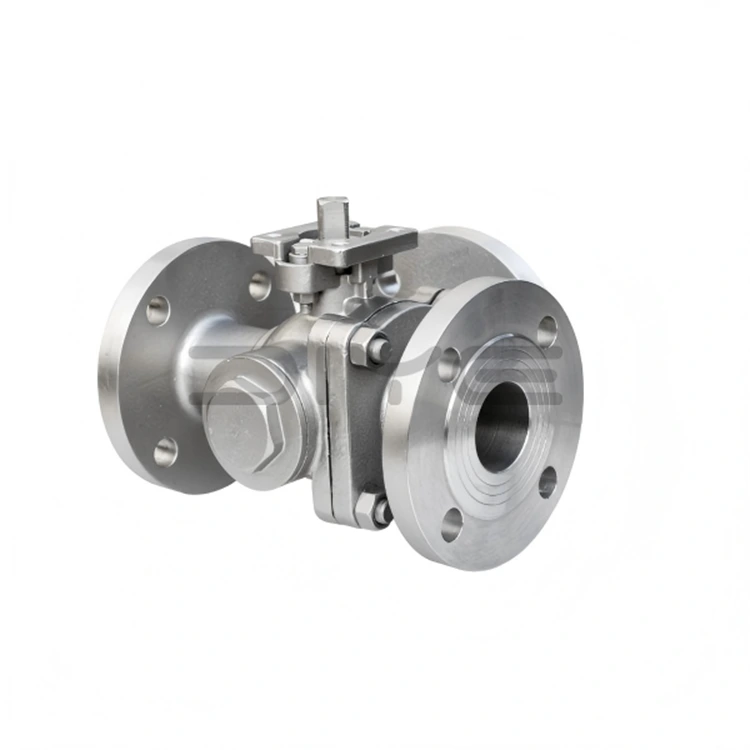
 3-Way Stainless Steel Flanged Ball Valves


Table of Contents


1. Introduction to 3-Way Stainless Steel Flanged Ball Valves

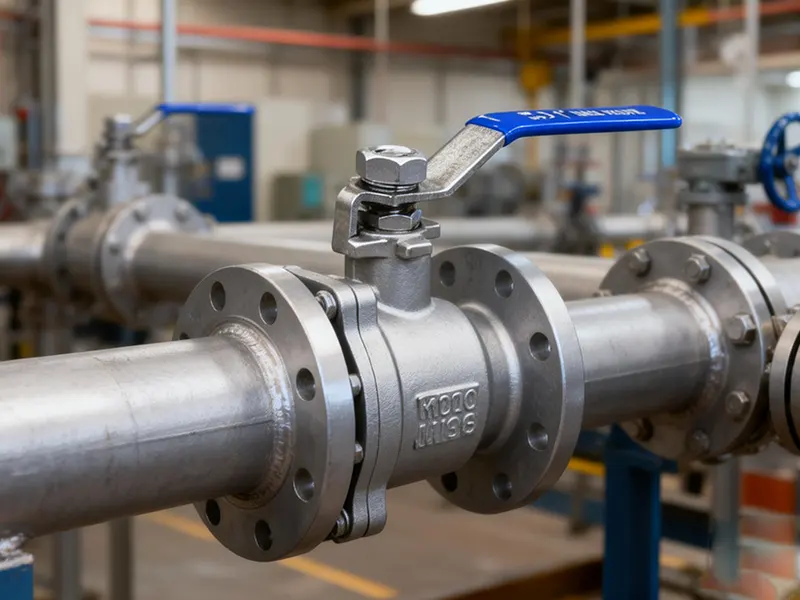
3-Way Stainless Steel Flanged Ball Valves are engineered flow control devices designed to manage the direction of liquids, gases, or semi-solid media within a pipeline system. Unlike standard two-way valves, these valves feature three ports, allowing operators to divert flow between different pipeline directions or combine multiple flows into a single output stream.

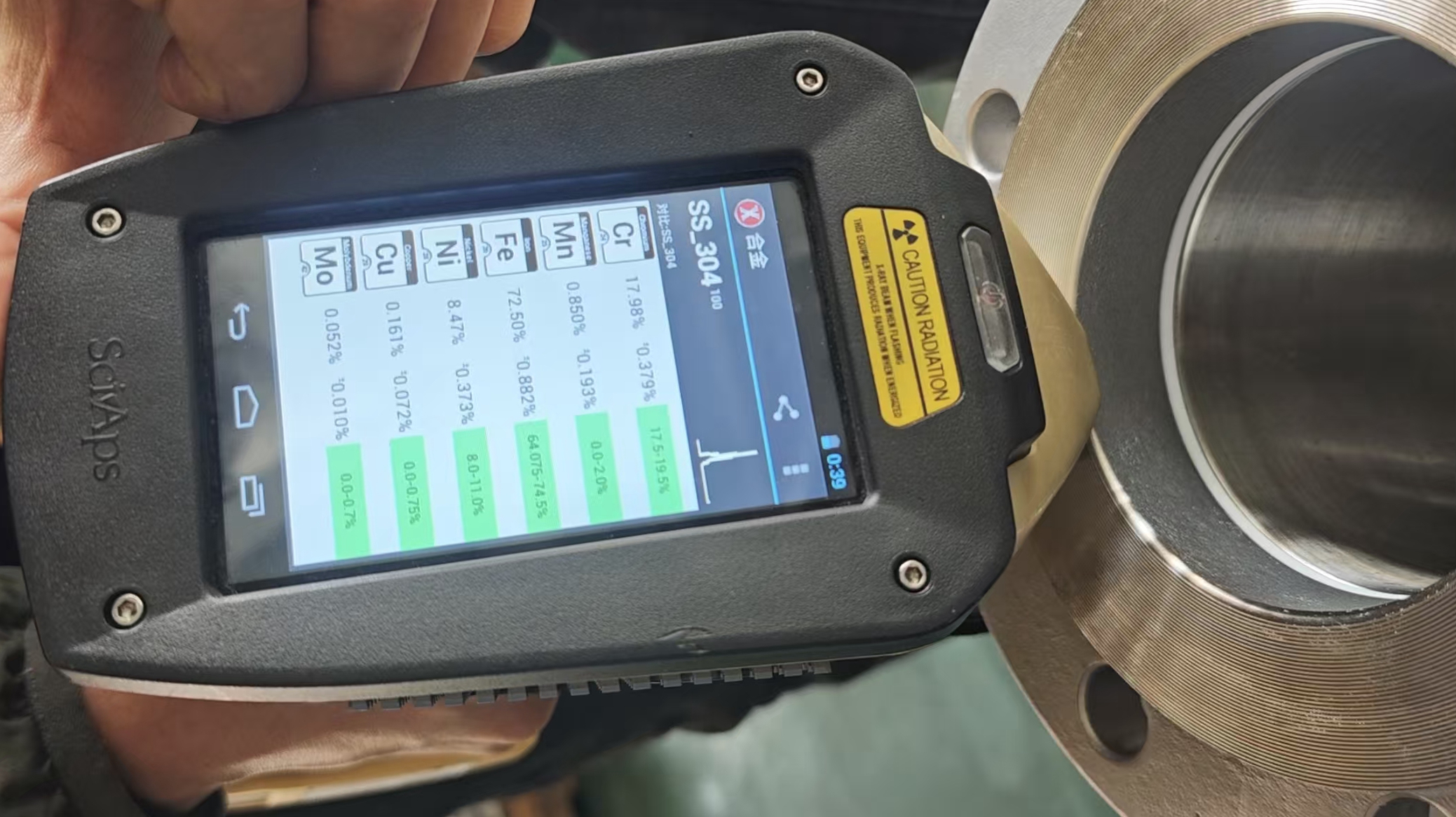
The stainless steel construction ensures excellent resistance against corrosion, high temperatures, and chemical exposure, making them ideal for demanding industrial environments. The flanged connection type further enhances installation stability, reduces leakage risk, and simplifies maintenance operations.


2. Structural Design and Working Mechanism

The core structure of a 3-way ball valve consists of a spherical ball with a central bore, a valve body, sealing seats, a stem, and flanged end connections. When the stem rotates, the ball inside shifts position, aligning the internal passage with different ports to control flow direction.

Key components include:

  • Valve body made of stainless steel (304 or 316)
  • Precision-machined spherical ball
  • PTFE or reinforced sealing seats
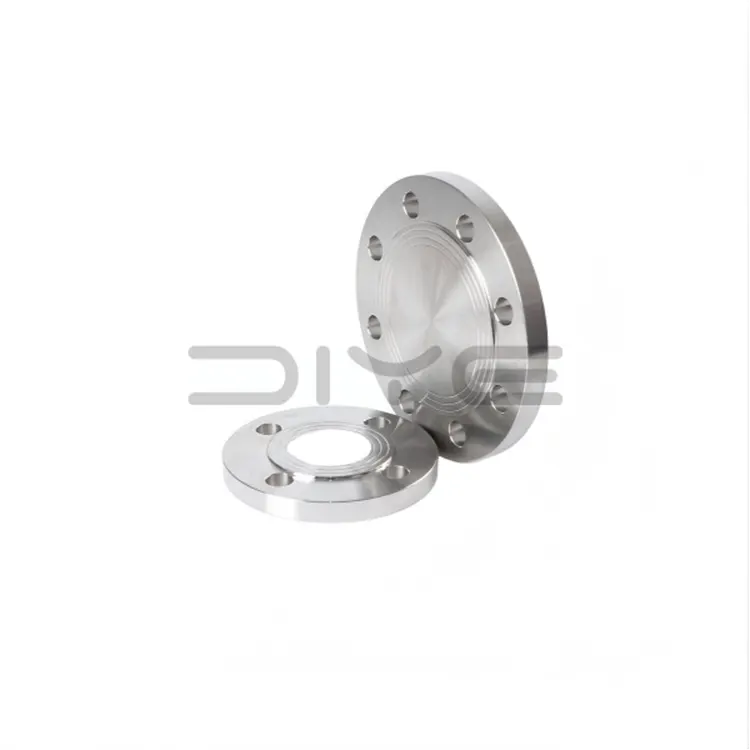
  • Flanged ends for secure pipeline connection
  • Manual or automated actuator system

The working mechanism is simple yet highly efficient. A 90° or 180° rotation determines whether flow is redirected, mixed, or isolated depending on valve configuration.


3. Types and Flow Patterns

There are two primary flow configurations in 3-way ball valves, each serving different operational requirements.

  • L-Port Design: Used for diverting flow between two outlets but not mixing.
  • T-Port Design: Enables mixing, diversion, or full straight-through flow control.

The selection between L-port and T-port depends on whether the system requires distribution or blending of media streams.


4. Key Advantages in Industrial Applications

The widespread use of stainless steel flanged 3-way ball valves is driven by their unmatched combination of durability and operational flexibility.

  • High corrosion resistance in aggressive environments
  • Strong sealing performance to prevent leakage
  • Long service life with minimal maintenance
  • Flexible flow direction control
  • Compatibility with automation systems
  • High-pressure and high-temperature resistance

These advantages significantly reduce downtime and operational risks in industrial systems.


5. Application Scenarios Across Industries

3-way stainless steel flanged ball valves are widely used in various industrial sectors due to their adaptability and reliability.

  • Chemical processing plants for corrosive fluid control
  • Water treatment systems for distribution and filtration control
  • Oil and gas pipelines for flow redirection
  • Food and beverage processing for hygienic fluid transfer
  • Pharmaceutical systems requiring sterile flow control
  • HVAC systems for temperature regulation circuits

6. How to Choose the Right Valve

Selecting the correct 3-way stainless steel flanged ball valve requires careful evaluation of operational conditions.

  • Material Grade: 304 for general use, 316 for corrosive environments
  • Pressure Rating: Match system pressure requirements
  • Temperature Range: Ensure sealing materials are compatible
  • Flow Type: L-port or T-port depending on system design
  • Actuation Method: Manual, pneumatic, or electric

7. Installation Guidelines and Best Practices

Proper installation is essential to ensure long-term reliability and performance.

  • Ensure pipeline alignment before flange tightening
  • Use appropriate gasket materials for sealing
  • Avoid over-tightening bolts to prevent deformation
  • Flush pipeline before installation to remove debris
  • Test system pressure after installation

8. Maintenance and Troubleshooting

Regular maintenance extends valve lifespan and ensures operational safety.

  • Inspect seals for wear or leakage
  • Lubricate moving components when required
  • Check flange connections periodically
  • Remove buildup or residue inside valve body
  • Replace damaged seats promptly

Common issues include leakage, stiffness in rotation, and reduced sealing efficiency, which are often preventable through routine inspection.
9. Comparison with Other Valve Types

Valve Type Flow Control Durability Maintenance Best Use Case
3-Way Ball Valve High flexibility Excellent Low Multi-direction flow systems
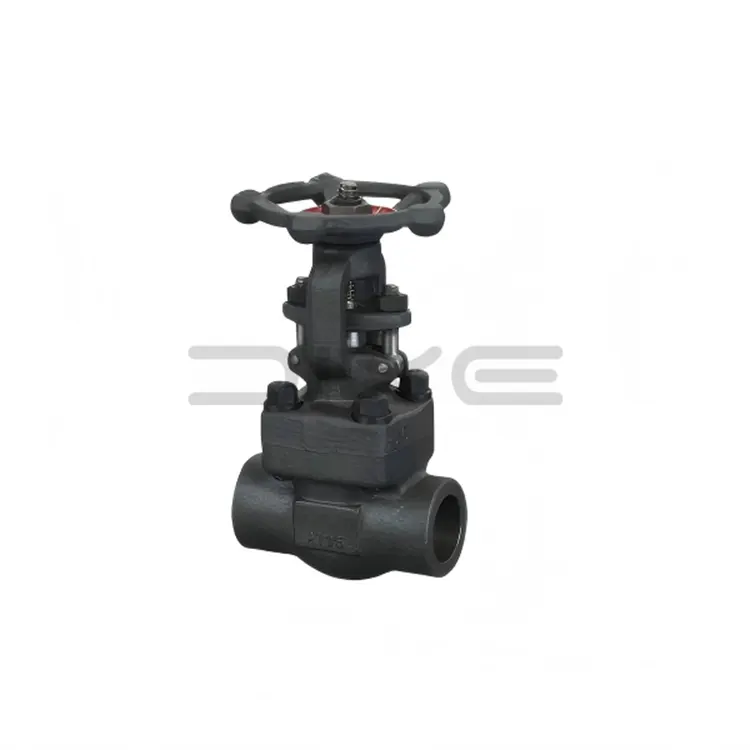
Gate Valve On/Off only High Medium Isolation systems
Globe Valve Precise throttling Moderate High Flow regulation

10. Technical Specifications Overview

Parameter Specification
Material Stainless Steel 304 / 316
Size Range DN15 - DN300
Pressure Rating PN16 - PN40
Temperature Range -20°C to 200°C
Connection Type Flanged (ANSI / DIN / JIS)

11. Frequently Asked Questions

Q1: What is the main function of a 3-way stainless steel flanged ball valve?
It controls and redirects fluid flow between multiple pipeline directions.

Q2: Can these valves handle corrosive fluids?
Yes, stainless steel construction makes them highly resistant to corrosion.

Q3: What is the difference between L-port and T-port?
L-port diverts flow, while T-port allows mixing and multi-direction flow control.

Q4: Are these valves suitable for automation?
Yes, they can be equipped with pneumatic or electric actuators.

Q5: How long is the service life?
With proper maintenance, they can last many years even in harsh conditions.


12. Conclusion and Professional Recommendation

3-Way Stainless Steel Flanged Ball Valves are indispensable components in modern industrial flow systems. Their ability to control complex flow paths, withstand harsh environments, and maintain long-term operational stability makes them a preferred choice across multiple industries.

For industries seeking reliable performance, reduced maintenance costs, and enhanced system efficiency, investing in high-quality valve solutions is essential.

Wenzhou Diye Valve And Fittings Co.,Ltd. is committed to providing durable and precision-engineered valve products that meet demanding industrial requirements. With advanced manufacturing processes and strict quality control, the company ensures stable performance and long service life for every valve delivered.

If you are looking for professional valve solutions tailored to your system requirements, contact us today to get expert support and product recommendations for your application needs.

Related News
Leave me a message
X
We use cookies to offer you a better browsing experience, analyze site traffic and personalize content. By using this site, you agree to our use of cookies. Privacy Policy
Reject Accept