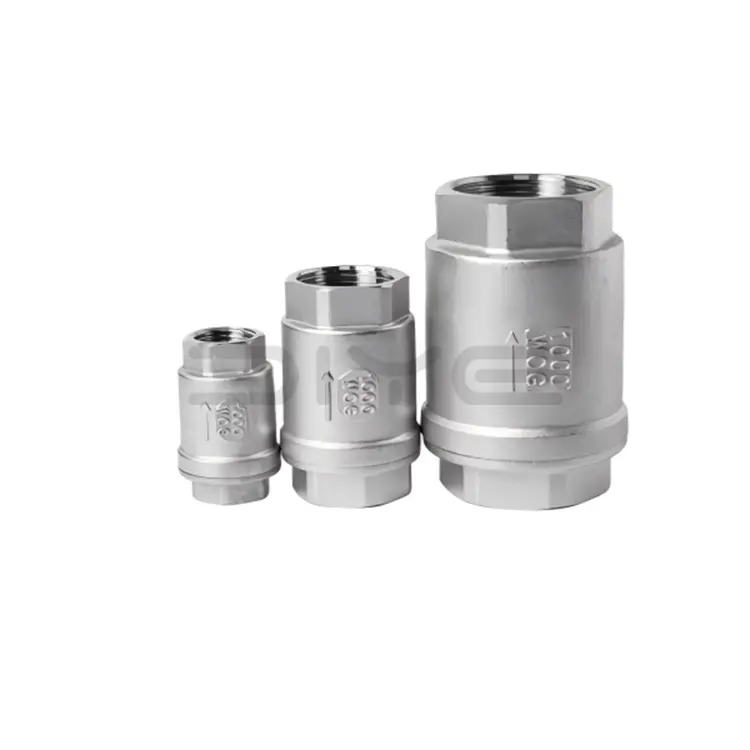
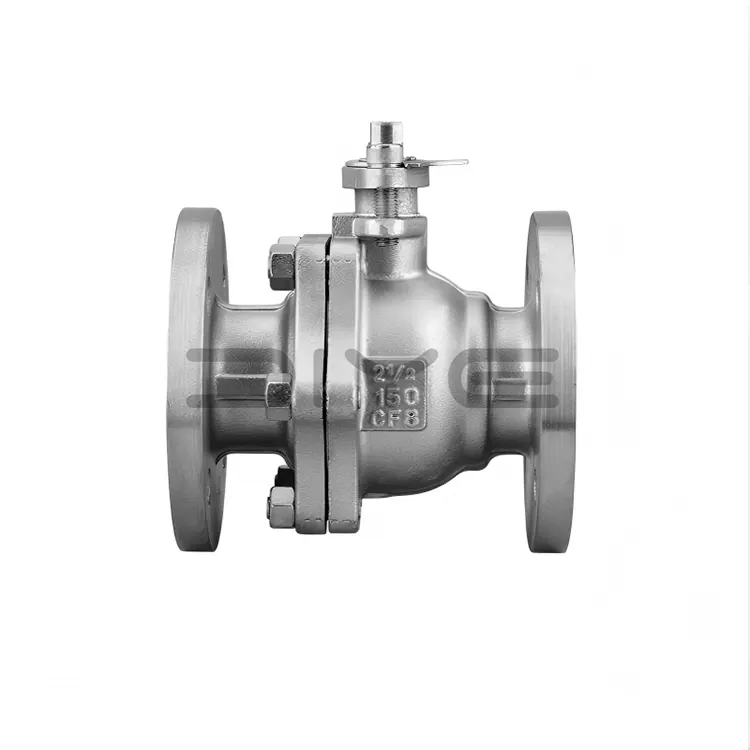
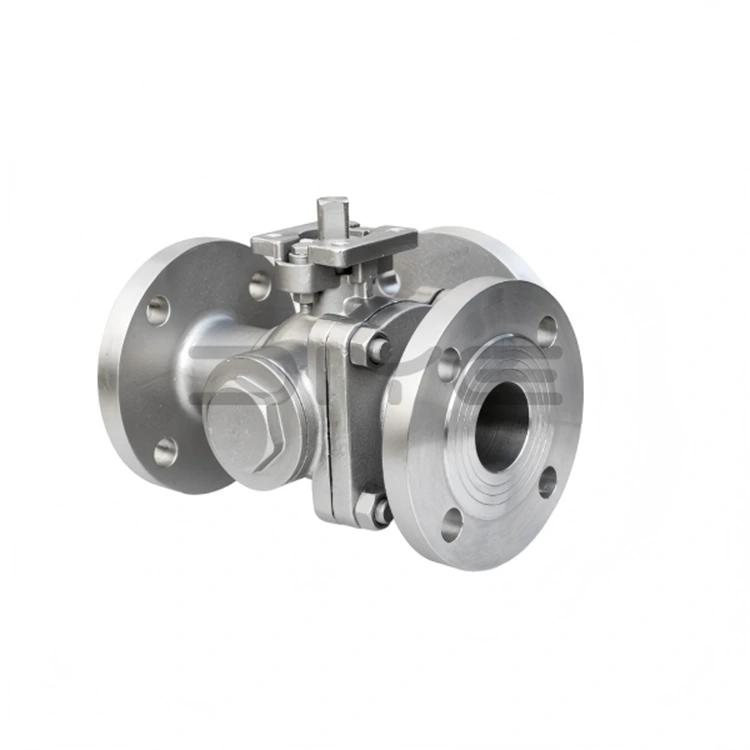
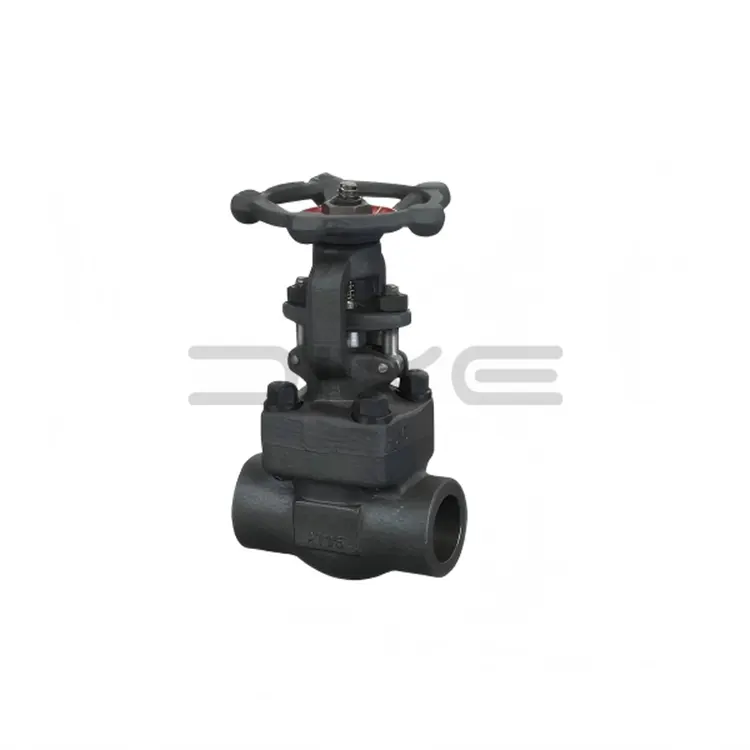
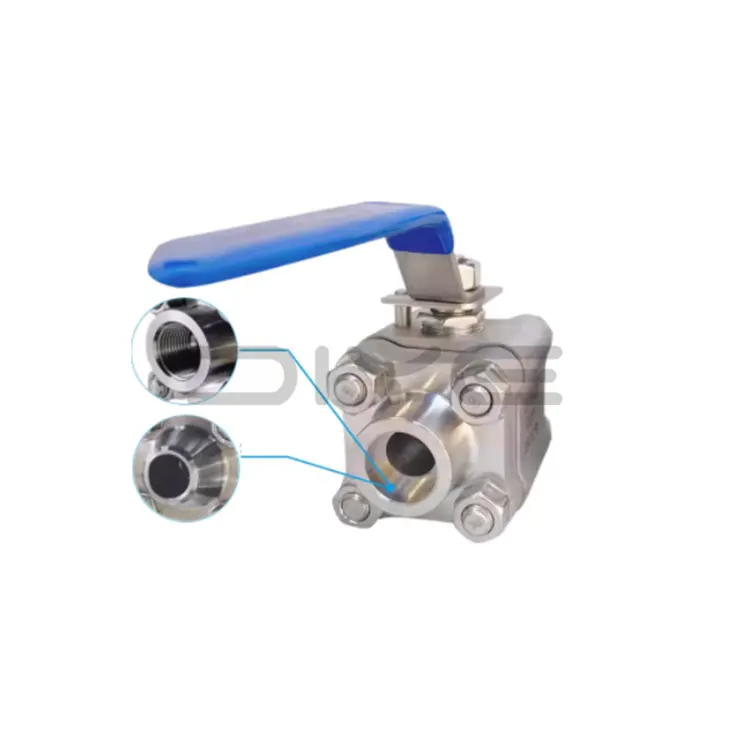
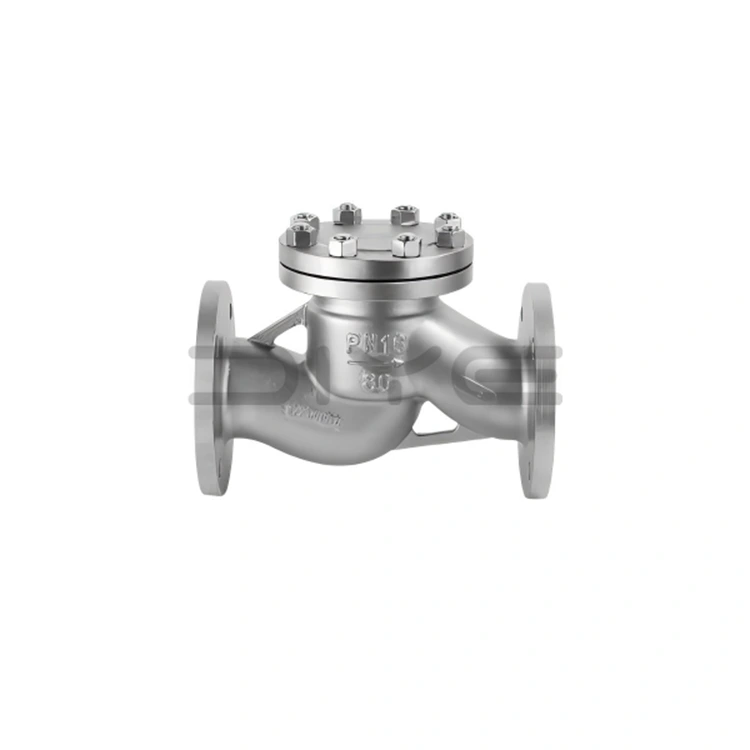
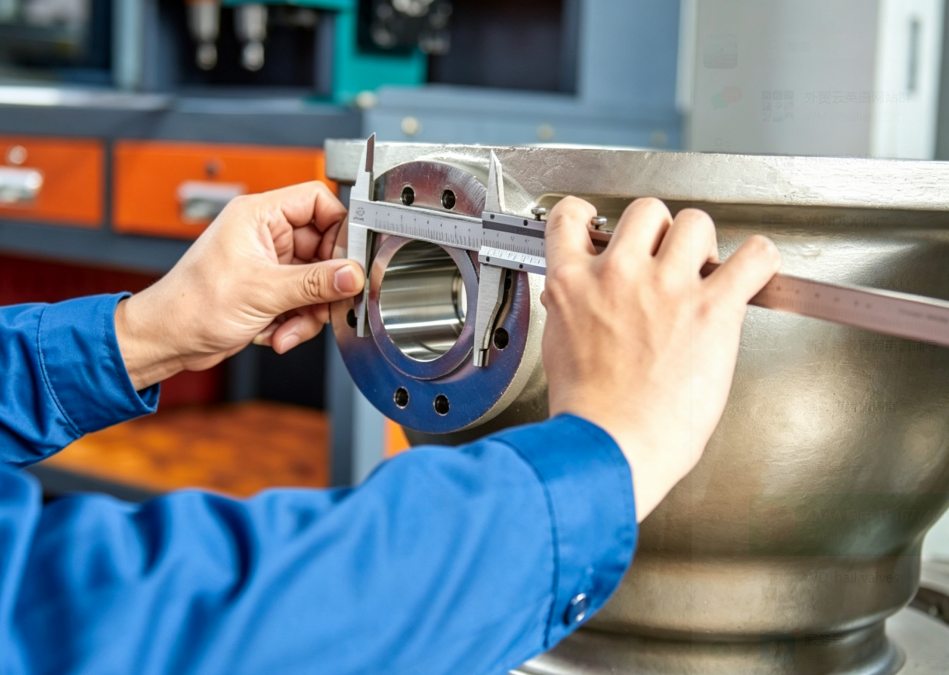
A GOST Stainless Steel Lift Check Valve helps prevent reverse flow, protect pumps and connected equipment, and maintain reliable operation in demanding pipeline systems. Choosing the right valve requires more than checking its material and nominal pressure. Buyers must also evaluate the applicable GOST standards, flange dimensions, process media, operating temperature, flow conditions, sealing performance, and installation requirements. This guide explains how lift check valves work, where they are used, how to select suitable specifications, and what to verify before purchasing.

1. Understanding a GOST Stainless Steel Lift Check Valve
A GOST Stainless Steel Lift Check Valve is an automatic, one-way flow control device designed to prevent fluid from moving backward through a pipeline. It combines a lift-type closure mechanism with stainless steel construction and connection requirements specified for the intended project.
Unlike manually operated valves, a check valve does not require an operator to open or close it during normal operation. The valve responds to changes in fluid pressure and flow. When the forward pressure is sufficient, the disc lifts from its seat. When forward flow decreases or reverse pressure develops, the disc returns toward the seat and restricts backflow.
The lift design is particularly relevant to industrial systems where controlled disc movement, dependable seating, and compact installation are important. Stainless steel can offer useful corrosion resistance, although its suitability depends on the exact alloy, fluid composition, temperature, and operating conditions.
A GOST designation should not be treated as a complete specification by itself. Confirm the applicable design standard, pressure-temperature rating, material requirements, flange standard, inspection criteria, and project documentation before approving a valve for installation.
2. How Does a Lift Check Valve Work?
The operating principle is straightforward, but the details of disc movement and closure depend on the valve's internal design.
Forward Flow Opens the Valve
When fluid enters from the designated inlet, the pressure difference across the disc creates an opening force. Once this force overcomes the disc's effective weight, spring resistance where applicable, and other opposing forces, the disc moves away from the seat. Fluid can then pass through the valve.
Reverse Flow Closes the Valve
When the forward flow slows, stops, or reverses, the opening force decreases. Gravity, reverse differential pressure, and a spring in spring-assisted designs can move the disc back toward its seat. This action helps prevent reverse flow and reduces the risk of fluid returning toward pumps or other upstream equipment.
Why Closure Performance Matters
A check valve that closes too slowly may allow significant reverse flow before seating. Abrupt closure, however, can also contribute to pressure surges. Correct sizing, suitable valve construction, and an understanding of system dynamics are therefore essential when water hammer or frequent pump cycling is a concern.
- Automatic operation: No external actuator is normally required.
- Backflow prevention: Helps protect upstream equipment and maintain intended flow direction.
- Compact construction: Lift designs can suit certain small- and medium-bore or high-pressure applications, depending on the model.
- Seat protection: Appropriate materials and surface finishes can improve resistance to wear under specified service conditions.
3. What GOST Requirements Should Buyers Check?
Industrial valve projects serving Russia and other markets using GOST-based specifications may require conformity with particular national or interstate standards. The correct requirements depend on the destination market, pipeline design code, procurement specification, and applicable regulations.
For example, the product information published by Wenzhou Diye Valve And Fittings Co.,Ltd. identifies GOST 33423-2015 as a relevant check-valve design reference and discusses GOST flange standards. Buyers should verify the exact standard editions and scope required for their own projects rather than assuming that every listed standard applies to every valve configuration.
| Specification Area | What to Verify | Why It Matters |
|---|---|---|
| Valve design | Applicable GOST design standard and edition | Defines the relevant design and technical requirements. |
| Flange connections | Specified GOST flange standard, nominal size, pressure designation, and facing | Helps ensure compatibility with mating pipeline flanges. |
| Pressure and temperature | Approved pressure-temperature rating for the selected material and design | Prevents selection based on nominal pressure alone. |
| Materials | Body, disc, seat, gasket, and spring material specifications | Supports corrosion resistance and mechanical suitability. |
| Testing | Required shell, seat leakage, and other specified inspection tests | Provides evidence of performance against the purchase specification. |
| Certification | Required conformity documents, traceability records, and market-specific approvals | Supports project acceptance and regulatory compliance where applicable. |
GOST, ISO, API, and ASME references are not automatically interchangeable. If a project requires multiple standards, obtain written confirmation that the offered valve meets each applicable requirement. Where certification or conformity assessment is mandatory, verify the document's validity, scope, and applicability to the exact product.
4. How to Select the Right Stainless Steel Grade
Material selection directly affects valve service life, maintenance frequency, and resistance to process-related damage. Stainless steel is not a single material with identical performance across all environments.
304 Stainless Steel
Grade 304 is a widely used austenitic stainless steel for general industrial applications. It can be appropriate for many water, utility, and relatively mild chemical services. Its limitations should be evaluated when chloride exposure, aggressive chemicals, or demanding temperature conditions are present.
316 Stainless Steel
Grade 316 contains molybdenum, which generally improves resistance to localized corrosion in chloride-containing environments compared with 304. It is often considered for more demanding chemical and process applications. However, 316 is not universally resistant to corrosion, and the exact fluid composition, concentration, temperature, and cleaning regime must be reviewed.
321 Stainless Steel
Grade 321 is titanium-stabilized stainless steel and may be suitable for certain elevated-temperature applications. Its suitability depends on the valve's complete construction, the specified material standard, pressure-temperature limits, and the process environment.
| Material | Typical Consideration | Important Limitation |
|---|---|---|
| 304 / equivalent specified grade | General industrial service and many utility systems | Check chloride exposure and chemical compatibility. |
| 316 / equivalent specified grade | Applications needing improved resistance to certain corrosive environments | Not suitable for every chemical or chloride concentration. |
| 321 / equivalent specified grade | Selected applications where elevated-temperature behavior is important | Confirm the applicable pressure-temperature rating and exact material specification. |
When comparing supplier quotations, check the actual material designation and governing material standard rather than relying on a grade name alone. Body material and internal trim may differ, so request a complete material list and material test certificates when required.
5. Where Are These Valves Commonly Used?
GOST Stainless Steel Lift Check Valves can be considered for pipeline systems that require automatic backflow prevention and stainless steel wetted components, provided the selected model matches the process conditions.
Oil and Gas Facilities
Check valves can help prevent reverse flow in utility lines, process auxiliaries, and selected fluid-handling systems. Hydrocarbon compatibility, hazardous-area requirements, pressure rating, and the applicable pipeline code must all be assessed.
Chemical Processing
Stainless steel construction may be suitable for selected chemical transfer and circulation systems. Buyers should evaluate chemical concentration, temperature, corrosion mechanisms, gasket compatibility, and the possibility of solids in the medium.
Power Generation and Industrial Utilities
Depending on the approved design, lift check valves may be used in water, condensate, steam-related, and other utility systems. High-temperature service requires particular attention to material properties, seat design, thermal cycling, and pressure-temperature limits.
Water Treatment and General Process Pipelines
Where process water or treatment chemicals are involved, the selected alloy should be checked against water chemistry and operating conditions. Solids, scale, or debris may interfere with disc movement and seating, making filtration and maintenance considerations important.
The key principle is to select the valve for the actual duty, not just the industry name. Two pipelines in the same facility may require different materials, pressure ratings, sealing arrangements, and valve designs.
6. How to Choose the Right Valve for Your Project
A well-defined purchase specification reduces the risk of incorrect dimensions, unsuitable materials, commissioning delays, and unexpected maintenance costs. Work through the following factors before requesting a quotation.
Step 1: Define the Process Medium
Identify whether the line carries water, oil, gas, steam, chemicals, or another medium. Include chemical composition, concentration, viscosity, solids content, and any special cleanliness requirements.
Step 2: Confirm Operating Conditions
Provide normal and maximum operating pressure, minimum and maximum temperature, design conditions, and any transient pressure events. A nominal pressure marking alone does not establish suitability at every temperature.
Step 3: Specify Size and Connections
Confirm the nominal diameter, flange standard, pressure designation, facing type, face-to-face dimension, and installation space. Even when two flanges share a nominal size, their dimensions or sealing faces may not be compatible.
Step 4: Evaluate Flow and Closure Behavior
Provide the expected flow rate, available differential pressure, pump characteristics, and potential for reverse flow or water hammer. Lift check valves require sufficient opening force. Undersizing or operating at insufficient differential pressure can result in restricted flow, unstable disc movement, or poor performance.
Step 5: Confirm Documentation and Testing
List the required inspection and test standards, material certificates, drawings, identification markings, and conformity documents. Clarify whether third-party inspection or additional project-specific testing is necessary.
- Required GOST standard and edition
- Nominal diameter and flange dimensions
- Design pressure and operating temperature range
- Process medium and corrosion considerations
- Body, disc, seat, gasket, and spring materials
- Horizontal or vertical installation requirements
- Flow rate, differential pressure, and closure requirements
- Inspection, testing, certification, and delivery requirements
7. Lift Check Valve vs. Swing Check Valve
Both valve types prevent reverse flow, but their internal mechanisms differ. Understanding these differences helps engineers choose a configuration that suits the available space, fluid characteristics, and system dynamics.
| Comparison Factor | Lift Check Valve | Swing Check Valve |
|---|---|---|
| Closing mechanism | A disc moves approximately along the flow axis toward or away from its seat. | A hinged disc swings away from or back toward its seat. |
| Flow resistance | Can be relatively high because of the internal flow path and disc arrangement. | Often lower in suitable designs, particularly in larger pipelines. |
| Typical application considerations | Selected compact, small-bore, or higher-pressure applications. | Many general pipeline applications, including larger-bore lines. |
| Installation | Orientation requirements depend on the design; gravity-operated types commonly require specific positioning. | Orientation also depends on the design and manufacturer instructions. |
| Selection priority | Verify opening differential pressure, disc movement, and seat performance. | Verify disc clearance, closure behavior, and available installation space. |
Neither type is automatically superior in every application. A lift check valve may be appropriate where its compact arrangement and seating characteristics meet the duty. A swing check valve may be preferable where lower flow resistance is a priority. Final selection should be based on hydraulic calculations, operating conditions, and the manufacturer's documented performance.
8. Installation and Maintenance Best Practices
Correct installation is essential for reliable operation. A suitable valve can still fail prematurely if it is installed against the flow direction, subjected to pipe strain, or operated under conditions outside its design limits.
Verify the Flow Direction
Check the flow arrow marked on the valve body and confirm that it matches the intended direction of flow. Never assume that a valve can be installed in either direction simply because its flanges fit the pipeline.
Follow the Approved Installation Orientation
Many conventional lift check valves are intended for horizontal installation, while certain designs can be used in vertical lines with an approved flow direction. A standard gravity-operated valve should not be assumed suitable for downward vertical flow. Always follow the installation drawing for the exact model.
Keep the Pipeline Clean
Remove welding debris, scale, and other foreign material before commissioning. Particles trapped between the disc and seat can prevent complete closure, increase leakage, or damage sealing surfaces.
Avoid Excessive Pipe Stress
Align mating flanges correctly and tighten fasteners in an appropriate sequence using the specified gasket and bolting requirements. The valve should not be used to compensate for misaligned piping or excessive mechanical loads.
Inspect Performance During Operation
Monitor abnormal noise, vibration, pressure fluctuations, unexpected reverse flow, and leakage. These symptoms can indicate incorrect sizing, unstable flow, contamination, worn sealing surfaces, or an unsuitable installation arrangement.
Establish a Maintenance Schedule
- Inspect the valve according to the service severity and maintenance plan.
- Check the disc, seat, guides, spring where fitted, and gasket condition when inspection is required.
- Replace damaged components with parts approved for the specific model.
- Use the manufacturer's inspection and reassembly instructions.
- Depressurize, isolate, drain, and verify safe conditions before opening the valve.
Preventive maintenance intervals should reflect operating history, fluid cleanliness, cycling frequency, and the consequences of failure rather than relying on one universal interval.
9. What Should Buyers Confirm Before Ordering?
For industrial procurement teams, the lowest initial price is not necessarily the lowest-cost option over the service life of the equipment. A valve that matches the specified duty, arrives with the correct documentation, and can be maintained appropriately is more likely to support dependable operation.
Specification Consistency
Ensure that the quotation, technical datasheet, general arrangement drawing, material list, and purchase order describe the same configuration. Pay particular attention to pressure ratings, flange dimensions, material grades, and test requirements.
Traceability and Quality Records
Where required, request material test certificates, inspection reports, pressure-test records, product identification details, and applicable conformity documentation. Confirm that these records correspond to the supplied valve and its actual material and design specifications.
Lead Time and After-Sales Support
Ask the supplier to confirm manufacturing lead time, packaging, export documentation, spare-parts availability, warranty terms, and procedures for resolving quality issues. For projects with strict delivery schedules, clarify inspection and approval milestones before production begins.
Technical Communication
Provide a complete technical inquiry rather than requesting a quotation using only the product name. A clear inquiry enables the manufacturer to identify specification gaps before they become procurement or commissioning problems.
Wenzhou Diye Valve And Fittings Co.,Ltd. offers product information for its GOST Stainless Steel Lift Check Valve range. Buyers can use the relevant product datasheet and technical discussions to confirm the configuration required for their pipeline, including applicable standards, materials, dimensions, and documentation.
10. Frequently Asked Questions
Q1: What is the main purpose of a GOST Stainless Steel Lift Check Valve?
Its main purpose is to allow flow in the intended direction and restrict reverse flow automatically. It can help protect pumps, process equipment, and pipeline systems from backflow-related problems.
Q2: Does a GOST Stainless Steel Lift Check Valve require manual operation?
No. It normally operates automatically in response to the pressure difference and flow conditions. The disc opens when sufficient forward-flow force is available and returns toward the seat when that force decreases or reverse pressure develops.
Q3: Is 316 stainless steel always better than 304?
No. Grade 316 generally offers improved resistance to certain chloride-related corrosion mechanisms, but it may not be necessary for every application. Selection should be based on fluid chemistry, temperature, mechanical requirements, applicable material standards, and total cost.
Q4: Can a lift check valve be installed in a vertical pipeline?
Some models can be installed vertically, but the permitted orientation depends on the internal design. Gravity-operated models commonly require upward flow in vertical lines. Confirm the exact manufacturer's instructions before installation, especially for downward flow or spring-assisted designs.
Q5: Which specifications are most important when requesting a quotation?
Provide the nominal diameter, required GOST standards, pressure and temperature conditions, process medium, stainless steel grade, flange dimensions, installation orientation, flow rate, and testing or certification requirements. These details help the supplier recommend a technically suitable configuration.
Q6: Does a GOST designation automatically guarantee project compliance?
No. Compliance depends on the applicable standards, product design, manufacturing requirements, inspection records, and any mandatory market-specific conformity assessment. Buyers should review the actual technical documentation and confirm that it covers their project requirements.
Q7: Can a lift check valve eliminate water hammer?
Not necessarily. Appropriate closure behavior may help reduce some backflow-related effects, but water hammer also depends on fluid velocity, pipeline layout, pump operation, and system transients. A complete hydraulic assessment may be needed to determine whether additional mitigation measures are required.
Q8: How can buyers reduce the risk of premature valve failure?
Choose materials compatible with the medium, verify the pressure-temperature rating, size the valve correctly, follow the approved installation orientation, keep the pipeline clean, and maintain the valve according to the manufacturer's instructions. Requesting the correct inspection and material records also supports quality control.
Discuss Your GOST Stainless Steel Lift Check Valve Requirements
Selecting the right industrial check valve starts with a clear understanding of your pipeline conditions and project specifications. From stainless steel grade and pressure rating to GOST flange compatibility and inspection documentation, each detail can affect safety, reliability, and long-term operating costs.
Wenzhou Diye Valve And Fittings Co.,Ltd. can help you review your requirements and identify the product details that need confirmation before ordering. Prepare your technical datasheet, operating conditions, and applicable standards to make the selection process more efficient.
Need a valve solution for your next project? Contact us to discuss your specifications, request product information, and confirm the configuration required for your application.