Why Is Forged Steel Valve the Backbone of Reliable Industrial Flow Control?
Forged steel valves are widely recognized for their exceptional strength, durability, and performance in demanding industrial environments. From oil and gas to power generation and chemical processing, these valves play a critical role in ensuring safe and efficient flow control. This comprehensive guide explores what forged steel valves are, how they work, their advantages over cast valves, key applications, selection criteria, maintenance practices, and how to choose the right supplier. Whether you are an engineer, procurement manager, or project owner, this article addresses common pain points and provides practical solutions to help you make informed decisions.
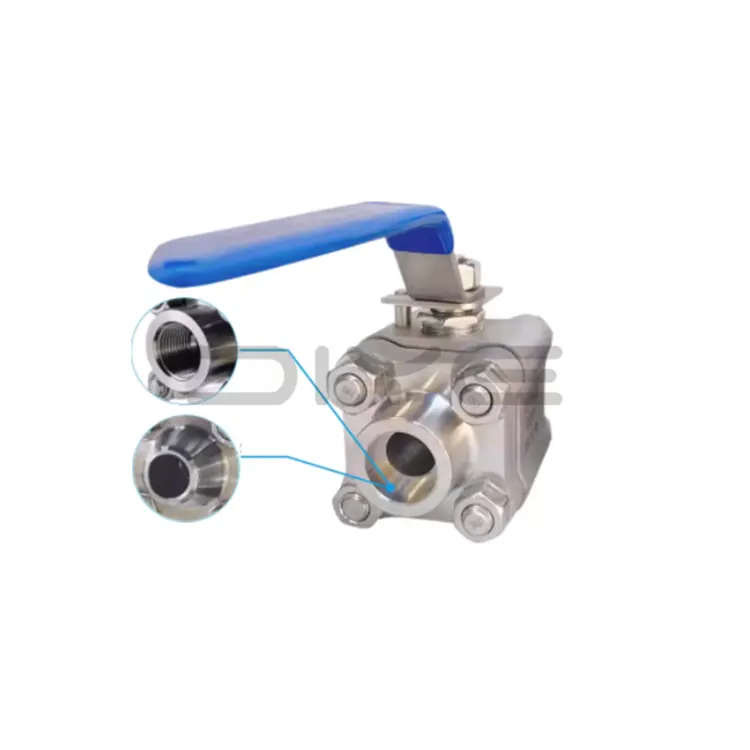
Table of Contents
- 1. What Is a Forged Steel Valve?
- 2. Why Forged Steel Valves Stand Out
- 3. How Forged Steel Valves Work
- 4. Forged vs Cast Valves: Key Differences
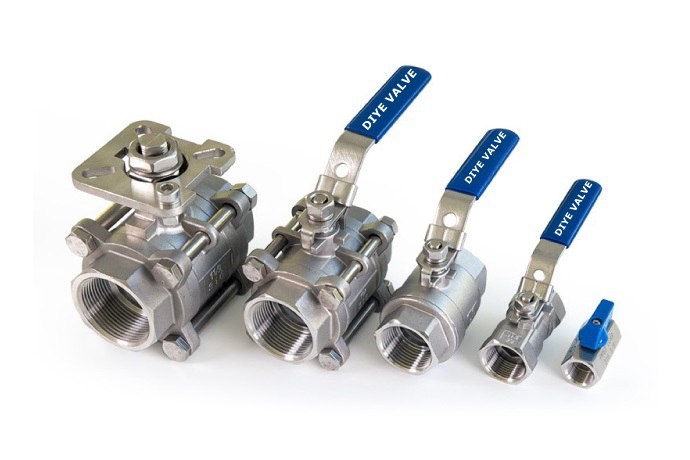
- 5. Types of Forged Steel Valves
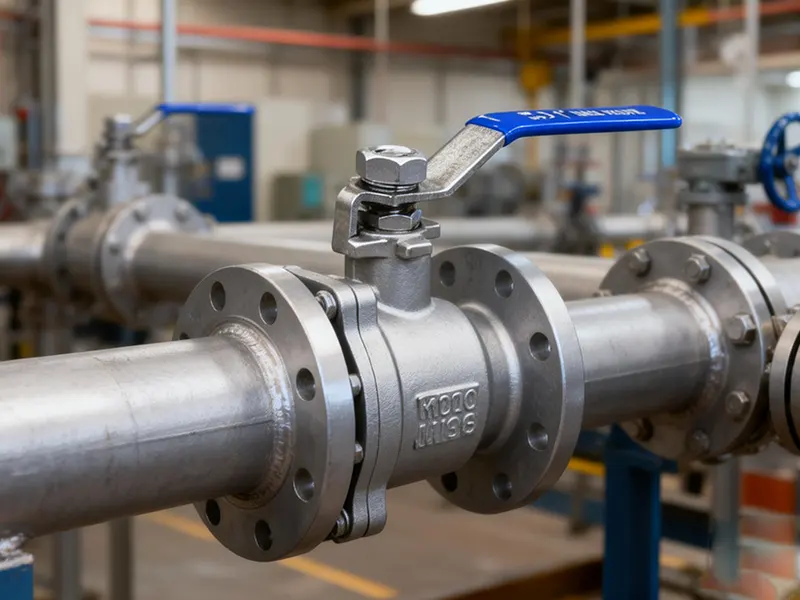
- 6. Applications Across Industries
- 7. Key Selection Criteria
- 8. Common Problems and Solutions
- 9. Installation and Maintenance Tips
- 10. Quality Standards and Certifications
- 11. Why Choose a Reliable Manufacturer
- 12. Conclusion
- 13. FAQ
1. What Is a Forged Steel Valve?
A forged steel valve is a type of industrial valve manufactured through a forging process where steel is shaped under high pressure. This method refines the grain structure, eliminates internal defects, and enhances the overall mechanical properties of the material.
Unlike cast valves, forged valves are known for their superior strength, impact resistance, and reliability, especially in high-pressure and high-temperature environments.
- High structural integrity
- Improved fatigue resistance
- Enhanced leak prevention
2. Why Forged Steel Valves Stand Out
Industrial buyers often face issues like leakage, cracking, or premature failure. Forged steel valves address these concerns effectively.
| Feature | Benefit |
|---|---|
| Dense Material Structure | Reduces risk of porosity and leakage |
| High Strength | Handles extreme pressure conditions |
| Durability | Longer service life |
| Thermal Stability | Reliable in high-temperature systems |
For industries where failure is not an option, forged steel valves offer peace of mind and operational safety.
3. How Forged Steel Valves Work
The working principle of a forged steel valve depends on its type, but generally involves controlling fluid flow through opening, closing, or partially obstructing passageways.
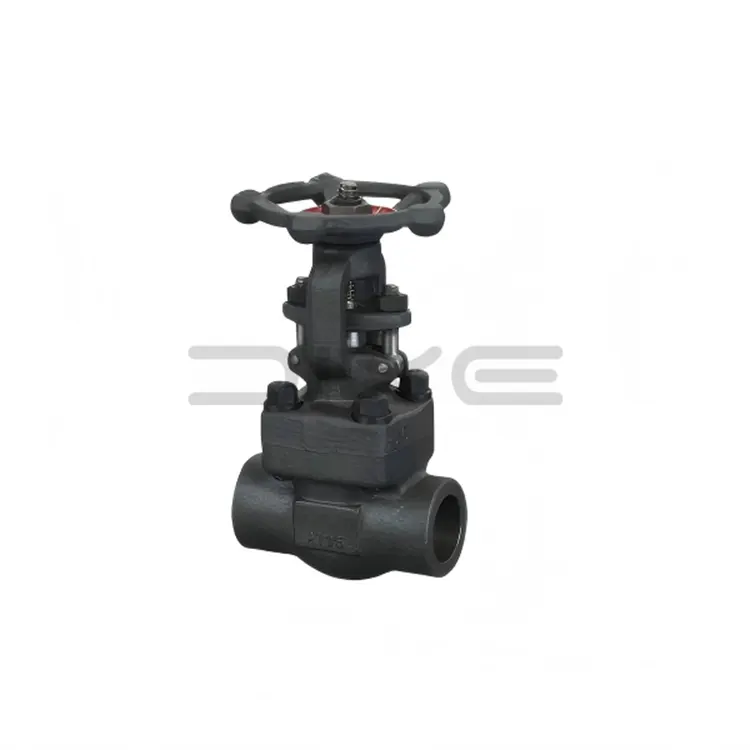
- Gate Valve: Uses a gate to block flow
- Globe Valve: Regulates flow using a movable disk
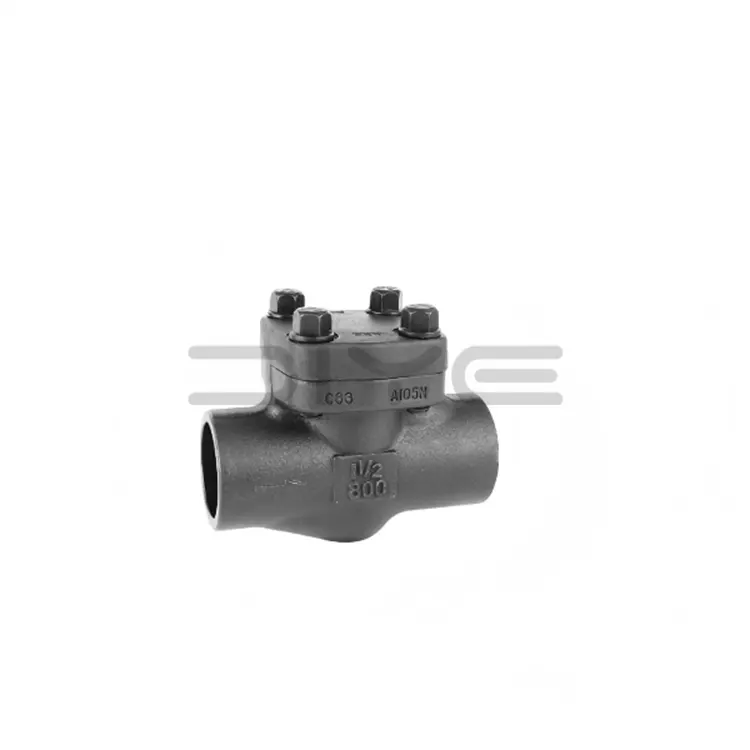
- Check Valve: Prevents backflow
The forged body ensures that internal components remain stable under stress, maintaining consistent performance.
4. Forged vs Cast Valves: Key Differences
| Aspect | Forged Steel Valve | Cast Valve |
|---|---|---|
| Manufacturing Process | Forging under pressure | Molten metal casting |
| Strength | Higher | Moderate |
| Defects | Minimal | Possible porosity |
| Cost | Higher upfront | Lower |
| Applications | Critical systems | General use |
While cast valves may be cost-effective initially, forged valves provide better long-term value in demanding environments.
5. Types of Forged Steel Valves
- Gate Valves
- Globe Valves
- Check Valves
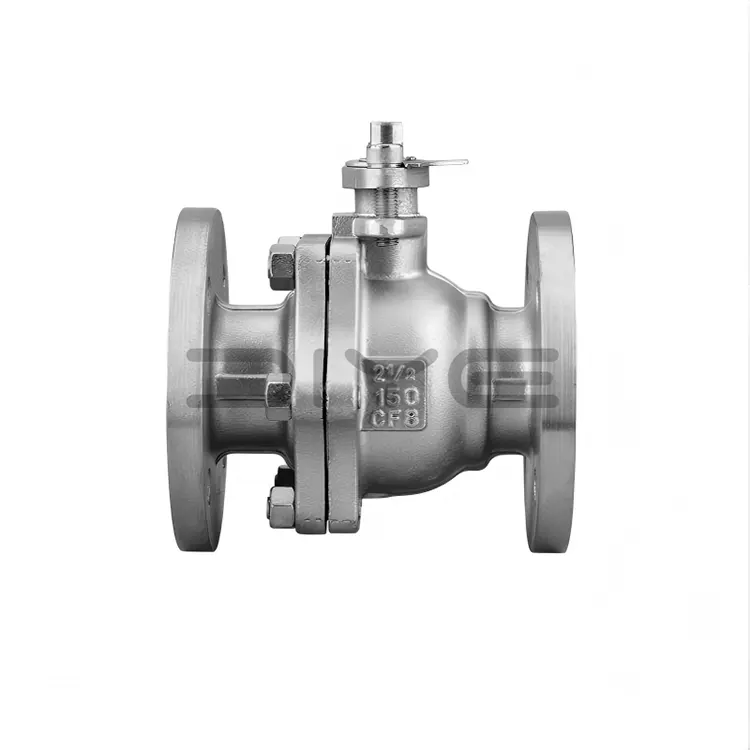
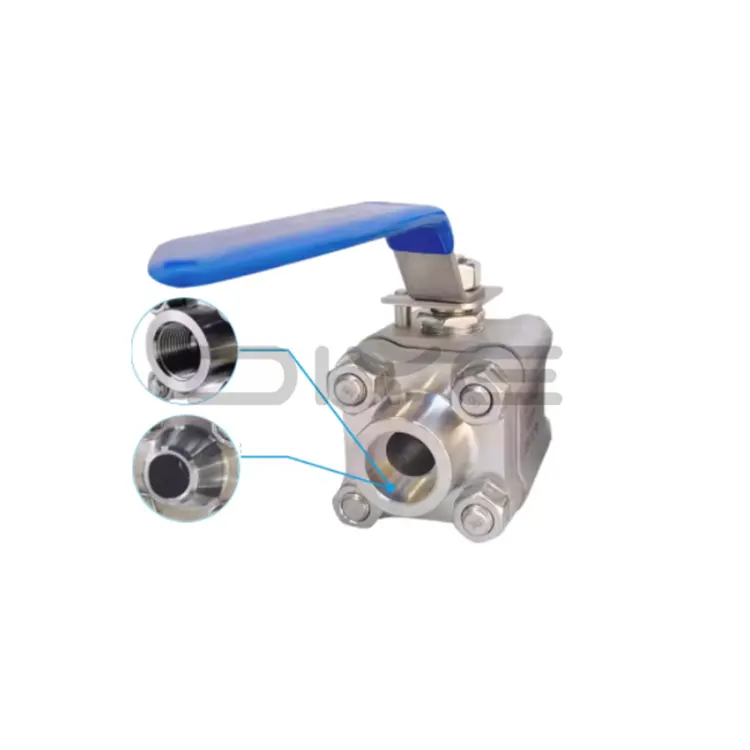
- Ball Valves
Each type serves a unique purpose, and selecting the right one depends on flow requirements and system conditions.
6. Applications Across Industries
Forged steel valves are widely used in:
- Oil and Gas pipelines
- Petrochemical plants
- Power generation facilities
- Marine engineering
- Water treatment systems
Their ability to withstand harsh environments makes them indispensable in critical operations.
7. Key Selection Criteria
Choosing the right forged steel valve involves several considerations:
- Pressure rating
- Temperature range
- Material compatibility
- Connection type
- Industry standards compliance
Failure to consider these factors can lead to operational inefficiencies or safety risks.
8. Common Problems and Solutions
| Problem | Cause | Solution |
|---|---|---|
| Leakage | Seal wear | Replace sealing components |
| Corrosion | Harsh media | Use corrosion-resistant alloys |
| Valve Sticking | Lack of maintenance | Regular lubrication |
9. Installation and Maintenance Tips
- Ensure proper alignment during installation
- Avoid over-tightening connections
- Perform regular inspections
- Lubricate moving parts periodically
Preventive maintenance significantly extends valve lifespan.
10. Quality Standards and Certifications
High-quality forged steel valves comply with international standards such as:
- API standards
- ASME specifications
- ISO certifications
These certifications ensure reliability and safety in industrial applications.
11. Why Choose a Reliable Manufacturer
Partnering with a trusted manufacturer like Wenzhou Diye Valve And Fittings Co.,Ltd. ensures consistent quality, technical support, and customized solutions.
- Advanced manufacturing technology
- Strict quality control
- Global supply capability
Choosing the right supplier minimizes risks and enhances operational efficiency.
12. Conclusion
Forged steel valves are essential components in modern industrial systems. Their unmatched strength, durability, and reliability make them the preferred choice for critical applications. By understanding their features, benefits, and selection criteria, businesses can make smarter decisions and improve system performance.
13. FAQ
Q1: What is the main advantage of forged steel valves?
A: Their superior strength and resistance to high pressure and temperature.
Q2: Are forged steel valves more expensive?
A: Yes, but they offer better long-term value due to durability.
Q3: Where are forged steel valves commonly used?
A: In oil & gas, power plants, and chemical industries.
Q4: How often should maintenance be performed?
A: Regular inspections are recommended every 3–6 months depending on usage.
Q5: Can forged steel valves handle corrosive media?
A: Yes, when made with appropriate alloy materials.
Looking for high-performance forged steel valves tailored to your project needs? Contact us at Wenzhou Diye Valve And Fittings Co.,Ltd. today to get expert guidance, competitive pricing, and reliable solutions that ensure your system operates safely and efficiently.
Related News
- What Is a Forged Steel Gate Valve and How Does It Support Reliable Industrial Flow Control?
- Stainless Steel ANSI 150LB Flanged Y Strainer for Reliable Pipeline Filtration
- Stainless Steel Ball Valve Complete Testing Process | Standard Inspection & Quality Assurance
- Sanitary 3-Piece Butterfly Valve for Hygienic Fluid Control Systems
- Stainless Steel Grade Selection for Gate Valves
- Sanitary Union Check Valve Trends in Modern Hygienic Fluid Processing
Leave me a message