Why Are Stainless Steel Mini Ball Valves the Best Choice for Compact Flow Control?
Stainless steel mini ball valves have become essential components in modern fluid control systems where space is limited but performance demands are high. This article explores their structure, working principles, benefits, applications, and selection criteria. It also addresses common user pain points such as leakage, corrosion, pressure instability, and installation difficulties. By the end, readers will have a clear understanding of how these compact valves improve system efficiency, reliability, and long-term operational safety across industrial and residential applications.
Article Outline
- 1. Introduction to Stainless Steel Mini Ball Valves
- 2. Structural Design and Working Principle
- 3. Key Benefits and Performance Advantages
- 4. Industrial and Commercial Applications
- 5. Comparison with Other Valve Types
- 6. How to Choose the Right Mini Ball Valve
- 7. Installation and Maintenance Guidelines
- 8. Common Problems and Troubleshooting
- 9. Future Trends in Mini Valve Technology
- 10. Frequently Asked Questions
- 11. Conclusion and Professional Recommendation
1. Introduction to Stainless Steel Mini Ball Valves
In modern fluid control systems, space efficiency and reliability are critical. Stainless steel mini ball valves are compact shut-off devices designed to regulate or stop the flow of liquids and gases with minimal pressure loss. Their small size makes them ideal for tight installations where traditional valves would be too bulky or impractical.
Unlike standard valves, mini ball valves combine durability with precision. They are widely used in industries ranging from petrochemical processing to water treatment, food manufacturing, and instrumentation systems.
2. Structural Design and Working Principle
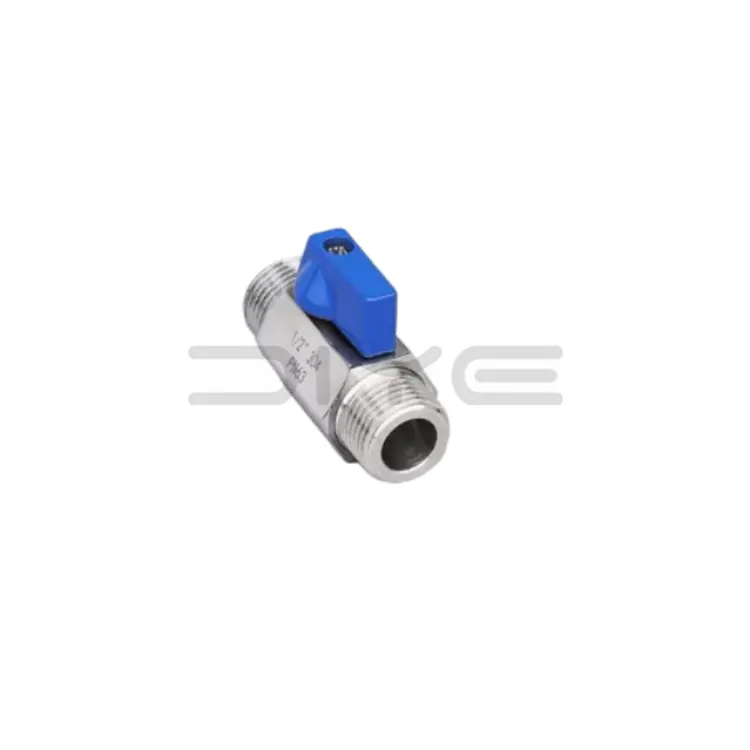
The core mechanism of a stainless steel mini ball valve is simple yet highly effective. It consists of a spherical ball with a central bore that rotates within the valve body. When the bore aligns with the pipeline, fluid flows freely. When rotated 90 degrees, the flow is completely blocked.
- Valve Body: Typically made of SS304 or SS316 stainless steel for corrosion resistance
- Ball Core: Precision-polished for tight sealing performance
- Seats: Usually PTFE or reinforced sealing materials
- Stem: Connects actuator or handle to ball mechanism
This compact structure ensures smooth operation and reduces the risk of leakage even under high pressure conditions.
3. Key Benefits and Performance Advantages
Stainless steel mini ball valves offer several advantages that make them highly preferred in engineering systems.
- Corrosion Resistance: Suitable for harsh chemical and marine environments
- Compact Size: Ideal for confined installation spaces
- High Durability: Long service life even under frequent operation
- Fast Operation: Quick quarter-turn open/close mechanism
- Low Maintenance: Minimal wear due to simple design
These benefits directly address common industrial challenges such as system downtime, leakage issues, and maintenance costs.
4. Industrial and Commercial Applications
Due to their versatility, stainless steel mini ball valves are used in a wide range of industries.
| Industry | Application Use |
|---|---|
| Oil & Gas | Flow isolation in pipelines and instrumentation systems |
| Water Treatment | Control of filtration and distribution systems |
| Food & Beverage | Hygienic fluid handling and processing lines |
| Pharmaceutical | Precise chemical and liquid dosing systems |
| HVAC Systems | Temperature and flow regulation in pipelines |
Their adaptability across industries makes them a core component in both small-scale and large-scale systems.
5. Comparison with Other Valve Types
To understand the value of stainless steel mini ball valves, it is useful to compare them with alternative valve types.
| Valve Type | Advantages | Limitations |
|---|---|---|
| Mini Ball Valve | Compact, durable, fast operation | Not ideal for throttling precision flow control |
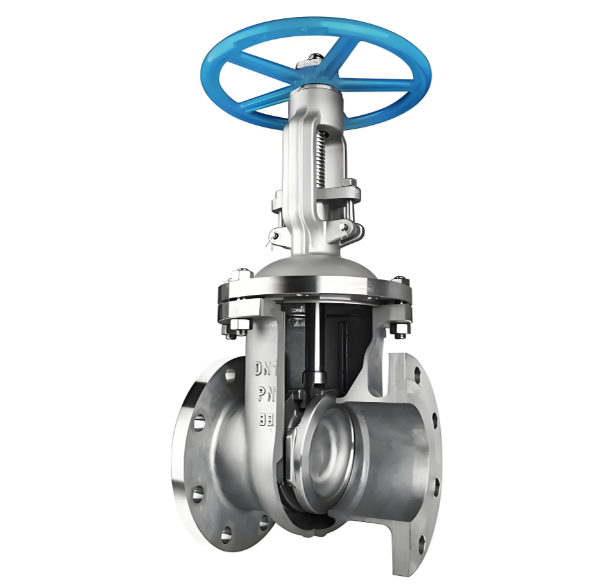
| Gate Valve | Good for full flow isolation | Slow operation and larger size |
| Globe Valve | Precise flow control | Higher pressure drop and complexity |
| Butterfly Valve | Lightweight and cost-effective | Less sealing efficiency in high-pressure systems |
Mini ball valves strike a balance between performance, size, and reliability, making them a preferred solution in compact systems.
6. How to Choose the Right Mini Ball Valve
Selecting the correct stainless steel mini ball valve is essential for system efficiency and safety. Several factors should be considered:
- Material Grade: SS304 for general use, SS316 for corrosive environments
- Pressure Rating: Ensure compatibility with system pressure requirements
- Temperature Range: Match valve design with operating conditions
- Connection Type: Threaded, welded, or quick-connect options
- Seal Material: PTFE is common for chemical resistance
Choosing the right specification helps prevent premature failure and improves long-term system stability.
7. Installation and Maintenance Guidelines
Proper installation is crucial for ensuring optimal performance of stainless steel mini ball valves.
- Ensure pipeline is clean before installation
- Avoid over-tightening threaded connections
- Use appropriate sealing tape or compound
- Check alignment to prevent mechanical stress
Maintenance requirements are minimal, but periodic inspection is recommended to ensure sealing integrity and smooth operation.
8. Common Problems and Troubleshooting
Although highly reliable, mini ball valves may experience issues if improperly used.
- Leakage: Often caused by worn seals or debris inside the valve
- Stiff Operation: May result from corrosion or lack of lubrication
- Pressure Drop: Improper sizing or internal blockage
Regular maintenance and proper material selection significantly reduce these risks.
9. Future Trends in Mini Valve Technology
The evolution of industrial automation is driving improvements in valve technology. Stainless steel mini ball valves are now being integrated with smart monitoring systems, allowing real-time flow tracking and predictive maintenance.
Future developments may include:
- IoT-enabled valve monitoring systems
- Enhanced nano-coating for corrosion resistance
- Automated actuation for remote control systems
These innovations will further enhance efficiency and reduce operational risks.
10. Frequently Asked Questions
Q1: What makes stainless steel mini ball valves better than plastic valves?
They offer higher durability, better pressure resistance, and superior corrosion protection.
Q2: Can they be used for gas applications?
Yes, they are suitable for both liquid and gas flow control systems.
Q3: How long is their service life?
With proper use, they can last several years even under demanding conditions.
Q4: Are they suitable for high-temperature environments?
Yes, depending on seal materials and design specifications.
Q5: Do they require frequent maintenance?
No, they are designed for low-maintenance operation.
11. Conclusion and Professional Recommendation
Stainless steel mini ball valves are a vital solution for compact, efficient, and reliable flow control systems. Their durability, corrosion resistance, and simple operation make them suitable for a wide range of industries. Whether used in industrial pipelines or precision instrumentation systems, they consistently deliver stable performance and long service life.
For businesses seeking high-quality valve solutions, Wenzhou Diye Valve And Fittings Co.,Ltd. provides professionally engineered stainless steel mini ball valves designed to meet demanding industrial standards and customized requirements.
If you are looking for reliable product support, technical consultation, or bulk purchasing solutions, contact us today to explore how our valve solutions can enhance your system performance and operational efficiency.
Related News
- What Is a Forged Steel Gate Valve and How Does It Support Reliable Industrial Flow Control?
- Stainless Steel ANSI 150LB Flanged Y Strainer for Reliable Pipeline Filtration
- Stainless Steel Ball Valve Complete Testing Process | Standard Inspection & Quality Assurance
- Sanitary 3-Piece Butterfly Valve for Hygienic Fluid Control Systems
- Stainless Steel Grade Selection for Gate Valves
- Sanitary Union Check Valve Trends in Modern Hygienic Fluid Processing
Leave me a message