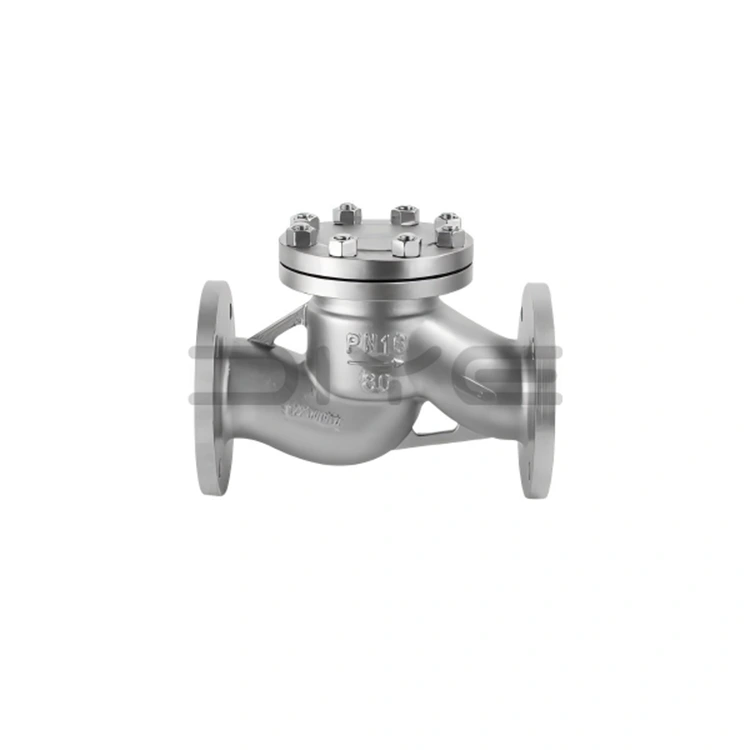
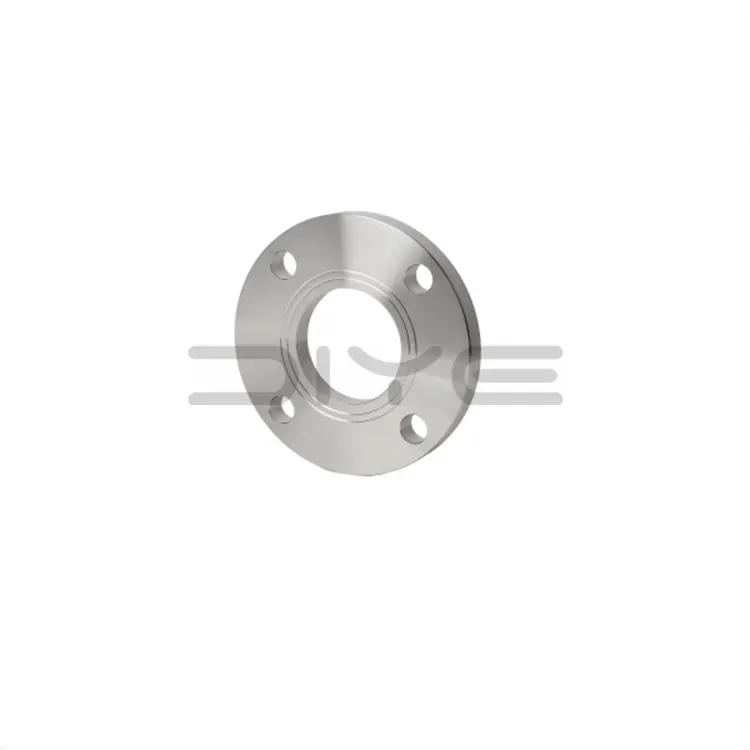
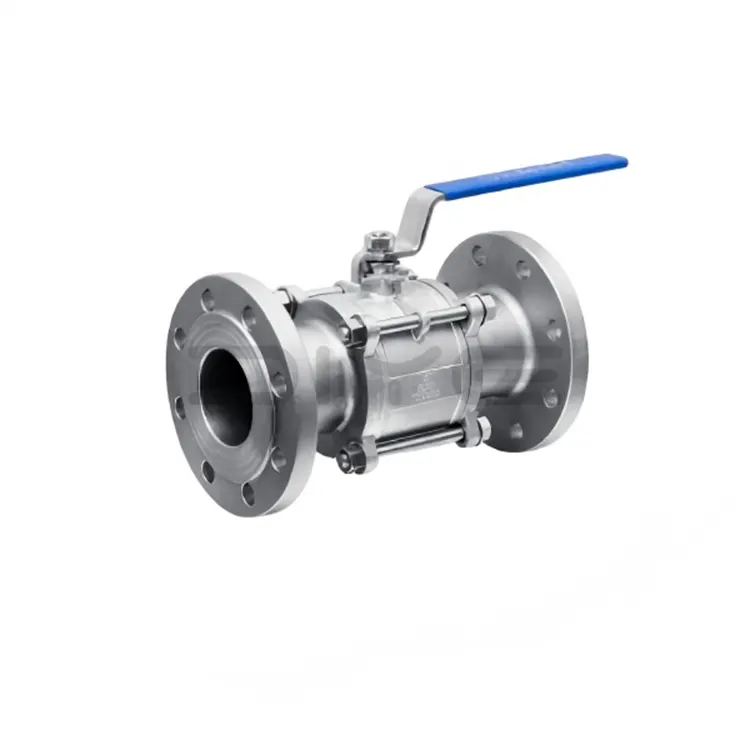
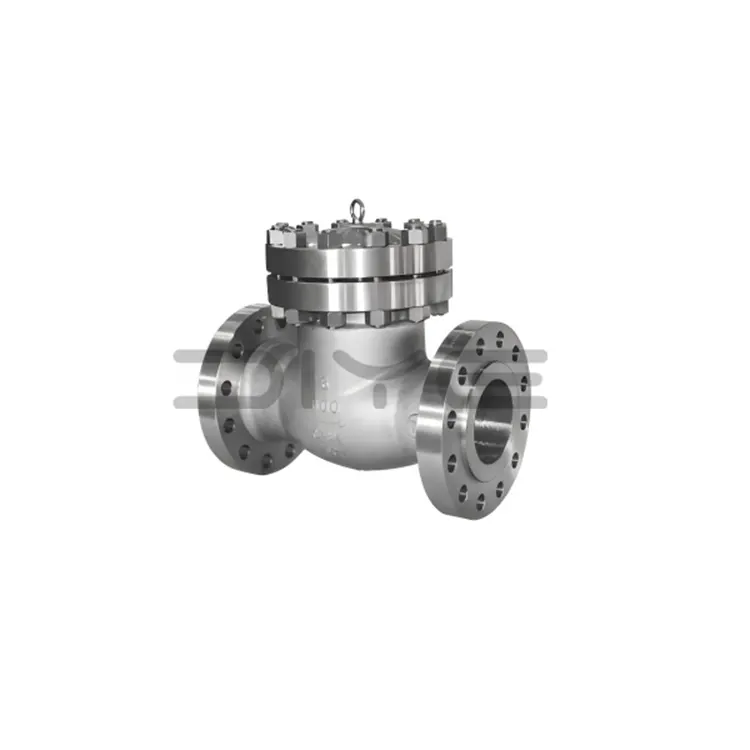
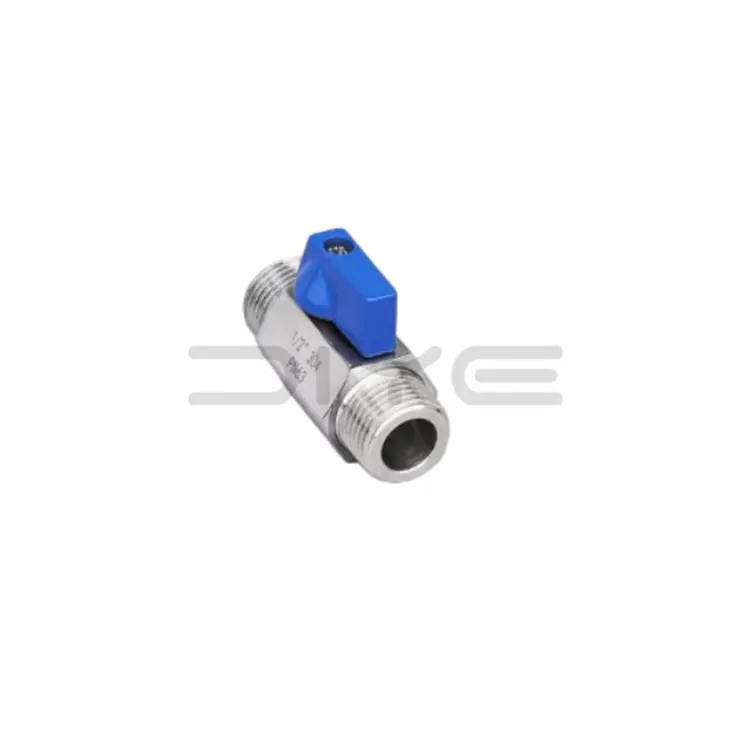
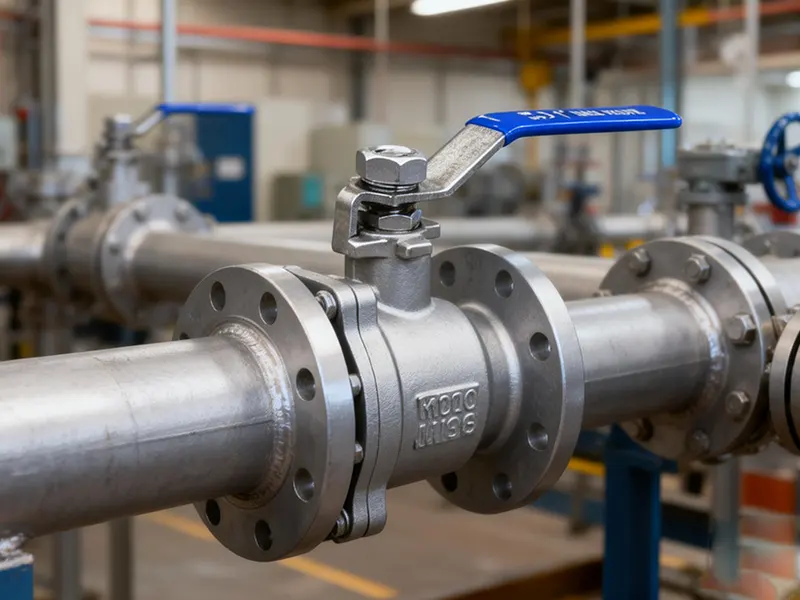
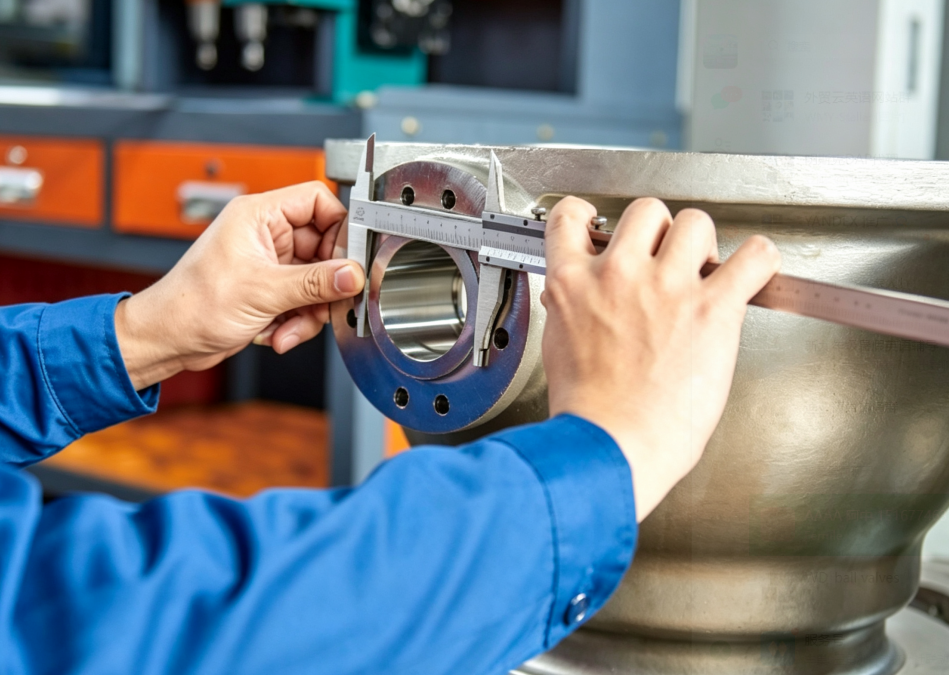
A forged steel gate valve is an industrial isolation valve designed to start or stop fluid flow by moving a gate vertically into or out of the flow passage. Its forged pressure-containing components, compact construction options, and availability in different materials and pressure classes make it a practical choice for demanding piping systems, including oil and gas facilities, power plants, chemical processing units, and steam applications.
However, choosing the right valve involves more than selecting a nominal pipe size. Buyers must evaluate operating pressure, temperature, fluid compatibility, end connections, applicable standards, and maintenance requirements. This guide explains how forged steel gate valves work, where they are used, and how to specify a suitable product for dependable long-term service.
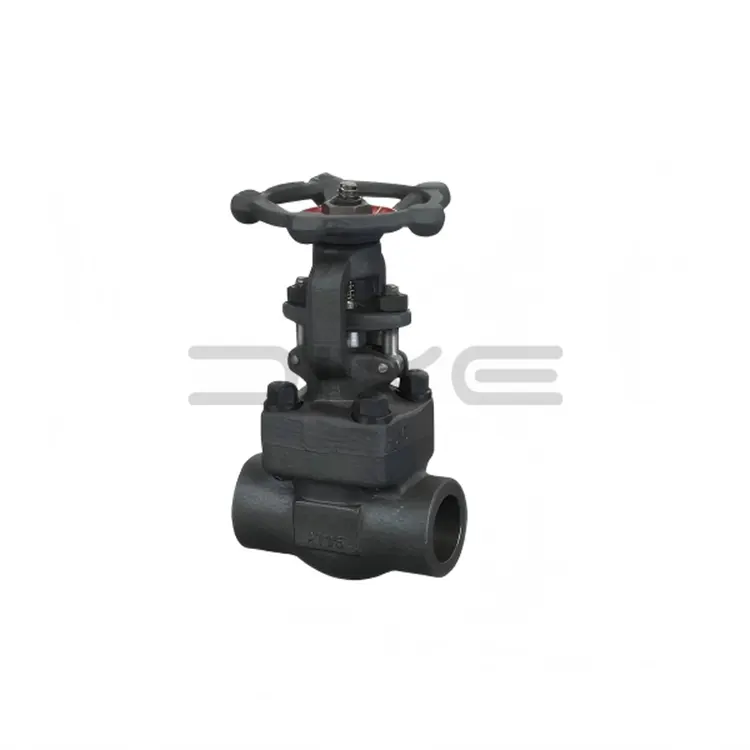
Table of Contents
- What Is a Forged Steel Gate Valve?
- How Does a Forged Steel Gate Valve Work?
- What Are Its Main Advantages?
- Where Are Forged Steel Gate Valves Used?
- What Materials Are Available?
- What Types and End Connections Are Available?
- How Does It Compare with a Cast Steel Gate Valve?
- How Can Buyers Select the Right Valve?
- How Should It Be Installed and Maintained?
- What Common Purchasing Mistakes Should Be Avoided?
- Frequently Asked Questions
1. What Is a Forged Steel Gate Valve?
A forged steel gate valve is a mechanical valve whose body and, depending on the design, other pressure-containing components are produced from forged steel. During forging, heated metal is shaped under compressive force. This process can produce a relatively uniform material structure and reduce the types of internal discontinuities associated with some casting processes, although the final quality still depends on material specifications, forging practice, heat treatment, machining, and inspection.
The valve controls flow through a movable gate, commonly called a wedge. When the valve is fully open, the gate moves clear of the main flow passage. When fully closed, it engages the seating surfaces to interrupt flow.
Forged steel gate valves are commonly selected for small-bore industrial piping and higher-pressure duties. Compact forged steel valves are frequently specified under API 602, subject to the standard's scope and the selected product design.
2. How Does a Forged Steel Gate Valve Work?
A forged steel gate valve uses linear gate movement to provide on-off flow control. Most manual designs operate through a handwheel connected to a threaded stem. Depending on the construction, the stem rises visibly during operation or remains in a fixed vertical position while rotating to move the gate.
Opening the valve
Turning the handwheel in the opening direction moves the gate away from the seating area. Once the gate clears the flow passage, the fluid can travel through the valve with relatively little obstruction compared with many throttling valve designs.
Closing the valve
Turning the handwheel in the opposite direction moves the gate toward the seats. Correctly matched seating surfaces establish the intended shut-off function when the valve reaches its specified closed position.
Why operating position matters
Gate valves are primarily intended for fully open or fully closed service. Keeping a conventional gate valve partially open for extended periods can expose the gate and seating surfaces to high-velocity flow, vibration, erosion, and uneven wear. Where continuous flow regulation is required, a properly selected globe valve or control valve is often more suitable.
The valve's actual operating torque, flow capacity, and shut-off performance depend on its design, dimensions, pressure differential, fluid characteristics, and condition. Buyers should use manufacturer documentation rather than assuming all forged steel gate valves perform identically.
3. What Are the Main Advantages of Forged Steel Gate Valves?
3.1 Strength for demanding service
Properly manufactured forged components can offer favorable mechanical properties and material consistency. This makes forged steel construction attractive for applications involving elevated pressures, temperature variations, and demanding operating conditions when the selected material and valve design are suitable.
3.2 Compact installation options
Many forged steel gate valves are available in compact configurations for small-bore process lines, auxiliary piping, instrument connections, drains, and vents. Their dimensions can be useful where installation space is limited.
3.3 Multiple material choices
Depending on the product range, buyers can select carbon steel, low-temperature carbon steel, alloy steel, or stainless steel. Matching the material to the process fluid and temperature helps manage corrosion risks, mechanical demands, and service life.
3.4 Straightforward isolation function
The gate mechanism is designed for on-off operation rather than continuous flow adjustment. In suitable applications, this provides a clear operating purpose and can simplify system design.
3.5 Flexible connection configurations
Threaded, socket-weld, butt-weld, and flanged connections may be available depending on valve size, pressure class, manufacturer, and design standard. This flexibility allows engineers to coordinate the valve with existing piping arrangements.
- Potentially favorable strength and structural consistency from appropriate forged construction.
- Compact designs for selected small-bore applications.
- Material options for different pressure, temperature, and corrosion requirements.
- Practical isolation of process fluids in compatible systems.
- Connection options that support different installation requirements.
4. Where Are Forged Steel Gate Valves Used?
The suitability of a forged steel gate valve depends on the operating conditions and approved design specification. Common application areas include the following.
Oil and gas processing
Forged steel valves may be installed in process piping, auxiliary lines, sampling points, drains, and other isolation locations. Material compatibility, pressure-temperature ratings, and any sour-service requirements must be established before selection.
Power generation and steam systems
Power plants use isolation valves in steam-related auxiliary services, feedwater systems, and other process lines. High-temperature service requires careful assessment of material strength, pressure-temperature ratings, sealing materials, and thermal cycling.
Chemical and petrochemical facilities
Chemical processing can involve aggressive fluids, elevated temperatures, or hazardous media. Stainless steel or suitable alloy options may be necessary, but no material should be considered universally corrosion-proof. Compatibility must be confirmed for the actual chemical concentration, temperature, and operating environment.
Industrial utilities
Compressed utilities, water systems, thermal equipment, and general industrial pipelines may use forged steel gate valves where the valve's pressure class, material, and connections meet the project requirements.
5. What Materials Are Available for Forged Steel Gate Valves?
Material selection affects pressure containment, temperature capability, corrosion resistance, and overall maintenance requirements. Common material families include the following examples.
| Material | Typical Characteristics | Selection Considerations |
|---|---|---|
| ASTM A105 carbon steel | Common forged carbon steel for general industrial service | Verify the applicable temperature range, pressure rating, and fluid compatibility. |
| ASTM A350 LF2 | Forged carbon steel specified for suitable low-temperature applications | Confirm impact-test requirements and the minimum design temperature. |
| ASTM A182 F11 / F22 | Alloy steel grades used in selected elevated-temperature services | Check the applicable heat treatment, material grade, and pressure-temperature limits. |
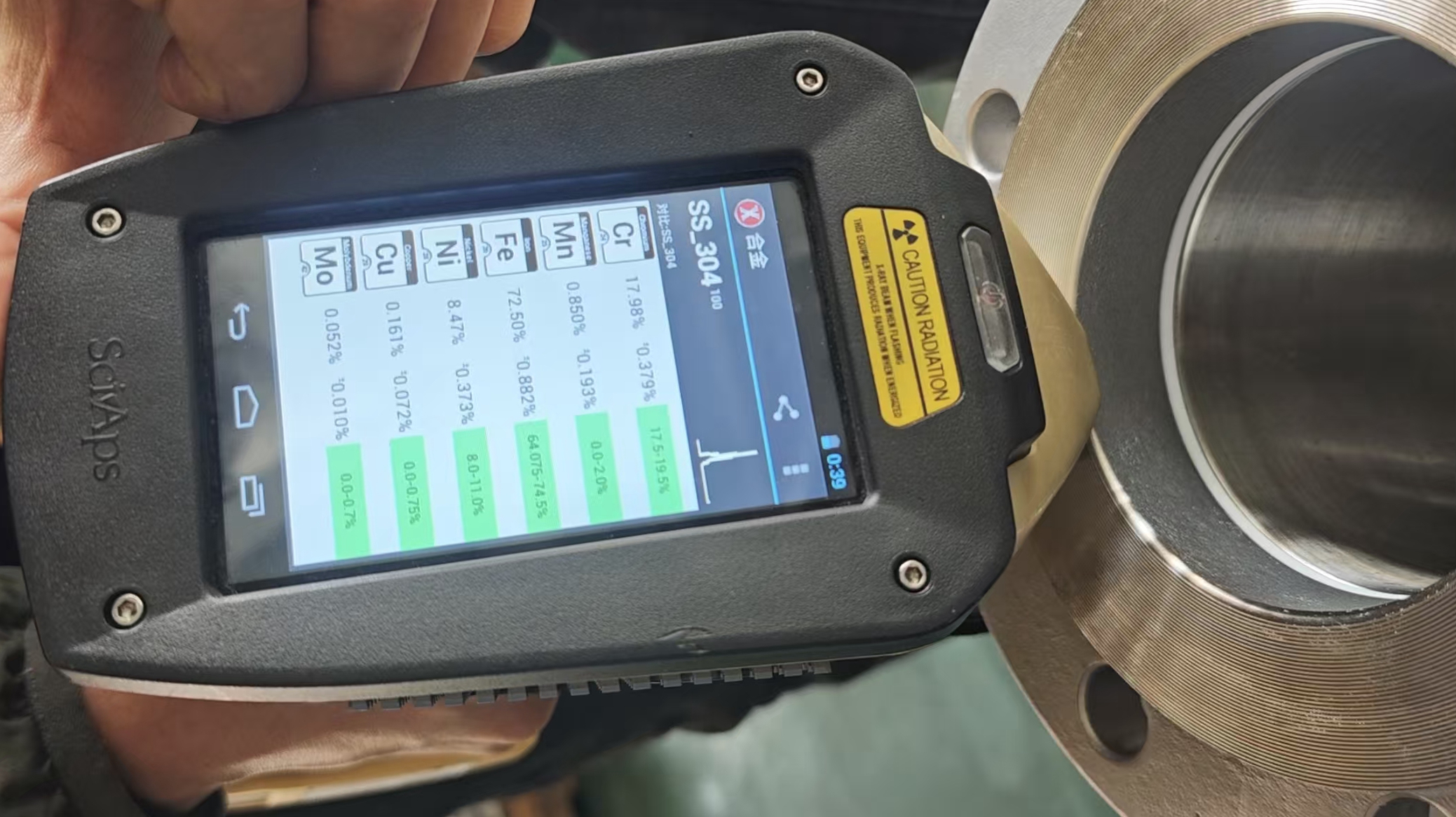
| ASTM A182 F304 / F316 | Stainless steel options for selected corrosive environments | Evaluate chemical compatibility, chloride exposure, and the required corrosion resistance. |
These examples are not interchangeable, and the table is not a substitute for an approved material specification. The exact grade must be available in the manufacturer's product range and compatible with the applicable valve design standard.
Do not overlook internal components
The body material alone does not determine complete valve performance. Buyers should also review the gate or wedge, stem, seat surfaces, packing, bonnet gasket, and other wetted or pressure-containing components. Trim materials and sealing arrangements must be suitable for the fluid and expected operating conditions.
6. What Types and End Connections Are Available?
6.1 Bonnet configurations
A bolted-bonnet design uses fasteners to connect the bonnet to the valve body. A pressure-sealed or welded-bonnet design may be available for certain applications and product ranges. The appropriate configuration depends on the specified standard, pressure class, maintenance strategy, and manufacturer's design.
6.2 Rising-stem and non-rising-stem designs
In a rising-stem configuration, the stem moves upward as the valve opens, helping operators identify the gate position visually. A non-rising-stem arrangement keeps the stem's external height relatively constant, which can be useful where vertical clearance is limited. Available configurations vary by design.
6.3 End connection options
| Connection | Typical Use | Key Consideration |
|---|---|---|
| Threaded | Compatible small-bore piping systems | Confirm thread form, size, sealing method, and applicable pressure limitations. |
| Socket weld | Selected small-bore welded piping | Check socket dimensions, welding procedures, and installation requirements. |
| Butt weld | Welded piping systems where specified | Confirm end preparation, wall thickness compatibility, and welding requirements. |
| Flanged | Piping systems requiring detachable connections | Match flange dimensions, facing, gasket, bolting, and pressure rating. |
Not every connection is available for every size or pressure class. The purchase specification should identify the required connection explicitly instead of relying on a generic product description.
7. How Does a Forged Steel Gate Valve Compare with a Cast Steel Gate Valve?
The main difference is the manufacturing process used to form the valve body and other relevant components. Forging shapes solid metal under compressive force, while casting forms components by pouring molten metal into a mold. Each method can produce reliable valves when the design, manufacturing controls, materials, and inspection requirements are appropriate.
| Comparison Factor | Forged Steel Gate Valve | Cast Steel Gate Valve |
|---|---|---|
| Manufacturing process | Metal is shaped through forging. | Molten metal is formed in a mold. |
| Common product positioning | Compact and small-bore applications, including many high-pressure designs. | Often used for larger valve sizes and a broad range of industrial piping systems. |
| Material structure | Can provide favorable grain flow and material consistency. | Quality depends on casting design, process control, and defect inspection. |
| Design flexibility | Depends on forging capacity, geometry, and machining requirements. | Can accommodate complex shapes and larger body configurations. |
| Selection priority | Consider forging quality, design standard, size, and service conditions. | Consider casting quality, design standard, size, and service conditions. |
Neither construction is automatically the best choice for every application. A forged valve may be preferable for a compact, high-pressure line, while a cast valve may be more practical for a larger-bore system. The correct decision should be based on engineering requirements, approved standards, material certification, and total lifecycle cost rather than manufacturing terminology alone.
8. How Can Buyers Select the Right Forged Steel Gate Valve?
For procurement teams, an incomplete valve specification can result in quotation delays, incorrect deliveries, installation difficulties, or unsuitable operating performance. Use the following checklist when preparing an inquiry.
When requesting a quotation from Wenzhou Diye Valve And Fittings Co.,Ltd., buyers can use this checklist to organize technical requirements and reduce the risk of repeated specification clarification.
Final valve selection and approval should be performed by qualified personnel against the applicable piping code, project specification, and manufacturer's certified documentation.
9. How Should a Forged Steel Gate Valve Be Installed and Maintained?
Before installation
- Check the nameplate, material identification, pressure class, size, end connections, and purchase specification.
- Inspect the valve for transport damage, contamination, corrosion, or damaged sealing surfaces.
- Verify that the valve is compatible with the line medium and the actual pressure-temperature conditions.
- Keep the internal passage clean and protect exposed ends until installation.
During installation
- Follow the manufacturer's installation instructions and applicable piping procedures.
- Align the valve with the pipeline without forcing the body or using the valve to correct piping misalignment.
- Use appropriate gaskets, fasteners, thread-sealing materials, and welding procedures for the selected connection.
- Prevent welding heat or debris from damaging internal components, seals, or seating surfaces.
- Ensure that the handwheel or actuator can be operated safely and that sufficient maintenance clearance is available.
During routine maintenance
Establish an inspection schedule based on service severity, operating frequency, manufacturer recommendations, and site safety procedures. Check for external leakage around the stem packing and bonnet joint, corrosion, unusual operating resistance, and visible damage. Investigate any loss of shut-off performance before it becomes a larger operational problem.
Before inspection or maintenance, isolate the system, depressurize it, drain or purge the relevant section as required, and verify safe conditions. Never loosen pressure-containing parts while the valve is pressurized. Hazardous fluids, high temperatures, and trapped pressure require appropriate controls and qualified personnel.
10. What Common Purchasing Mistakes Should Be Avoided?
Choosing by pressure class alone
A pressure class does not represent one universal allowable pressure at every temperature. Confirm the material-specific pressure-temperature rating and the limits of the complete valve assembly.
Ignoring the fluid and internal materials
A strong forged body cannot compensate for an incompatible stem, seat, packing, or gasket. Review the complete bill of materials for the intended service.
Using a gate valve for continuous throttling
Conventional gate valves are designed mainly for isolation. For continuous modulation, consider a control valve or another design specifically engineered for throttling.
Assuming every manufacturer offers the same configuration
Size ranges, pressure classes, bonnet arrangements, trim combinations, and end connections differ by product line. Obtain a written datasheet and confirm the exact configuration before ordering.
Overlooking inspection documents
For critical applications, a low quotation without the required material traceability or test documentation may create additional project risk. Define documentation requirements before purchase.
Good procurement practice starts with a complete technical specification and ends with verification that the delivered valve matches the approved documentation.
11. Frequently Asked Questions
Q1. What is the main purpose of a forged steel gate valve?
Its main purpose is to isolate a pipeline by allowing or stopping fluid flow. It is generally intended for fully open or fully closed operation rather than continuous flow regulation.
Q2. Is a forged steel gate valve suitable for high-pressure applications?
It can be suitable when its design, materials, pressure class, temperature limits, and end connections meet the operating requirements. The actual allowable pressure must be verified using the applicable rating tables and certified product documentation.
Q3. What is API 602?
API 602 is a commonly specified standard for compact steel gate, globe, and check valves within its defined scope. Buyers should verify the applicable edition, valve type, size range, and project requirements.
Q4. Which material is best for a forged steel gate valve?
There is no single best material for every application. ASTM A105 is commonly used for carbon steel service, A350 LF2 for specified low-temperature service, alloy steels for selected elevated-temperature duties, and stainless steels for suitable corrosive environments. The final choice depends on the process conditions and applicable specification.
Q5. Can a forged steel gate valve be used for steam?
Yes, certain designs and material combinations are suitable for steam service. Buyers must confirm the steam pressure, temperature, material grade, packing and gasket compatibility, and applicable pressure-temperature ratings before installation.
Q6. What is the difference between a forged and a cast steel gate valve?
The primary difference is the manufacturing process. Forging shapes solid metal under compressive force, while casting forms components from molten metal. Both can be appropriate when manufacturing quality, design, inspection, and operating requirements are properly addressed.
Q7. Which end connection should I choose?
The choice depends on pipe size, pressure class, piping design, installation requirements, and the applicable standard. Threaded and socket-weld connections are common in selected small-bore designs, while butt-weld and flanged arrangements may suit other system requirements.
Q8. How can I reduce leakage risks?
Specify compatible materials and sealing components, verify the required inspection and pressure tests, install the valve according to the manufacturer's instructions, and establish routine inspection procedures. Leakage prevention depends on the complete assembly and correct operating practices.
Q9. What information should I provide when requesting a quotation?
Provide the valve size, quantity, pressure class, operating pressure and temperature, fluid medium, body and trim materials, end connection, applicable standards, required documents, and delivery destination. A datasheet or piping specification can help clarify technical requirements.
Q10. How can I verify that a forged steel gate valve meets my project requirements?
Review the manufacturer's technical datasheet, applicable design standards, material certificates, dimensional information, inspection and pressure-test documentation, and any project-specific approvals. Confirm all critical requirements before releasing the purchase order.
Conclusion
A forged steel gate valve can provide dependable pipeline isolation when the construction, material, pressure-temperature rating, and connection type are correctly matched to the application. Its compact design options and availability in multiple material grades make it useful for selected oil and gas, power generation, chemical processing, steam, and industrial utility systems.
The most effective purchasing decision goes beyond price. A clearly defined technical specification, appropriate inspection requirements, verified material compatibility, and correct installation practices help reduce avoidable failures and support long-term operational reliability.
For buyers evaluating forged steel gate valves, working with a supplier that can clarify product configurations and documentation requirements is an important step toward a successful project.
Looking for a Forged Steel Gate Valve for Your Industrial Project?
Wenzhou Diye Valve And Fittings Co.,Ltd. can be included in your supplier evaluation when sourcing industrial valves and fittings. Prepare your required size, pressure class, material grade, end connection, operating conditions, and applicable standards to help clarify your inquiry.
Have a technical question or need to discuss your valve requirements? Please contact us to request product information, confirm available configurations, and discuss your project specifications.