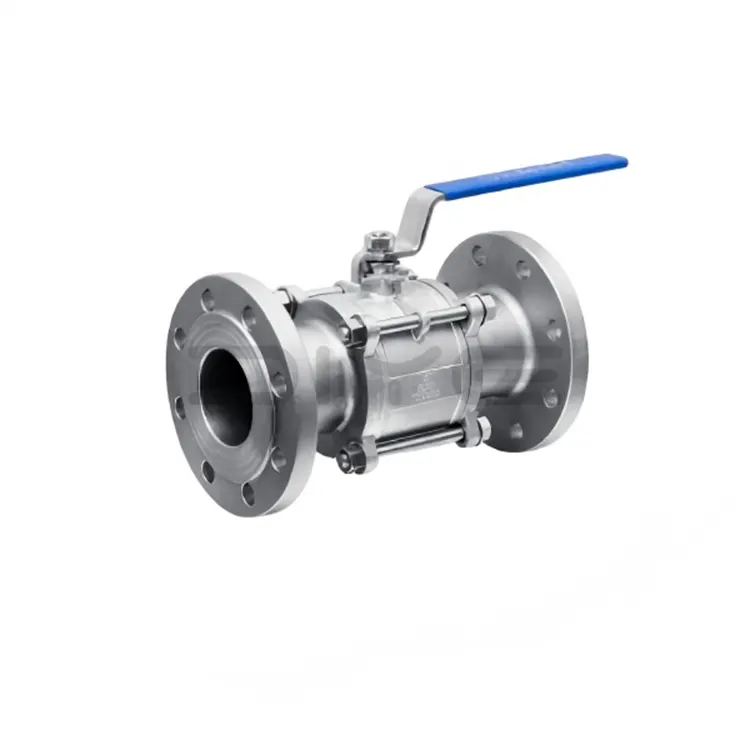
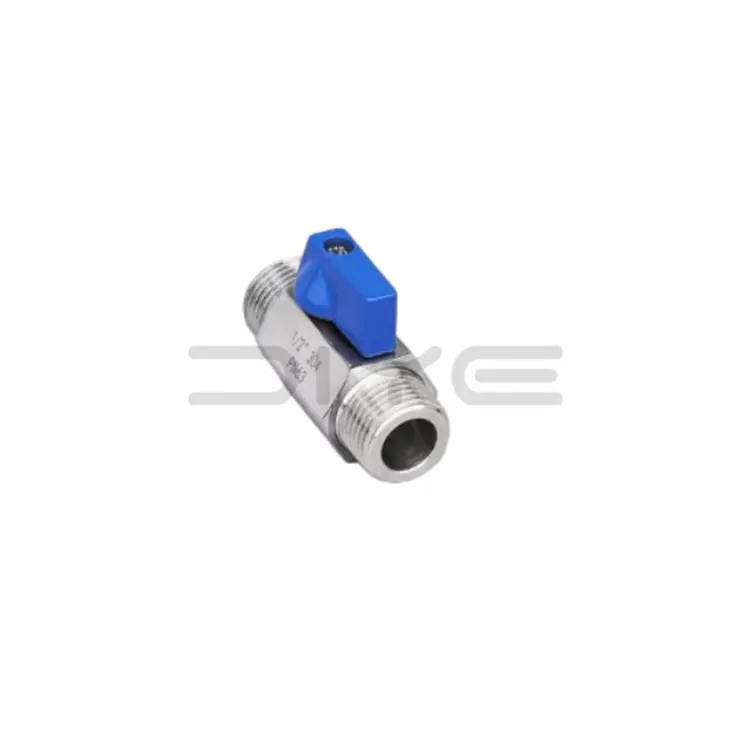
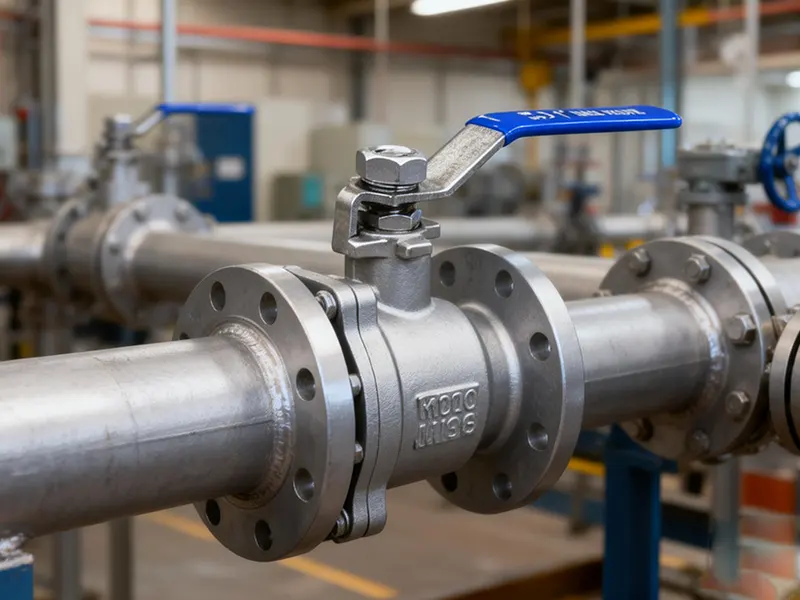
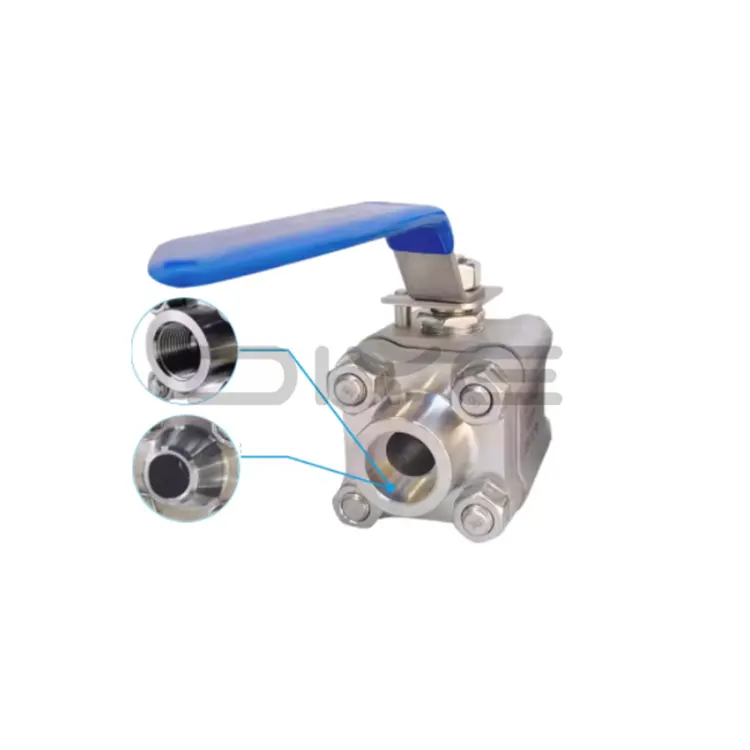
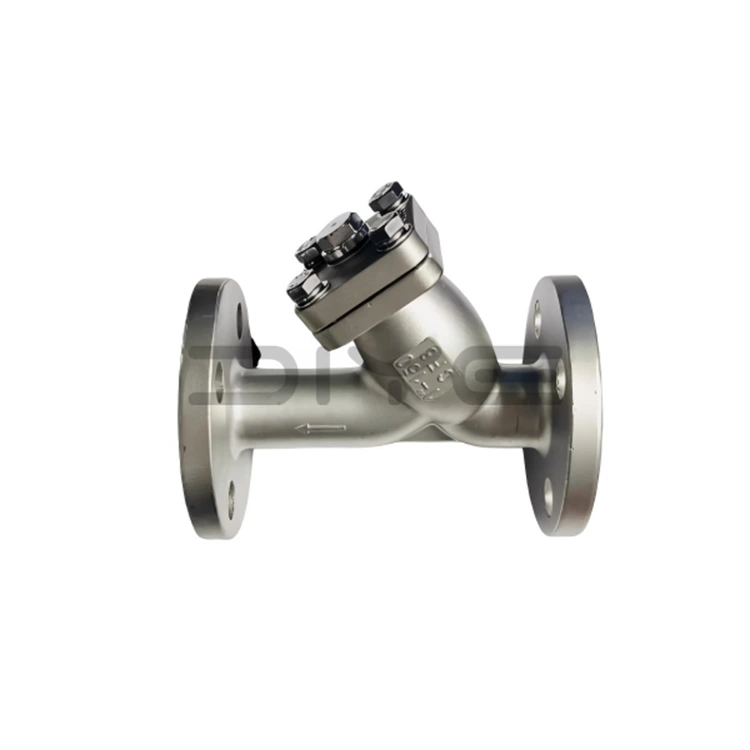
stainless steel ball valves (2PC & 3PC threaded and flanged types) undergo 100% full inspection before shipment. Strictly compliant with API 598, ISO 5208 and GB/T 13927 industrial testing standards, every finished valve passes shell hydrostatic test, seat air tightness test, stem sealing test, operation performance test and material verification. Standardized testing ensures zero leakage, stable pressure resistance and long service life for industrial piping applications.
1. Body Shell Hydrostatic Test (Core Safety Test)
The shell test is the most critical pressure resistance test for stainless steel valves. The valve stays fully open and is filled with clean water. The test pressure is set to 1.5 times the nominal pressure and kept stable for 3–5 minutes. Inspect the entire body, thread, flange and joint position. No water seepage, no sweating, no deformation and no pressure drop are allowed. This test eliminates internal sand holes, cracks and forging defects.
2. Seat Air Tightness Test (Zero Leakage Guarantee)
After passing the water pressure test, every stainless steel ball valve conducts a low-pressure air tightness test. The valve is fully closed and pressurized at 0.6MPa air pressure (1.1 times rated pressure) for 2–3 minutes. By bubble immersion or pressure gauge monitoring, we confirm no air leakage across the ball and PTFE seat. This procedure ensures bubble-tight shutoff for gas, water and oil medium control.
3. Stem & Packing Sealing Test
Many valve failures come from stem leakage. During the inspection, we apply working pressure to the valve cavity and rotate the stem repeatedly. The anti-blowout stem and packing structure must remain tight without air or water leakage. This test guarantees stable sealing after frequent on-off operations.
4. On-Off Operation Performance Test
Each stainless steel ball valve is operated manually for more than 50 continuous open-close cycles. Inspect whether the 90° rotation is smooth, uniform and jamming-free. Full open and full close positions must be accurate without offset or abnormal noise. Stable operation torque ensures adaptability for manual and automatic actuator installation.
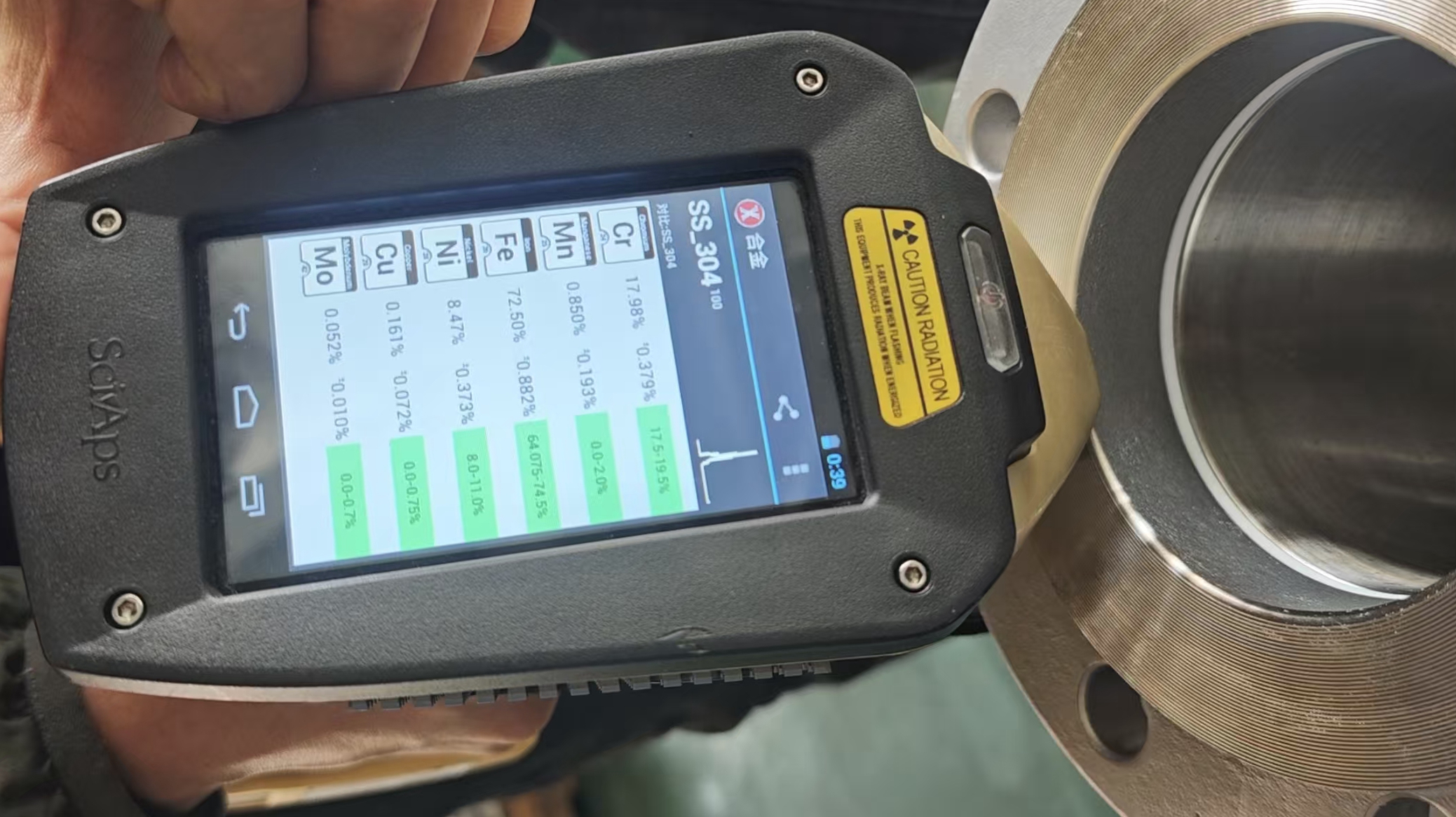
5.Material Spectral Inspection & Appearance Check
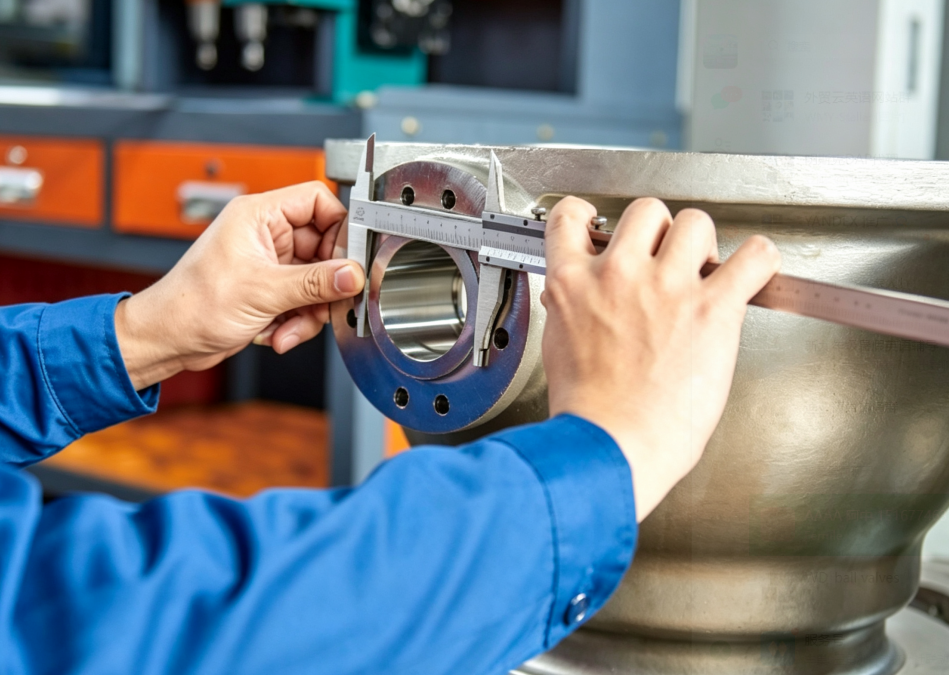
Raw material of SS304 and SS316L stainless steel is verified by spectrometer batch by batch to avoid mixed material and fake stainless steel. CNC machining dimension, thread flatness, body surface finish and wall thickness are strictly checked. Only qualified valves can enter packaging and shipment process.
6. Why Standard Testing Matters for Export Valves
100% full testing, not random sampling, stable quality for bulk export ordersCompliant with API 598 & ISO 5208, meet international project acceptanceZero leakage shell & seat performance, reduce after-sales failure rateVerified SS304/SS316L material, anti-rust and anti-corrosion for long service lifeComplete test reports and MTC documents support customer project filing
7.Testing Conclusion
Every DIYE VALVE stainless steel ball valve completes systematic pressure testing, sealing testing, operation testing and material inspection before delivery. Strict quality control ensures high pressure resistance, perfect tightness, flexible operation and reliable durability. All products are qualified for water treatment, HVAC, gas, oil and chemical industrial piping export projects.
We use cookies to offer you a better browsing experience, analyze site traffic and personalize content. By using this site, you agree to our use of cookies. Privacy Policy