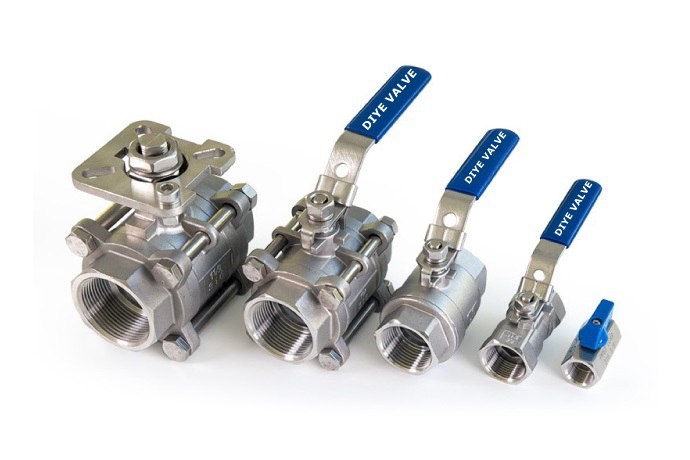
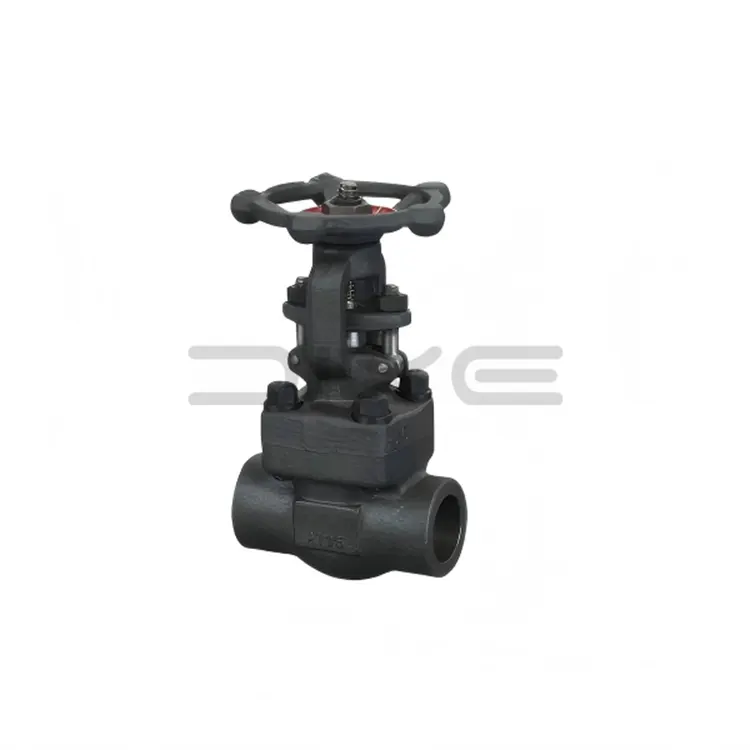
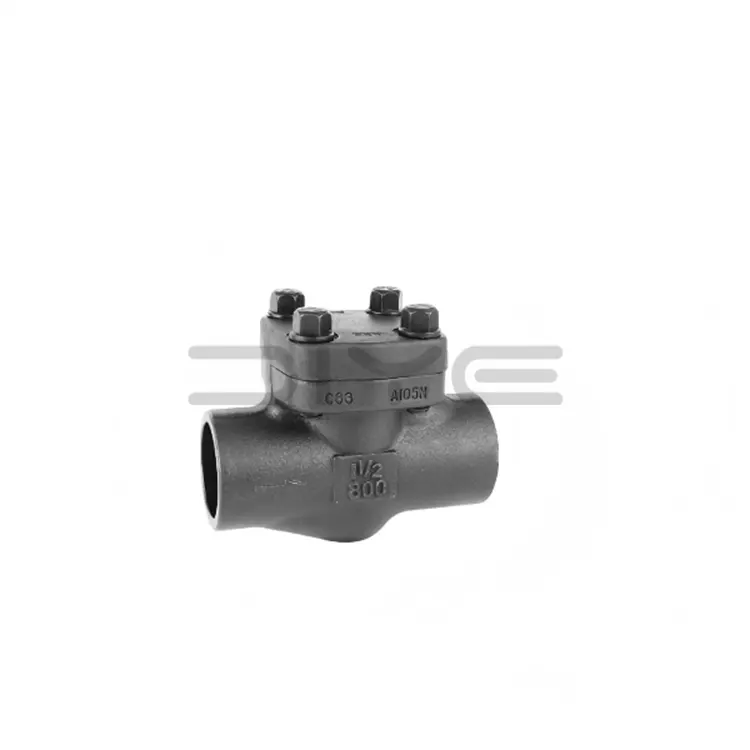
What Makes Forged Steel High-Pressure Flanged Ball Valve Essential in Modern Industrial Systems?
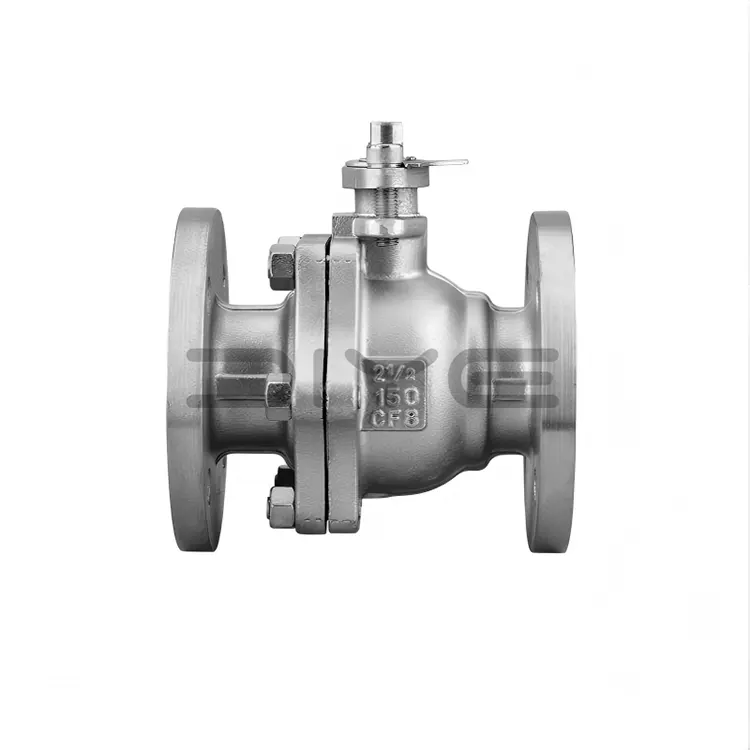
Forged Steel High-Pressure Flanged Ball Valves play a critical role in ensuring safe, reliable, and efficient fluid control in demanding industrial environments. From oil & gas to power generation and chemical processing, these valves are designed to withstand extreme pressure, temperature, and corrosive conditions. This comprehensive guide explores their structure, advantages, applications, material selection, installation, maintenance, and buying considerations—helping engineers, procurement managers, and decision-makers solve common challenges and make informed choices.
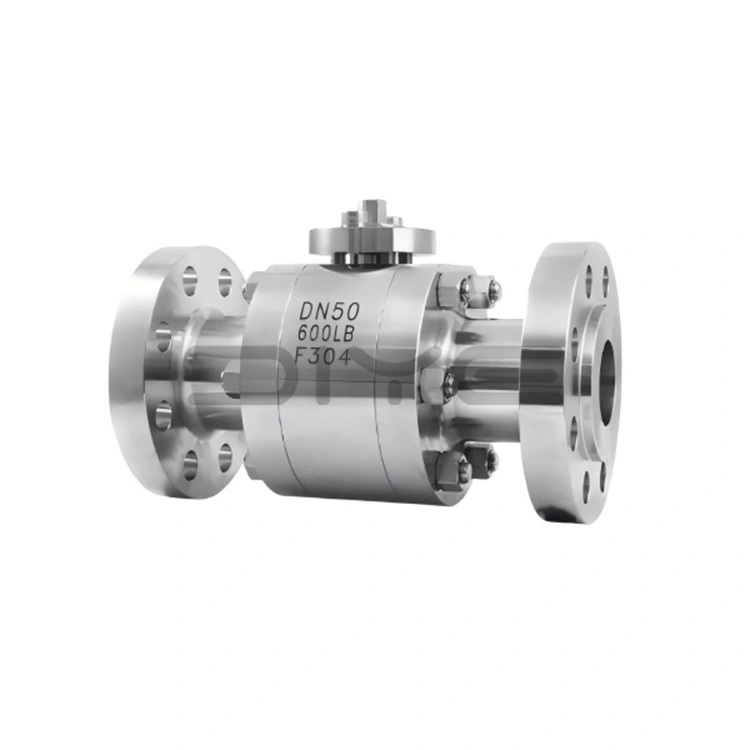
Table of Contents
- 1. What Is a Forged Steel High-Pressure Flanged Ball Valve?
- 2. Why Forged Steel Matters in High-Pressure Applications
- 3. Key Components and Design Features
- 4. Advantages Over Other Valve Types
- 5. Typical Applications Across Industries
- 6. Material Selection Guide
- 7. Pressure Ratings and Standards
- 8. Installation Best Practices
- 9. Maintenance and Troubleshooting
- 10. Common Buyer Pain Points and Solutions
- 11. Comparison Table: Forged vs Cast Ball Valves
- 12. How to Choose the Right Valve Supplier
- 13. Frequently Asked Questions
- 14. Conclusion
1. What Is a Forged Steel High-Pressure Flanged Ball Valve?
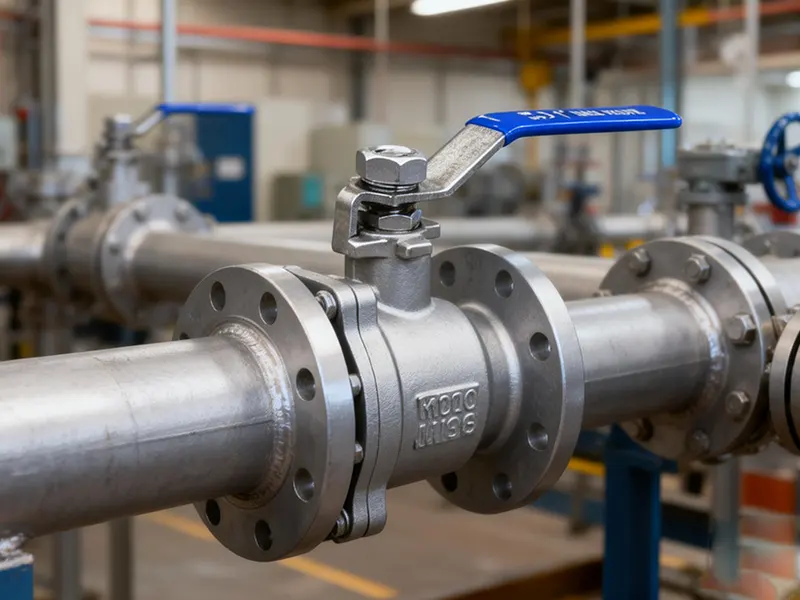
A Forged Steel High-Pressure Flanged Ball Valve is a type of quarter-turn valve designed to control fluid flow through a spherical ball with a bore. The valve body is manufactured using forging processes, which significantly enhance strength, durability, and resistance to high-pressure conditions.
Unlike threaded or welded connections, flanged ends allow for easier installation and maintenance, making them ideal for large-scale industrial pipelines.
2. Why Forged Steel Matters in High-Pressure Applications
Forging is a manufacturing process where metal is shaped under high pressure, resulting in a refined grain structure. This leads to:
- Higher mechanical strength
- Improved fatigue resistance
- Better impact toughness
- Reduced porosity compared to casting
In high-pressure environments, these characteristics are not optional—they are essential for safety and longevity.
3. Key Components and Design Features
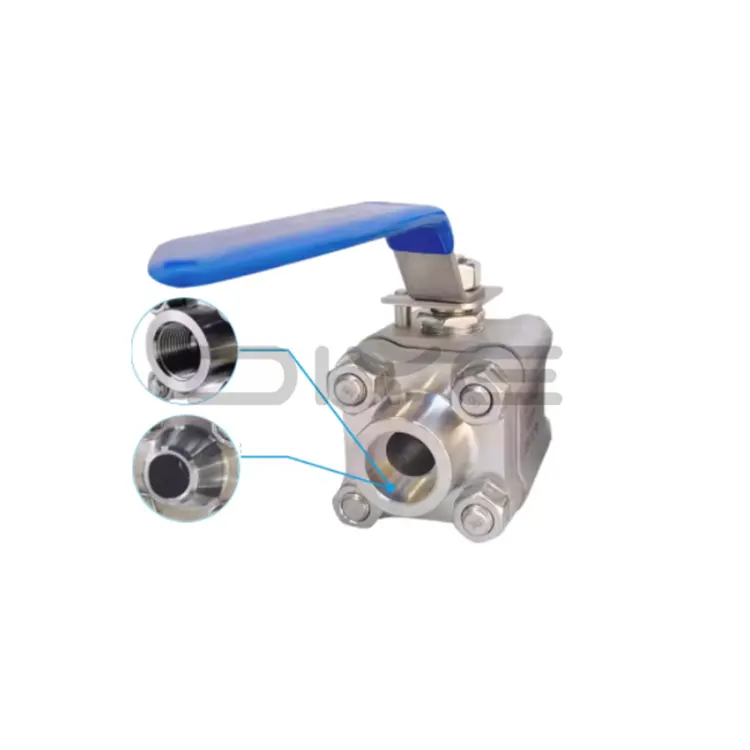
- Valve Body: Forged steel construction ensures structural integrity.
- Ball: Precision-machined for tight sealing and minimal leakage.
- Seats: Typically PTFE or metal-seated for extreme conditions.
- Stem: Anti-blowout design enhances safety.
- Flanges: Provide secure and leak-proof pipeline connections.
4. Advantages Over Other Valve Types
Compared to gate, globe, or butterfly valves, forged steel high-pressure ball valves offer:
- Fast operation (quarter-turn)
- Excellent sealing performance
- Lower pressure drop
- Compact design
- Minimal maintenance requirements
5. Typical Applications Across Industries
These valves are widely used in:
- Oil and gas pipelines
- Petrochemical plants
- Power generation facilities
- Marine engineering
- High-pressure water systems
6. Material Selection Guide
| Material | Advantages | Best Use Case |
|---|---|---|
| Carbon Steel | Cost-effective, strong | General industrial use |
| Stainless Steel | Corrosion-resistant | Chemical and food industries |
| Alloy Steel | High temperature resistance | Power plants |
7. Pressure Ratings and Standards
Forged steel ball valves are manufactured according to international standards such as:
- ANSI/ASME
- API 6D
- ISO standards
Common pressure classes include Class 150, 300, 600, 900, 1500, and 2500.
8. Installation Best Practices
- Ensure flange alignment before installation
- Use appropriate gaskets and bolts
- Avoid excessive torque during tightening
- Test for leaks after installation
9. Maintenance and Troubleshooting
Routine maintenance ensures long service life:
- Regular inspection of seals and seats
- Lubrication of moving parts
- Immediate replacement of worn components
Common issues include leakage, difficulty in operation, and seat damage.
10. Common Buyer Pain Points and Solutions
-
Problem: Valve leakage under high pressure
Solution: Choose forged steel with high-quality sealing materials -
Problem: Short service life
Solution: Opt for certified manufacturers with strict quality control -
Problem: Compatibility issues
Solution: Verify standards and flange dimensions before purchase
11. Comparison Table: Forged vs Cast Ball Valves
| Feature | Forged Valve | Cast Valve |
|---|---|---|
| Strength | High | Moderate |
| Durability | Excellent | Good |
| Porosity | Low | Higher |
| Cost | Higher | Lower |
12. How to Choose the Right Valve Supplier
- Check certifications and compliance
- Evaluate production capabilities
- Review customer feedback
- Assess after-sales support
Wenzhou Diye Valve And Fittings Co.,Ltd. has built a strong reputation for delivering high-performance forged steel ball valves with strict quality control and reliable service.
13. Frequently Asked Questions
Q1: What is the difference between forged and cast valves?
A: Forged valves are stronger and more durable due to their manufacturing process, making them ideal for high-pressure applications.
Q2: Can these valves handle extreme temperatures?
A: Yes, especially when made from alloy or stainless steel materials.
Q3: How often should maintenance be performed?
A: Regular inspections every 6–12 months are recommended depending on operating conditions.
Q4: Are flanged ball valves better than threaded ones?
A: For large pipelines and high-pressure systems, flanged valves are more secure and easier to maintain.
14. Conclusion
Forged Steel High-Pressure Flanged Ball Valves are indispensable in industries where safety, durability, and efficiency are critical. Their superior strength, reliable sealing, and adaptability make them a top choice for demanding applications.
If you are looking for high-quality solutions tailored to your operational needs, Wenzhou Diye Valve And Fittings Co.,Ltd. offers a wide range of reliable products backed by professional expertise.
Contact us today to learn more about how our forged steel high-pressure flanged ball valves can enhance your system performance and ensure long-term reliability.
Related News
- What Is a Forged Steel Gate Valve and How Does It Support Reliable Industrial Flow Control?
- Stainless Steel ANSI 150LB Flanged Y Strainer for Reliable Pipeline Filtration
- Stainless Steel Ball Valve Complete Testing Process | Standard Inspection & Quality Assurance
- Sanitary 3-Piece Butterfly Valve for Hygienic Fluid Control Systems
- Stainless Steel Grade Selection for Gate Valves
- Sanitary Union Check Valve Trends in Modern Hygienic Fluid Processing
Leave me a message