In industrial pipeline systems, maintaining a consistent flow direction is essential for protecting equipment, reducing operational risks, and improving overall system efficiency. Unexpected reverse flow can cause pressure fluctuations, equipment damage, product contamination, and unnecessary maintenance costs. Selecting the right check valve is therefore an important consideration for engineers, contractors, and industrial procurement professionals.
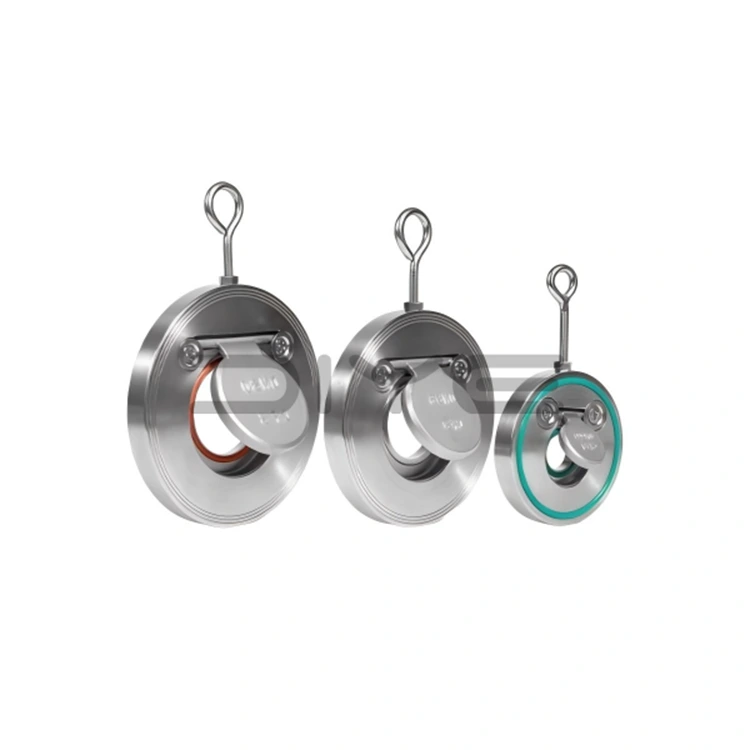
The H74 Single Disc Check Valve is designed to provide automatic one-way flow control through a compact single-disc structure. By responding to changes in fluid pressure and flow direction, it helps prevent reverse flow without requiring manual operation or an external actuator. Its wafer-style construction also makes it a practical option for pipeline systems where installation space and equipment weight are important considerations.

This article explains the working principle, structural characteristics, major advantages, industrial applications, and selection considerations of the H74 Single Disc Check Valve. It also explores installation procedures, common operating problems, and maintenance recommendations to help buyers and engineering professionals make informed decisions. Whether used in water treatment, industrial circulation, chemical processing, or general fluid transportation, understanding the valve's operating requirements is essential for achieving reliable pipeline performance.
Table of Contents
- What Is an H74 Single Disc Check Valve?
- How Does an H74 Single Disc Check Valve Work?
- What Are the Main Structural Components?
- What Advantages Does the H74 Single Disc Check Valve Offer?
- Where Is the H74 Single Disc Check Valve Commonly Used?
- How to Select the Right H74 Single Disc Check Valve?
- How Should the Valve Be Installed Correctly?
- How to Maintain the Valve for Long-Term Performance?
- Common Problems and Practical Troubleshooting Solutions
- Why Choose a Reliable Valve Manufacturer?
- Frequently Asked Questions
- Conclusion
1. What Is an H74 Single Disc Check Valve?
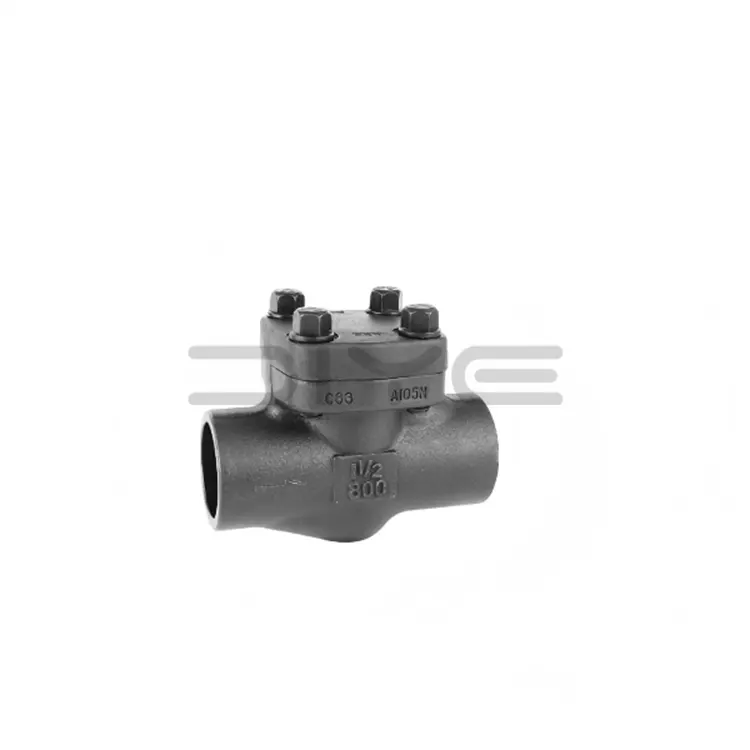
An H74 Single Disc Check Valve is an automatic non-return valve designed to allow fluid to travel in one direction while restricting reverse flow. It typically adopts a wafer-type connection, allowing the valve to be installed between two pipeline flanges without the need for a conventional long flanged valve body.
Its defining structural feature is a single movable disc positioned inside the valve body. When the upstream fluid pressure is sufficient to overcome the resistance acting on the disc, the disc opens and allows the medium to pass through. When forward flow decreases or reverse pressure develops, the disc returns toward the valve seat, helping prevent the medium from flowing backward.
Unlike manually operated valves, the H74 check valve does not require an operator to control its opening and closing. Its operation is determined by the pressure difference and flow conditions within the pipeline. Depending on the specific design, gravity, reverse pressure, and spring assistance may contribute to disc closure.
Basic Characteristics
For industrial buyers, these characteristics make the H74 a useful option when pipeline protection, compact installation, and straightforward operation are priorities.
2. How Does an H74 Single Disc Check Valve Work?
Understanding the working principle of a single-disc check valve helps engineers determine whether it is suitable for their pipeline conditions. The valve operates automatically through the interaction between fluid pressure, disc movement, and the sealing mechanism.
Step 1: Normal Forward Flow
When the pipeline is operating normally, the pressure on the inlet side becomes higher than the pressure on the outlet side. This pressure difference generates force on the disc, moving it away from the valve seat. The resulting opening allows the medium to flow through the valve.
Step 2: Disc Opening and Flow Regulation
As the forward flow increases, the disc moves toward its open position. The opening angle depends on the valve design, flow velocity, and operating conditions. A properly selected valve should provide sufficient flow capacity without creating an unacceptable pressure drop.
Step 3: Flow Reduction or Reversal
When the pump stops, the upstream pressure decreases, or the downstream pressure becomes higher, the force maintaining the disc in its open position is reduced. The disc then begins to return toward the seat under the influence of gravity, reverse pressure, or spring force, depending on the design.
Step 4: Automatic Closure
Once the disc contacts the valve seat, the flow passage is restricted and reverse flow is prevented or minimized. The quality of this sealing process depends on the contact surfaces, seat materials, closing characteristics, and actual operating conditions.
3. What Are the Main Structural Components?
The performance of an H74 Single Disc Check Valve depends on the coordination of several important components. Although specific designs may vary, the following parts are commonly found in single-disc wafer check valve constructions.
| Component | Main Function | Selection Consideration |
|---|---|---|
| Valve Body | Provides the main pressure-containing structure and supports internal components. | Pressure rating, corrosion resistance, and mechanical strength. |
| Valve Disc | Moves in response to fluid pressure to open and close the flow passage. | Material strength, wear resistance, and movement stability. |
| Valve Seat | Provides the contact surface for disc sealing. | Sealing material, surface finish, and medium compatibility. |
| Hinge or Pivot | Supports and guides disc movement in swing-type designs. | Mechanical strength, wear resistance, and reliable movement. |
| Spring (if equipped) | Assists the disc in returning toward the closed position. | Spring force and suitability for the operating pressure range. |
| Sealing Elements | Help prevent leakage at designated sealing interfaces. | Temperature resistance and chemical compatibility. |
Why Do Component Materials Matter?
Different industrial applications involve different fluid properties and operating environments. For example, ordinary water systems may require different material combinations from chemical processing pipelines or high-temperature industrial installations.
- Carbon steel: Commonly considered for general industrial applications where strength and cost efficiency are important.
- Stainless steel: Offers improved corrosion resistance for suitable water, chemical, and process applications.
- Duplex stainless steel: May be considered for demanding environments requiring a combination of strength and corrosion resistance.
- PTFE and other polymer sealing materials: Can be used where their chemical and temperature resistance properties match the operating medium.
- Metal-to-metal sealing: May be suitable for certain high-temperature or demanding service conditions, subject to the specified design.
Material selection should always be based on the actual medium, concentration, temperature, pressure, and expected service conditions rather than material names alone.
4. What Advantages Does the H74 Single Disc Check Valve Offer?
Choosing a suitable check valve can influence pipeline reliability, maintenance requirements, and installation costs. The H74 Single Disc Check Valve offers several practical benefits for compatible industrial applications.
4.1 Compact and Space-Saving Design
The wafer-type body has a relatively short face-to-face dimension compared with many conventional flanged valve designs. This makes it useful in equipment rooms, compact pipeline arrangements, and installations where available space is limited.
4.2 Automatic Backflow Prevention
The valve operates without continuous manual intervention. It responds to changes in fluid pressure and flow direction, helping protect pumps, compressors, and other pipeline equipment from reverse flow.
4.3 Relatively Simple Internal Structure
A single-disc design generally has fewer major moving elements than more complicated multi-disc arrangements. This can simplify inspection and servicing, although the actual maintenance requirements depend on the valve construction and service conditions.
4.4 Potentially Lower Installation Costs
The compact construction can reduce the amount of space required for installation. Depending on the pipeline layout, this may help simplify equipment arrangement and reduce certain installation expenses.
4.5 Flexible Material Options
Depending on the manufacturer's available configurations, the valve body, disc, and sealing components can be selected from different material combinations to accommodate different fluids and operating environments.
4.6 Reduced Risk of Equipment Damage
By restricting reverse flow, a correctly selected check valve can help reduce the risk of pump reverse rotation, pipeline backflow, and process interruptions. This contributes to more stable operation throughout the fluid transportation system.
5. Where Is the H74 Single Disc Check Valve Commonly Used?
The H74 Single Disc Check Valve can be considered for various industrial fluid transportation systems where automatic one-way flow control is required. Its suitability depends on the medium, pressure, temperature, and specific valve configuration.
5.1 Water Supply and Drainage Systems
Water supply and drainage pipelines often require check valves to prevent water from returning to pumps or flowing into the wrong section of a system. The H74 design can be used in compatible water transportation and circulation applications to help maintain the intended flow direction.
5.2 Industrial Circulating Water Systems
Manufacturing facilities frequently rely on circulating water for cooling, equipment operation, and production processes. Installing appropriate check valves helps prevent unwanted reverse flow when pumps stop or operating conditions change.
5.3 HVAC and Building Services
Heating, ventilation, and air conditioning systems use water circulation networks to distribute heating or cooling energy. Check valves can help maintain the required flow direction in pump assemblies, circulation loops, and associated pipeline equipment.
5.4 Chemical Processing
Chemical production facilities handle various process fluids with different levels of corrosiveness and operating temperatures. For these applications, the valve body, disc, and sealing materials must be carefully selected according to the chemical composition and process conditions.
5.5 Petroleum and General Industrial Applications
Oil transportation, industrial fluid handling, and auxiliary pipeline systems may also require automatic backflow protection. A suitable H74 configuration can provide one-way flow control in applications where its pressure, temperature, and material ratings meet the project requirements.
| Industry | Typical Application | Key Selection Priority |
|---|---|---|
| Water Treatment | Water supply and pump protection | Corrosion resistance and sealing |
| HVAC | Heating and cooling water circulation | Flow capacity and operating stability |
| Chemical Industry | Process fluid transportation | Chemical compatibility |
| Petroleum Industry | Oil pipeline systems | Pressure and temperature suitability |
| General Manufacturing | Industrial circulation pipelines | Durability and maintenance requirements |
6. How to Select the Right H74 Single Disc Check Valve?
Purchasing an industrial check valve involves more than simply matching the nominal diameter of an existing pipeline. Incorrect specifications may lead to insufficient flow capacity, premature wear, leakage, or installation difficulties.
Before placing an order, buyers and engineering teams should evaluate the following technical factors.
6.1 Confirm the Nominal Size
The nominal valve size should match the pipeline design and applicable connection requirements. Buyers should confirm DN or NPS dimensions, flange compatibility, face-to-face dimensions, and available installation clearance.
6.2 Check the Pressure Rating
The maximum working pressure must remain within the valve's rated operating limits at the actual service temperature. Pressure ratings should be checked against the manufacturer's pressure-temperature data rather than relying on nominal pressure alone.
6.3 Evaluate the Operating Temperature
Temperature affects the strength of valve materials, sealing performance, and component durability. Special attention should be given to high-temperature fluids, low-temperature environments, and applications involving significant temperature fluctuations.
6.4 Identify the Fluid Medium
Different media have different chemical and physical properties. Water, oil, gas, steam, and chemical solutions may require different material combinations and sealing structures.
6.5 Select an Appropriate Sealing Structure
Soft-seated and metal-seated configurations have different operating characteristics. Soft seals may provide suitable tightness for certain applications, while metal seats may be considered for selected high-temperature or demanding conditions. The final choice should be based on the required leakage performance and service environment.
6.6 Confirm Applicable Standards
Industrial valve projects may specify different design, manufacturing, connection, and testing standards. Depending on the project, relevant specifications may include API, ASME, EN, GB, or other applicable standards. Confirm the exact standard and edition required by the purchaser.
| Selection Factor | Questions to Confirm |
|---|---|
| Size | Does the valve match the pipeline nominal diameter and flange dimensions? |
| Pressure | Is the rated pressure suitable for normal and maximum operating conditions? |
| Temperature | Can the body and sealing materials withstand the operating temperature? |
| Medium | Are all wetted materials compatible with the fluid? |
| Connection | Is the wafer connection compatible with the existing pipeline flanges? |
| Installation | Does the selected design support the required installation orientation? |
| Testing | Can the manufacturer provide the required inspection and test documentation? |
Providing these details to the manufacturer before ordering helps reduce specification errors and makes it easier to identify a suitable product configuration.
7. How Should the Valve Be Installed Correctly?
Correct installation is essential for achieving reliable check valve performance. Even a well-manufactured valve may experience leakage, abnormal noise, or restricted flow if it is installed incorrectly.
The following procedures provide a general installation reference. Always follow the specific manufacturer's installation instructions and approved engineering drawings.
- Inspect the valve before installation. Check the body, disc, sealing surfaces, and connection areas for visible damage, contamination, or foreign materials.
- Clean the pipeline. Remove welding slag, rust, dirt, and other debris that could interfere with disc movement or damage the sealing surfaces.
- Verify the flow direction. Locate the directional arrow on the valve body and ensure that it matches the intended pipeline flow direction.
- Confirm installation orientation. Check whether the specific H74 model supports horizontal or vertical installation. Vertical installations must follow the manufacturer's permitted flow direction and design requirements.
- Align the pipeline flanges. Make sure the valve is correctly centered and that the pipeline does not impose excessive mechanical stress on the valve body.
- Install suitable gaskets and fasteners. Use compatible gaskets and bolts in accordance with the connection design and project specifications.
- Tighten the bolts evenly. Apply the specified tightening procedure to avoid uneven loading, flange distortion, or damage to the sealing surfaces.
- Conduct commissioning checks. Gradually introduce the medium, inspect for external leakage, and verify that the valve opens and closes as expected.
8. How to Maintain the Valve for Long-Term Performance?
Although the H74 Single Disc Check Valve is designed for automatic operation, periodic inspection is important for maintaining reliable performance. The inspection frequency should be determined by operating conditions, medium characteristics, system criticality, and the manufacturer's recommendations.
Routine Inspection
- Check for visible external leakage around the valve and flange connections.
- Monitor unusual vibration, noise, or pressure fluctuations in the pipeline.
- Observe whether the system experiences unexpected reverse flow.
- Check for signs of corrosion or damage on accessible valve surfaces.
- Review operating pressure and temperature records for abnormal changes.
Internal Inspection and Servicing
When maintenance is necessary, isolate the pipeline, release pressure safely, and drain the medium according to the facility's safety procedures. Qualified technicians should inspect the disc, pivot mechanism, valve seat, and sealing elements for wear, deposits, deformation, or corrosion.
Damaged components should be replaced with compatible parts approved for the specific valve model. After maintenance, the valve should undergo appropriate inspection and testing before being returned to service.
Maintenance Checklist
| Inspection Item | Potential Warning Sign | Recommended Action |
|---|---|---|
| Valve Disc | Wear, deformation, or restricted movement | Inspect and replace if necessary |
| Valve Seat | Scratches, deposits, or leakage | Clean or replace according to specifications |
| Pivot Mechanism | Sticking or abnormal movement | Inspect the mechanism and restore free movement |
| Sealing Elements | Cracking or deterioration | Replace with compatible materials |
| External Connections | Leakage or loose fasteners | Inspect and correct the connection |
9. Common Problems and Practical Troubleshooting Solutions
During long-term operation, check valves may encounter problems caused by improper selection, unsuitable installation, contaminated media, or changing pipeline conditions. Identifying the underlying cause is more effective than simply replacing the valve.
Problem 1: Reverse Flow Occurs After Pump Shutdown
Possible causes: The disc may not close properly, the valve seat may be damaged, or the closing characteristics may not suit the system's operating conditions.
Solutions: Inspect the disc and sealing surfaces, verify the installation direction, and evaluate whether the selected valve design provides appropriate closing performance.
Problem 2: Excessive Pressure Drop
Possible causes: The valve may be undersized, the disc may not open fully, or internal deposits may restrict the flow passage.
Solutions: Check the valve sizing calculations, inspect the internal flow passage, and verify whether the operating flow rate falls within the manufacturer's recommended range.
Problem 3: Unusual Noise or Vibration
Possible causes: Unstable flow, repeated disc movement, excessive flow velocity, or pressure fluctuations may cause abnormal noise and vibration.
Solutions: Evaluate pipeline flow conditions, check the valve sizing, and investigate possible water hammer or pump operating issues.
Problem 4: Internal Leakage
Possible causes: Worn sealing surfaces, foreign particles, corrosion, or incorrect installation may prevent the disc from seating properly.
Solutions: Isolate the system, inspect the sealing surfaces, remove deposits where appropriate, and replace damaged sealing components.
Problem 5: The Disc Does Not Move Freely
Possible causes: Foreign materials, corrosion, mechanical wear, or damage to the pivot mechanism may restrict movement.
Solutions: Arrange an internal inspection by qualified personnel and restore the mechanism according to the manufacturer's maintenance instructions.
10. Why Choose a Reliable Valve Manufacturer?
Product quality, manufacturing consistency, and technical support are important considerations when sourcing industrial valves. A suitable manufacturer should be able to provide more than a product quotation. Buyers also need reliable technical information, appropriate material options, quality inspection procedures, and assistance with project-specific requirements.
Wenzhou Diye Valve And Fittings Co.,Ltd. focuses on industrial valve and fitting solutions, providing customers with product information and technical support for different pipeline applications. When evaluating an H74 Single Disc Check Valve supplier, buyers should pay attention to the following factors.
Manufacturing and Quality Control
A reliable manufacturer should have established production and inspection procedures covering material verification, machining accuracy, assembly quality, and finished-product testing. These processes help maintain consistent product quality across different orders.
Material and Specification Options
Industrial projects often involve different pipeline sizes, pressure requirements, temperatures, and fluid characteristics. Manufacturers should be able to clarify available material combinations, connection dimensions, sealing structures, and applicable product standards.
Technical Documentation
Before purchasing, buyers should request the relevant technical datasheet, dimensional drawing, material information, pressure-temperature ratings, and inspection documentation. These records help engineering teams verify whether the valve meets project requirements.
Communication and After-Sales Support
Clear communication is particularly important for international procurement. A dependable supplier should be able to respond to technical questions, clarify order specifications, and provide appropriate assistance throughout the purchasing process.
For distributors, contractors, engineering companies, and industrial equipment buyers, working with a qualified manufacturer can help reduce sourcing risks and improve project coordination.
11. Frequently Asked Questions About H74 Single Disc Check Valves
Q1: What is the main function of an H74 Single Disc Check Valve?
Its main function is to allow fluid to flow in one direction while preventing or minimizing reverse flow. It operates automatically according to the pressure difference and flow conditions inside the pipeline.
Q2: Is the H74 Single Disc Check Valve an automatic valve?
Yes. It is an automatic non-return valve that does not require a manual operator or external actuator for normal opening and closing. Fluid pressure and the valve's closing mechanism control its operation.
Q3: What is the difference between an H74 and an H76 check valve?
The commonly used H74 configuration features a single movable disc, while the H76 wafer check valve generally uses a dual-disc design with spring-assisted closing. Their structures, flow characteristics, and installation requirements differ. Buyers should compare the specific manufacturer's drawings and technical data before selecting either type.
Q4: Can an H74 check valve be installed vertically?
Installation orientation depends on the specific valve construction. Some designs support horizontal and vertical installation, while others have more restrictive requirements. For vertical installation, confirm the permitted flow direction and whether the disc can close reliably under the available operating conditions.
Q5: What materials are available for H74 Single Disc Check Valves?
Depending on the manufacturer and model, common options may include carbon steel, stainless steel, duplex stainless steel, and other specialized alloys. Seat materials may include PTFE, reinforced PTFE, or metal sealing surfaces. The final material combination should match the operating medium and temperature.
Q6: Is the H74 Single Disc Check Valve suitable for high-temperature applications?
It may be suitable for certain high-temperature applications when the body, disc, seat, and sealing materials are specifically designed for those conditions. Always check the manufacturer's pressure-temperature ratings and material limitations before installation.
Q7: Does an H74 check valve require regular maintenance?
Yes. Although it operates automatically, periodic inspection is recommended. The disc, valve seat, pivot mechanism, and sealing components should be checked according to the operating environment and maintenance schedule.
Q8: Can an H74 Single Disc Check Valve completely eliminate water hammer?
No. A check valve helps control reverse flow, but it cannot guarantee the elimination of water hammer. Rapid flow changes, pump shutdown, and pipeline layout can still cause pressure surges. Additional surge-control equipment may be required in demanding systems.
Q9: What information should buyers provide when requesting a quotation?
Buyers should provide the nominal diameter, pressure rating, working temperature, medium, connection standard, preferred body and sealing materials, quantity, and any special project requirements. A pipeline drawing or existing valve datasheet can also help the manufacturer confirm compatibility.
Q10: How can buyers verify the quality of an H74 Single Disc Check Valve?
Buyers should review the manufacturer's technical documentation, material certificates where required, dimensional inspection records, pressure and sealing test reports, and compliance with the project specifications. Independent inspection can also be arranged when required by the purchasing contract.
12. Conclusion: Choosing the Right H74 Single Disc Check Valve for Your Pipeline
The H74 Single Disc Check Valve is a practical solution for industrial pipeline systems that require automatic one-way flow control and compact installation. Its single-disc construction, wafer-style connection, and automatic operating mechanism make it suitable for a range of applications involving water, oil, and other compatible industrial media.
However, selecting the right valve requires careful consideration of more than its model designation. Pressure rating, temperature range, fluid compatibility, sealing structure, connection dimensions, and installation orientation all influence its suitability and long-term performance.
For engineers, distributors, contractors, and industrial procurement professionals, obtaining accurate technical information before ordering is essential. Working with an experienced valve supplier also helps ensure that product specifications are aligned with actual project requirements.
Looking for a Reliable H74 Single Disc Check Valve Supplier?
Wenzhou Diye Valve And Fittings Co.,Ltd. is ready to assist with your industrial valve sourcing requirements. Whether you need product specifications, technical information, dimensional details, or a quotation for your next pipeline project, our team welcomes your inquiry.
Contact us today to discuss your application requirements and find a suitable valve solution for your project.