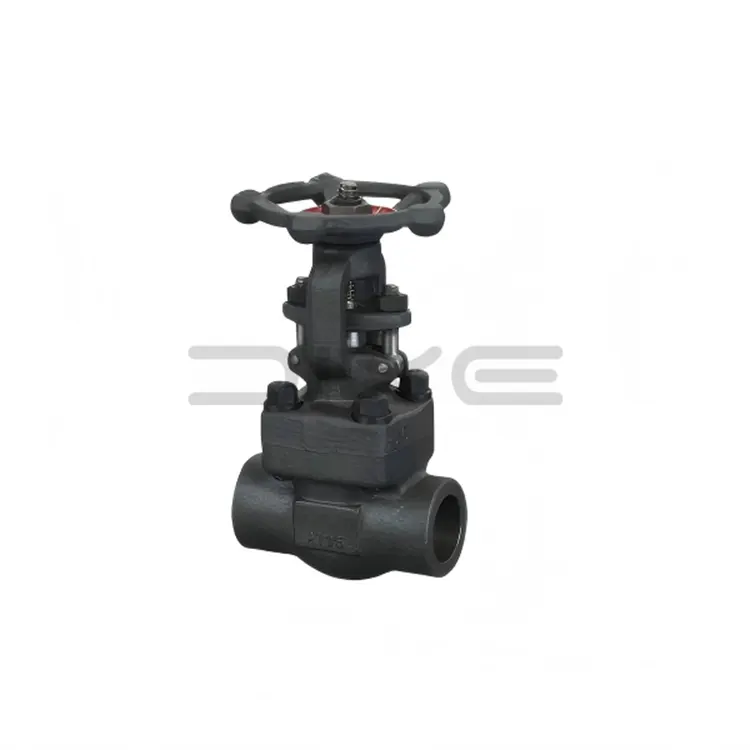
Can a Gate Valve Really Last 50 Years Without Leaking?
For plant managers, maintenance teams, and facility operators, a leaking Gate Valve is more than just a nuisance—it’s a costly problem that leads to wasted resources, unplanned downtime, safety hazards, and expensive repairs. The question on every industry professional’s mind is: can a Gate Valve truly stand the test of time, operating reliably for 50 years without a single leak? The answer lies in the quality of materials, precision manufacturing, strict testing standards, and adherence to international norms—factors that define reliable valve solutions like those from Wenzhou DIYE Valve and Fittings Co., Ltd. A well-engineered Gate Valve, built with the right materials and craftsmanship, doesn’t just prevent leaks in the short term; it delivers decades of consistent performance, eliminating the hassle of frequent replacements and repairs. This article explores why so many Gate Valves fail prematurely, what makes a long-lasting, leak-free Gate Valve possible, and how choosing the right valve solution can save time, money, and headaches for years to come—all backed by real-world expertise and proven quality standards.
Why Most Gate Valves Fail to Last—And Leak Prematurely
1.Poor Material Selection
The main reason gate valves leak early is bad materials. Cheap valves use low-grade metals that can't handle corrosive fluids, extreme temperatures, or high pressure. For example, low-grade steel rusts quickly when exposed to chemicals or saltwater, forming tiny cracks that eventually leak.
Another mistake is using the same material for every job. A valve for a chemical plant needs different material than one for a water supply. When the material doesn't match the working conditions, the seal breaks down fast. Choosing the right material for each application makes all the difference.
2. Lack of Strict Quality Testing
A gate valve can only last for decades without leaking if it has no hidden defects. But many manufacturers skip important tests. Small flaws—like uneven sealing surfaces or casting defects—go unnoticed. These tiny issues don't cause leaks right away, but they get worse over time.
Common shortcuts include skipping pressure tests or failing to check seals properly. A truly leak-free valve needs 100% testing before leaving the factory, including pressure tests, seal inspections, and material checks.
3. Poor Manufacturing Precision
A gate valve's seal depends on a tight fit between the gate and the valve seat. Even the smallest gap can cause a leak. Manufacturers without advanced equipment often produce valves with uneven surfaces or misaligned parts. These valves can never seal perfectly, leading to slow leaks that get worse over time.
Poor manufacturing also creates weak spots like thin walls or uneven casting. These weak points crack under pressure, causing sudden and costly leaks.
4. Ignoring Customization
Every application is different—fluid type, pressure, temperature, and connection method all matter. Using a generic, one-size-fits-all valve is a recipe for failure. A valve made for low-pressure water will fail quickly in a high-pressure industrial pipeline.
The wrong connection method (flange, threaded, or welded) can also leak at the joint. Many industrial setups need specialized valves with unique sizes or materials. When manufacturers can't provide custom options, operators are forced to use ill-fitting valves that leak and fail often.
What Makes a Gate Valve Last 50 Years Without Leaking?
High-Quality Materials: Tailored to the Application
The foundation of a leak-free, long-lasting Gate Valve is high-quality materials—selected specifically for the application’s needs. A Gate Valve that lasts 50 years must use materials that resist corrosion, wear, and extreme temperatures, ensuring the valve body and seal remain intact even after decades of use. Common materials for durable Gate Valves include WCB, 20GL, 304, 316, 321, 316TI, 904L, 2205, TA2, and NI6—each offering unique benefits for different conditions.
For example, 304 and 316 stainless steel are ideal for corrosive environments, while 904L is perfect for extreme chemical exposure. WCB and 20GL are excellent for high-pressure applications, providing the strength needed to withstand constant stress without cracking. Wenzhou DIYE Valve and Fittings Co., Ltd. offers this full range of materials, ensuring every Gate Valve is paired with the right material for its intended use—eliminating one of the biggest causes of premature leaks.
Strict Quality Testing: 100% Verification Before Shipment
A Gate Valve can only be trusted to last 50 years if it’s been rigorously tested to ensure it’s leak-free and durable. This means 100% testing before leaving the factory—no exceptions. Testing should include pressure tests (to verify the valve can handle its rated pressure without leaking), seal tests (to ensure Class A sealing performance), and material verification (to confirm the materials meet international standards).
Additionally, testing should simulate real-world conditions, including extreme temperatures, pressure fluctuations, and exposure to the intended fluid. This ensures the Gate Valve will perform reliably in the field, not just in a lab. Wenzhou DIYE Valve and Fittings Co., Ltd. adheres to this strict testing protocol, with every valve undergoing comprehensive inspections to meet international standards like API, GOST, ANSI, DIN, JIS, and GB—guaranteeing leak-free performance for decades.
Precision Manufacturing: Perfect Fit, Zero Gaps
Precision manufacturing is key to creating a Gate Valve with a tight, long-lasting seal. Advanced manufacturing equipment and skilled craftsmanship ensure every component—from the gate to the valve seat, stem, and body—is machined to exact specifications. This eliminates gaps, misalignments, and uneven surfaces that lead to leaks.
With production sites in Wenzhou City, Zhejiang Province, and Anqing City, Anhui Province, Wenzhou DIYE Valve and Fittings Co., Ltd. leverages advanced manufacturing technology to ensure consistent quality across every Gate Valve. From precision cutting to automated assembly, every step is controlled to ensure the valve’s components fit perfectly, creating a seal that won’t degrade over time. This level of precision is what allows a Gate Valve to operate leak-free for 50 years.
Customization: Valves Tailored to Your Exact Needs
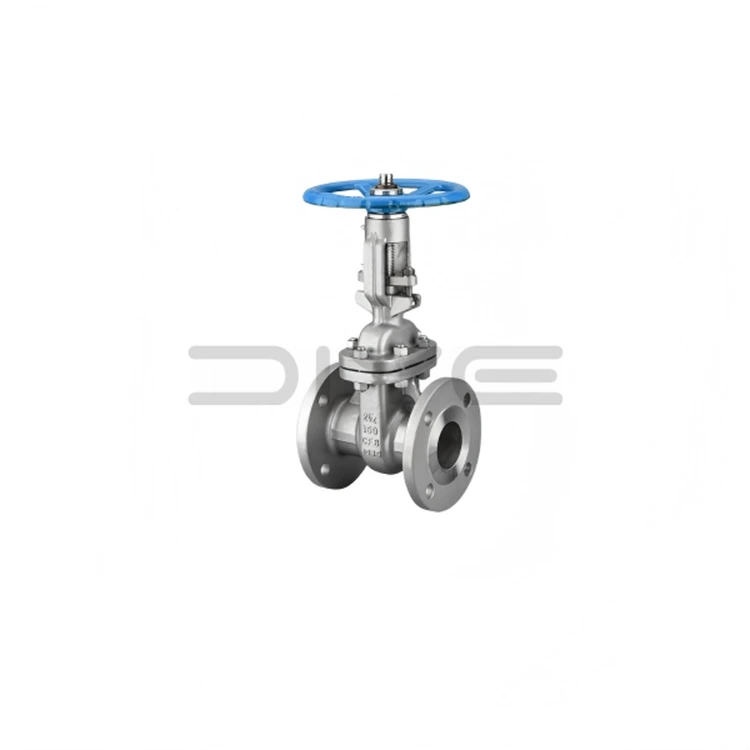
A Gate Valve that lasts 50 years must be designed for the specific application—not a generic one. This means offering a wide range of sizes, connection methods (flange, butt welding, threaded, quick-release, socket welding), and non-standard designs to fit unique requirements. Whether it’s a large industrial Gate Valve for a petrochemical plant or a small, specialized valve for a municipal water system, customization ensures the valve fits perfectly and performs reliably.
Wenzhou DIYE Valve and Fittings Co., Ltd. specializes in custom solutions, producing non-standard Gate Valves according to specific project needs. This means every valve is tailored to the application’s pressure, temperature, fluid type, and connection requirements—eliminating the risk of leaks caused by ill-fitting, generic valves.
Comparative Analysis: Leak-Prone vs. 50-Year Gate Valves
To clearly see the difference between a Gate Valve that leaks prematurely and one that lasts 50 years without leaking, the following table compares key factors—from materials to testing—highlighting what makes a durable, leak-free valve. This analysis is based on industry best practices and proven expertise in valve manufacturing:
| Key Factor | Leak-Prone Gate Valves | 50-Year Leak-Free Gate Valves | Real-World Impact |
| Material Selection | Cheap, low-grade materials; one-size-fits-all approach | High-quality materials (304, 316, 904L, etc.); tailored to application | Leak-prone: Corrosion and wear cause leaks in 5-10 years; 50-Year: Materials resist damage, ensuring long-term seal |
| Quality Testing | Skipped or minimal testing; no 100% verification | 100% testing before shipment; pressure, seal, and material checks; meets API/ANSI/DIN standards | Leak-prone: Hidden flaws lead to sudden leaks; 50-Year: No defects, consistent leak-free performance |
| Manufacturing Precision | Poor craftsmanship; uneven surfaces, misaligned components | Advanced manufacturing; exact specifications, perfect component fit | Leak-prone: Gaps cause slow leaks; 50-Year: Tight seal that doesn’t degrade over time |
| Customization | Generic, one-size-fits-all design; no non-standard options | Tailored sizes, connection methods, and non-standard designs | Leak-prone: Ill-fitting valves leak at joints; 50-Year: Perfect fit for application, no joint leaks |
| Seal Performance | Low-grade seals; inconsistent performance | Class A sealing performance; durable, wear-resistant seals | Leak-prone: Seals degrade quickly, causing leaks; 50-Year: Seals remain intact for decades |
| Warranty & Support | No or short warranty; minimal support | 12-month quality guarantee; comprehensive pre-sales and after-sales support | Leak-prone: No recourse for early failure; 50-Year: Peace of mind, support if issues arise |
Real-World Proof: Gate Valves That Have Lasted 50 Years
Case Example 1: Municipal Water Treatment Plant
A municipal water treatment plant in eastern China installed a batch of Gate Valves over 50 years ago—built with high-quality stainless steel and strict manufacturing standards. Today, these valves are still operating leak-free, controlling the flow of treated water to thousands of homes. The plant’s maintenance manager notes that the valves have required minimal repairs over the decades, with only routine inspections to ensure performance. The key to their longevity? High-quality materials that resist corrosion from chlorinated water, strict testing before installation, and a design tailored to the plant’s low-pressure, high-volume needs.
This is the same level of quality offered by Wenzhou DIYE Valve and Fittings Co., Ltd.—valves built to withstand the test of time, even in constant-use applications like water treatment.
Case Example 2: Industrial Chemical Facility
A chemical facility specializing in petrochemical processing installed Gate Valves made with 904L stainless steel (a corrosion-resistant material) over 45 years ago. These valves handle corrosive chemicals daily, operating under high pressure and extreme temperatures. Despite the harsh conditions, the valves have never leaked and remain in full operation today. The facility’s engineering team attributes their longevity to the valves’ precision manufacturing, custom design (tailored to the facility’s chemical and pressure requirements), and 100% factory testing.
This case proves that a well-engineered Gate Valve—built with the right materials, craftsmanship, and testing—can easily last 50 years or more without leaking, even in the most demanding industrial environments.
Key Things to Look for in a 50-Year Leak-Free Gate Valve
1. High-Quality, Application-Tailored Materials
When choosing a Gate Valve that will last 50 years, always prioritize materials that match your application. For corrosive environments, look for 304, 316, or 904L stainless steel. For high-pressure applications, WCB or 20GL are ideal. Avoid valves made from low-grade materials, as they will corrode and leak prematurely. Wenzhou DIYE Valve and Fittings Co., Ltd. offers a full range of high-quality materials, ensuring your Gate Valve is tailored to your specific needs.
2. 100% Factory Testing and International Certifications
Always choose a Gate Valve that undergoes 100% testing before shipment, including pressure tests, seal tests, and material verification. Additionally, look for valves that meet international standards like API, GOST, ANSI, DIN, JIS, and GB—these certifications prove the valve meets strict quality and performance benchmarks. Wenzhou DIYE Valve and Fittings Co., Ltd.’s entire product line holds these certifications, ensuring every Gate Valve is leak-free and durable.
3. Precision Manufacturing and Skilled Craftsmanship
A Gate Valve’s durability depends on its manufacturing precision. Look for manufacturers with advanced production facilities and a commitment to quality craftsmanship. With two production sites and a focus on precision machining, Wenzhou DIYE Valve and Fittings Co., Ltd. ensures every Gate Valve is built to exact specifications, with a tight seal that won’t degrade over time.
4. Customization Options for Unique Needs
Avoid generic Gate Valves—choose a manufacturer that offers customization, including a wide range of sizes, connection methods, and non-standard designs. This ensures the valve fits your application perfectly, eliminating the risk of leaks caused by ill-fitting components. Wenzhou DIYE Valve and Fittings Co., Ltd. specializes in custom solutions, producing non-standard Gate Valves to meet even the most specific project requirements.
5. Comprehensive Support and Warranty
A 50-year Gate Valve should come with a reliable warranty and comprehensive support. Look for a manufacturer that offers a quality guarantee (like the 12-month guarantee from Wenzhou DIYE Valve and Fittings Co., Ltd.) and pre-sales consultation, installation guidance, and lifetime maintenance support. This ensures you have peace of mind, knowing you’ll get help if any issues arise.
Debunking Common Myths About Long-Lasting Gate Valves
Myth 1: “A 50-Year Gate Valve Is Too Expensive”
While a high-quality Gate Valve may have a higher initial cost, it’s a long-term investment that saves money over time. A leak-prone valve requires frequent replacements, repairs, and downtime—costs that add up quickly. A 50-year Gate Valve eliminates these costs, paying for itself within a few years. For example, replacing a leaky valve every 5-10 years costs far more than investing in a single, durable Gate Valve that lasts 50 years.
Myth 2: “All Gate Valves Are the Same—Leaks Are Inevitable”
This couldn’t be further from the truth. The difference between a leak-prone Gate Valve and a 50-year leak-free one lies in materials, testing, and craftsmanship. Low-quality valves cut corners, leading to leaks, while high-quality valves—like those from Wenzhou DIYE Valve and Fittings Co., Ltd.—are built to last, with no shortcuts in quality. Leaks are not inevitable; they’re the result of poor design and manufacturing.
Myth 3: “Maintenance Is More Important Than Quality”
While routine maintenance is important, it can’t fix a poorly made Gate Valve. A valve built with inferior materials or poor craftsmanship will leak no matter how well you maintain it. A high-quality Gate Valve requires minimal maintenance—just routine inspections—to operate leak-free for 50 years. Maintenance complements quality, but it can’t replace it.
Conclusion
The answer to the question “Can a Gate Valve Really Last 50 Years Without Leaking?” is a definitive yes—if it’s built with high-quality materials, precision manufacturing, strict testing, and tailored to the application. A leak-free, long-lasting Gate Valve isn’t a myth; it’s a result of intentional design, quality craftsmanship, and adherence to international standards—qualities that define the valve solutions from Wenzhou DIYE Valve and Fittings Co., Ltd.
For plant managers, maintenance teams, and facility operators, investing in a high-quality Gate Valve isn’t just about preventing leaks—it’s about saving time, money, and headaches. A 50-year Gate Valve eliminates the hassle of frequent replacements, unplanned downtime, and costly repairs, allowing you to focus on what matters most: running your operations smoothly and efficiently.
Wenzhou DIYE Valve and Fittings Co., Ltd.—with its two production sites, wide range of high-quality materials, strict testing standards, and custom solutions—delivers Gate Valves that stand the test of time. By choosing a valve built to last, you’re not just making a purchase; you’re making a long-term investment in reliability, safety, and cost savings.
In an industry where leaks and downtime are costly, a 50-year leak-free Gate Valve is more than a luxury—it’s a necessity. With the right valve, you can avoid the frustration of premature leaks and enjoy decades of consistent, reliable performance. The question isn’t whether a Gate Valve can last 50 years without leaking—it’s whether you’re choosing the right one to do so.
Related News
- What Is a Forged Steel Gate Valve and How Does It Support Reliable Industrial Flow Control?
- Stainless Steel ANSI 150LB Flanged Y Strainer for Reliable Pipeline Filtration
- Stainless Steel Ball Valve Complete Testing Process | Standard Inspection & Quality Assurance
- Sanitary 3-Piece Butterfly Valve for Hygienic Fluid Control Systems
- Stainless Steel Grade Selection for Gate Valves
- Sanitary Union Check Valve Trends in Modern Hygienic Fluid Processing
Leave me a message